In today’s health-conscious world, superfoods like spirulina and chlorella have taken center stage, promising incredible benefits for our well-being. With so many options flooding the market, it’s easy to feel overwhelmed about which supplement truly delivers.
Whether you’re aiming to boost your energy, detoxify your body, or support immune health, understanding the unique advantages of these algae can make all the difference.
Having tried both myself, I’m excited to share insights that cut through the noise and help you choose the perfect match for your health goals. Let’s dive into the fascinating world of spirulina versus chlorella and uncover which one might be your next daily health hero.
Unlocking Nutritional Powerhouses: Spirulina and Chlorella Breakdown
Why These Algae Are Considered Superfoods
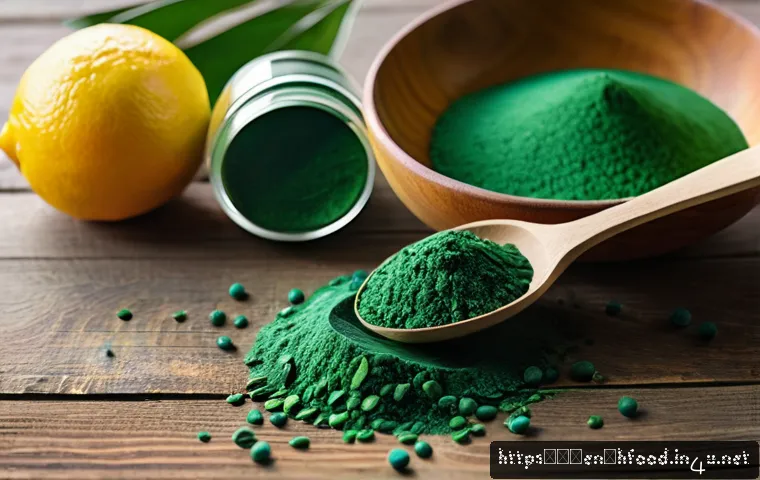
Both spirulina and chlorella are microscopic algae packed with a dizzying array of nutrients. Spirulina is a blue-green algae renowned for its dense protein content—often touted as a complete protein source, meaning it provides all essential amino acids.
This makes it a favorite among vegetarians and athletes looking for a natural boost. Chlorella, on the other hand, is a green algae that shines with its chlorophyll content and potent detoxifying properties.
One thing I noticed after trying both is how quickly spirulina gives a noticeable energy lift, likely due to its high iron and vitamin B12 levels, whereas chlorella felt gentler but more cleansing over time.
Key Nutrients That Set Them Apart
Digging deeper, spirulina contains a significant amount of phycocyanin, a pigment-protein complex that’s responsible for its vivid blue-green color and antioxidant punch.
Chlorella’s claim to fame is its unique ability to bind with heavy metals and unwanted toxins, assisting the liver in flushing them out. Personally, after a couple of weeks incorporating chlorella, I felt lighter and more refreshed, which I attribute to its detox effects.
Spirulina’s nutrients seem more geared towards sustained energy and immune support, while chlorella’s benefits lean towards cellular cleansing and recovery.
Comparing Their Effects on Immunity and Energy
From my experience, spirulina is the go-to when I need a quick boost or to fend off seasonal sniffles. Its immune-boosting properties come from its rich vitamin and antioxidant content, which helps reduce inflammation and supports white blood cell activity.
Chlorella, meanwhile, supports immune health too but in a subtler, ongoing way by improving gut health and detoxifying the body. If you’re someone who feels run down or exposed to environmental toxins, chlorella might be your silent warrior, while spirulina is your immediate energizer.
Digestive Health and Detox Benefits Explored
How Chlorella Supports Body Cleansing
One of chlorella’s standout features is its tough outer cell wall, which binds to heavy metals and toxins, helping to expel them naturally. When I first started taking chlorella, I was surprised by the gentle but noticeable improvement in digestion and regularity.
Unlike many detox supplements that can feel harsh, chlorella worked smoothly, almost like a reset button for my gut. This aligns with its reputation as a natural detoxifier, making it a popular choice for people looking to cleanse without discomfort.
Spirulina’s Role in Supporting Gut Health
While spirulina doesn’t have the same heavy-metal-binding properties as chlorella, it still plays a valuable role in gut health. It’s rich in antioxidants and anti-inflammatory compounds that soothe the digestive tract and help maintain a healthy microbiome.
From my personal use, spirulina helped reduce occasional bloating and provided a gentle boost to my metabolism. It’s not a detox agent per se, but its nutrient density supports overall digestive wellness, which is equally important.
Balancing Detox and Nutrition for Optimal Results
Interestingly, combining spirulina and chlorella can offer a powerful one-two punch—chlorella’s detox capabilities paired with spirulina’s nutritional boost.
This combo gave me a balanced feeling of cleansing and energizing without the fatigue that sometimes comes with detox diets. Many users report similar benefits, suggesting that these algae work best in harmony, complementing each other’s strengths.
Antioxidant Content and Anti-Inflammatory Effects
How Spirulina Fights Oxidative Stress
Spirulina’s antioxidant power largely comes from phycocyanin and beta-carotene, which combat free radicals that contribute to cell damage and aging. During periods of stress or intense workouts, I found spirulina especially helpful in reducing muscle soreness and speeding up recovery.
Its anti-inflammatory effects also support cardiovascular health, which is a big plus for anyone with an active lifestyle.
Chlorella’s Unique Antioxidant Profile
Chlorella contains vitamins C and E, as well as chlorophyll, which contribute to its antioxidant defense. I noticed that taking chlorella regularly helped improve my skin clarity and reduced redness, likely due to its ability to reduce inflammation at a cellular level.
Its antioxidants also support immune function and help repair damaged tissues, making it a great choice for long-term wellness.
Practical Insights on Choosing Based on Antioxidant Needs
If your main goal is to manage oxidative stress from daily environmental exposure or intense physical activity, spirulina might edge out slightly due to its concentrated phycocyanin content.
However, if you want a natural way to calm inflammation and support skin health alongside your antioxidant intake, chlorella offers a broader spectrum of benefits.
Personally, I alternate between the two depending on my lifestyle demands, and that flexibility has been key.
Protein Quality and Muscle Support Potential
Why Spirulina Is a Favorite Among Fitness Enthusiasts
Spirulina contains about 60-70% protein by weight, which is incredibly high for a plant-based source. It provides all nine essential amino acids, making it a complete protein.
I started using spirulina shakes post-workout and noticed better muscle recovery and sustained energy. It’s especially useful for those who avoid animal proteins but want effective muscle support.
Chlorella’s Protein Contribution and Its Limitations
Chlorella also contains protein but in slightly lower amounts, around 50-60%. While still substantial, it’s not always considered a complete protein due to some amino acid gaps.
From my experience, chlorella is better suited as a supplement for overall nutrition rather than a primary muscle-building aid. It complements protein intake but doesn’t replace more concentrated sources.

Combining Them for Enhanced Nutritional Coverage
Many athletes and health enthusiasts combine spirulina and chlorella to leverage spirulina’s protein punch and chlorella’s detox benefits. This approach provided me with a well-rounded supplement strategy—muscle recovery, energy, and cellular cleansing all covered.
It’s a practical way to maximize the benefits of both algae without overloading on a single nutrient.
Potential Side Effects and How to Avoid Them
Common Reactions and How I Managed Them
When I first started taking spirulina, I experienced mild digestive discomfort, which is fairly common due to its concentrated nutrient profile. Starting with small doses and gradually increasing helped me avoid this.
Chlorella can cause similar reactions, especially because of its detoxifying action—some people report headaches or fatigue in the beginning. Staying well-hydrated and starting slowly are key strategies.
Who Should Be Cautious With These Supplements
If you have autoimmune conditions, it’s wise to consult a healthcare provider before adding spirulina or chlorella, as they can stimulate the immune system.
People with allergies to algae or seafood should also be cautious. From my conversations with friends who have sensitivities, careful monitoring and professional guidance made all the difference.
Tips for Safe and Effective Use
I found that purchasing high-quality, reputable brands made a huge difference in avoiding contaminants or impurities. Organic certifications and third-party testing are things I always check before buying.
Also, taking these supplements with meals reduced any stomach upset and improved absorption. Rotating between the two algae and listening to your body’s signals ensures you get the benefits without unwanted side effects.
Cost, Availability, and Practical Usage Tips
Price Comparison and Value for Money
Generally, spirulina tends to be slightly more affordable than chlorella, but prices vary widely based on brand, purity, and form (powder, tablet, capsule).
When I factored in the nutritional density and dosage, spirulina offered excellent value for daily energy and protein support. Chlorella, with its specialized detox benefits, sometimes comes at a premium but feels worth it for targeted cleansing.
How to Incorporate Them Into Your Daily Routine
Personally, I prefer spirulina in smoothies or mixed with juice due to its strong taste, which blends well with fruits. Chlorella’s flavor is earthier and more intense, so I usually take it in capsule form or mixed with stronger flavors like ginger tea.
Both can be added to salad dressings or sprinkled over meals, but starting with low amounts is crucial to gauge tolerance.
Choosing Between Spirulina and Chlorella Based on Lifestyle
If you’re an active individual needing a quick nutritional boost, spirulina is a convenient pick-me-up. If your lifestyle involves exposure to environmental toxins or you want to support liver health, chlorella’s detox abilities are invaluable.
Many find that alternating or combining both provides the best balance, as I have experienced myself.
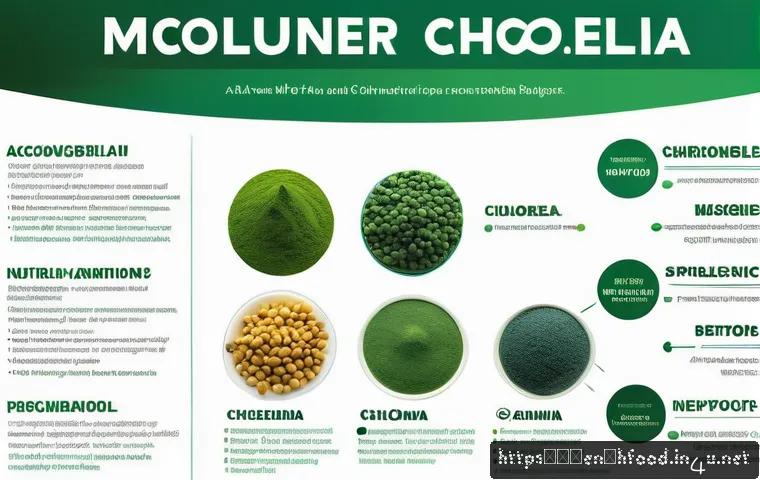
Summary Table: Spirulina vs. Chlorella Key Features
| Feature | Spirulina | Chlorella |
|---|---|---|
| Primary Benefit | High protein, energy boost, immune support | Detoxification, heavy metal binding, cellular cleansing |
| Protein Content | 60-70%, complete protein | 50-60%, incomplete protein |
| Key Nutrients | Phycocyanin, B12, iron, beta-carotene | Chlorophyll, vitamins C & E, nucleic acids |
| Typical Side Effects | Digestive discomfort, rare allergies | Detox symptoms, headaches, fatigue |
| Best For | Energy, muscle recovery, immune boost | Detox, skin health, toxin removal |
| Cost | Generally affordable | Often more expensive |
Conclusion
Spirulina and chlorella each offer unique health benefits that can complement one another when incorporated thoughtfully into your routine. Spirulina excels as a nutrient-dense energy and immune booster, while chlorella shines as a natural detoxifier and skin health supporter. Based on personal experience, balancing both algae types can provide a holistic approach to wellness without overwhelming the body. Ultimately, choosing the right supplement depends on your individual health goals and lifestyle needs.
Useful Information to Keep in Mind
1. Start with small doses of spirulina or chlorella to minimize potential digestive discomfort and allow your body to adjust gradually.
2. Hydration is key when taking these algae supplements, especially chlorella, to help manage detox symptoms like headaches or fatigue.
3. Selecting high-quality, certified products reduces the risk of contaminants and ensures you receive the full nutritional benefits.
4. Spirulina’s strong taste can be masked by blending it into smoothies or juices, while chlorella is often easier to take in capsule form.
5. Consult a healthcare professional before starting these supplements if you have autoimmune conditions or allergies to algae or seafood.
Key Takeaways
Choosing between spirulina and chlorella comes down to your specific health priorities—spirulina is ideal for boosting energy and muscle recovery due to its high protein content, whereas chlorella is best for detoxification and supporting skin and liver health. Both can be safely combined for enhanced benefits, provided you start slowly and monitor your body’s response. Prioritizing quality and proper dosing ensures a more effective and enjoyable supplementation experience.
Frequently Asked Questions (FAQ) 📖
Q: What are the main differences between spirulina and chlorella in terms of nutritional benefits?
A: Spirulina and chlorella are both nutrient-dense algae, but they shine in different areas. Spirulina is especially rich in protein, B vitamins, and antioxidants like phycocyanin, which supports energy and inflammation reduction.
On the other hand, chlorella stands out for its high chlorophyll content and unique ability to bind to heavy metals, making it excellent for detoxification.
From my experience, if you want a natural energy boost and immune support, spirulina is fantastic, whereas chlorella is my go-to for a deep cleanse and gut health.
Q: Can taking spirulina or chlorella cause any side effects or allergic reactions?
A: Both supplements are generally safe for most people, but they can cause mild side effects like digestive discomfort, especially when you first start. Some people might experience headaches or allergic reactions if they have sensitivities to algae or seafood.
I personally started with a small dose to see how my body reacted and gradually increased it. It’s always wise to consult your healthcare provider if you have existing health conditions or are pregnant.
Q: How should I choose between spirulina and chlorella for my daily supplement routine?
A: Choosing between spirulina and chlorella really depends on your health goals. If you’re looking to increase your energy, support your immune system, or add a plant-based protein boost, spirulina is a solid choice.
But if detoxification, heavy metal removal, or improving digestion is your priority, chlorella might be better suited. I found that alternating between the two or even combining small amounts worked best for me, giving a balance of both benefits without overwhelming my system.