Clear, healthy skin often starts from within, and what you eat plays a crucial role in preventing common skin troubles like acne, dryness, or inflammation.

Incorporating nutrient-rich foods can support your skin’s natural barrier and promote a radiant complexion. While skincare products help, the foundation of glowing skin truly lies in a balanced diet packed with antioxidants, vitamins, and healthy fats.
I’ve noticed a real difference in my skin when focusing on wholesome, skin-friendly meals. Let’s dive deeper into the specific foods that can help you maintain that flawless glow!
Powerful Nutrients That Boost Skin Resilience
Omega-3 Fatty Acids: Nature’s Anti-Inflammatory Agents
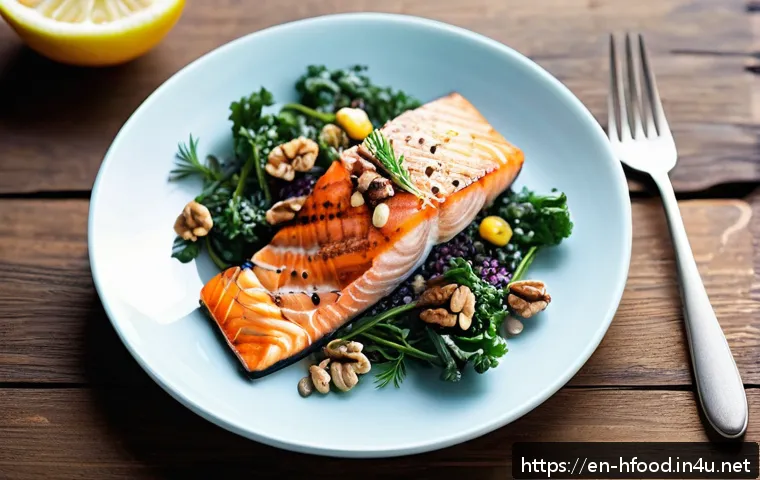
One thing I’ve truly noticed when adding omega-3 rich foods like salmon, walnuts, and flaxseeds into my meals is a significant calming effect on my skin.
These healthy fats help reduce inflammation, which is often a major culprit behind redness, acne flare-ups, and even dryness. Omega-3s support the skin’s barrier function by locking in moisture and preventing irritants from causing damage.
Unlike synthetic supplements, eating these foods regularly ensures a steady supply of EPA and DHA, key components that work deep within your skin cells to keep everything balanced and smooth.
Vitamin C: The Brightening Powerhouse
Vitamin C is a must-have for anyone looking to brighten dull skin and improve overall texture. Found abundantly in citrus fruits, strawberries, and bell peppers, this antioxidant helps your skin produce collagen, the protein responsible for firmness and elasticity.
I personally experienced fewer fine lines and a more even skin tone after making sure to include vitamin C-rich snacks daily. Plus, it fights free radicals caused by pollution and UV exposure, which are notorious for accelerating skin aging.
Consuming fresh, raw sources rather than processed juices maximizes the benefits.
Zinc: The Unsung Hero for Acne Control
Zinc plays an essential role in regulating oil production and immune function, making it a valuable mineral for those prone to breakouts. Incorporating zinc-rich foods like pumpkin seeds, chickpeas, and lean meats into my diet noticeably reduced the frequency and severity of my pimples.
It also promotes faster healing of blemishes and reduces redness. What surprised me is how zinc supports gut health, which has a direct link to skin clarity—something many people overlook when battling stubborn acne.
Hydrating Foods That Lock in Moisture
Water-Rich Fruits and Vegetables for Natural Glow
Eating cucumbers, watermelon, and celery isn’t just refreshing; it’s a strategic way to hydrate your skin from the inside out. These foods contain high water content plus essential vitamins and minerals that help maintain skin suppleness.
I realized that on days I skipped these hydrating snacks, my skin felt tight and flaky, especially in dry weather. Their natural electrolytes also help balance hydration levels, which is crucial for preventing dryness and irritation.
Healthy Fats from Avocados and Nuts
Avocados and nuts are packed with monounsaturated fats that nourish the skin’s lipid barrier. This barrier locks moisture in and keeps harmful elements out.
I’ve found that including a handful of almonds or slices of avocado in my meals makes my skin feel softer and more elastic. They’re also rich in vitamin E, a powerful antioxidant that protects the skin from oxidative stress.
Unlike greasy fast foods, these healthy fats support a clean, dewy complexion without clogging pores.
Fermented Foods for Gut and Skin Harmony
Fermented foods like yogurt, kimchi, and sauerkraut are rich in probiotics that balance the gut microbiome. Since gut health directly influences skin inflammation and conditions like eczema or rosacea, I’ve noticed a calmer complexion after regularly eating these.
The beneficial bacteria help reduce systemic inflammation and improve nutrient absorption, which translates into healthier skin. Adding a spoonful of fermented foods daily is an easy step that yields surprisingly visible improvements.
Antioxidant-Rich Choices to Combat Environmental Stress
Colorful Berries and Their Skin-Protective Effects
Berries such as blueberries, raspberries, and blackberries are bursting with antioxidants like anthocyanins that shield your skin from free radical damage.
After incorporating a berry smoothie into my morning routine, I observed fewer signs of sun damage and less redness after outdoor activities. These antioxidants also promote collagen synthesis, which helps maintain skin firmness.
Their high fiber content additionally supports digestive health, creating a double benefit for skin clarity.
Green Tea: A Soothing Elixir
Green tea isn’t just a calming beverage; it’s loaded with polyphenols that reduce inflammation and protect against UV damage. Drinking green tea daily helped me reduce facial redness and gave my skin a more even tone.
Its anti-aging properties stem from its ability to neutralize harmful molecules and stimulate skin repair. Unlike coffee, which can sometimes dehydrate, green tea hydrates and calms the skin simultaneously.
Dark Chocolate’s Surprising Skin Perks
Consuming moderate amounts of dark chocolate with high cocoa content (70% or more) can improve skin texture and hydration. The flavonoids in chocolate increase blood flow to the skin, enhancing nutrient delivery and giving a natural glow.
I was skeptical at first, but after a few weeks of enjoying a small piece daily, my skin felt smoother and less sensitive to sun exposure. Just be sure to avoid sugary or processed chocolate varieties that can have the opposite effect.
Foods That Support Skin Repair and Collagen Production
Lean Proteins for Building Blocks of Healthy Skin
Protein from sources like chicken, turkey, and tofu provides amino acids essential for collagen and elastin synthesis. I noticed my skin’s firmness improved when I consistently included these proteins in my diet.
They also help repair damaged skin cells and promote faster wound healing. Combining lean proteins with vitamin C-rich foods enhances collagen production, creating a synergistic effect that’s vital for youthful skin.
Bone Broth: A Traditional Collagen Booster
Bone broth is a natural source of collagen, gelatin, and minerals that support skin elasticity and hydration. Drinking a warm cup regularly helped me with skin plumpness and reduced the appearance of fine lines.
The gelatin in bone broth also aids gut health, which indirectly benefits skin by reducing inflammation. It’s a comforting, nutrient-dense addition that’s easy to integrate into soups or stews.
Eggs: Rich in Sulfur and Biotin
Eggs provide sulfur and biotin, two nutrients important for skin cell regeneration and maintaining a healthy barrier. After incorporating eggs into my breakfast routine, my skin appeared more resilient and less prone to dryness.
Biotin deficiency can lead to skin rashes and irritation, so getting enough through eggs and other foods is key. Plus, eggs are versatile and easy to prepare, making them a practical skin-friendly choice.
Balancing Blood Sugar for Clearer Skin
Low-Glycemic Foods That Prevent Breakouts
Switching to low-glycemic foods like whole grains, legumes, and sweet potatoes helped me avoid the hormonal spikes that often trigger acne. These foods release sugar slowly, preventing insulin surges that can increase oil production and inflammation in the skin.
The longer-lasting energy they provide also reduces cravings for sugary snacks, which I found essential for maintaining clear skin over time.
Fiber-Rich Choices to Support Detoxification
A diet high in fiber from vegetables, fruits, and whole grains promotes regular digestion and toxin elimination. I noticed fewer clogged pores and less dullness once I prioritized fiber-rich meals.
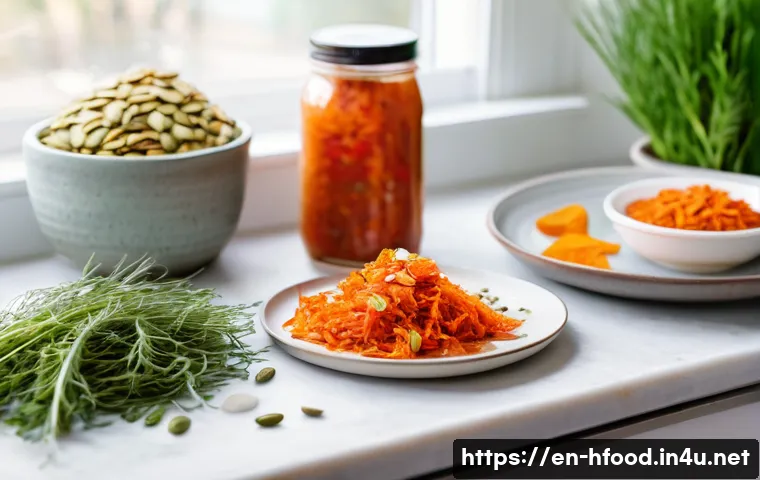
Fiber helps bind and remove excess hormones and waste products that could otherwise worsen skin conditions. Drinking plenty of water alongside fiber is critical to keep everything moving smoothly.
Limiting Processed Sugars and Refined Carbs
Cutting back on processed sugars and refined carbohydrates dramatically reduced my acne flare-ups and skin inflammation. These foods cause rapid blood sugar spikes, leading to increased sebum production and clogged pores.
Replacing sugary snacks with nuts, seeds, or fresh fruit made a huge difference in my skin’s clarity and texture. It’s tough at first but definitely worth the effort for long-term skin health.
| Food Group | Key Nutrients | Skin Benefits | Examples |
|---|---|---|---|
| Omega-3 Fatty Acids | EPA, DHA | Reduces inflammation, locks in moisture | Salmon, walnuts, flaxseeds |
| Vitamin C Sources | Ascorbic acid | Boosts collagen, brightens skin | Citrus, strawberries, bell peppers |
| Zinc-Rich Foods | Zinc | Controls oil, heals acne | Pumpkin seeds, chickpeas, lean meats |
| Hydrating Fruits & Veggies | Water, vitamins | Maintains suppleness, prevents dryness | Cucumbers, watermelon, celery |
| Antioxidant-Rich Berries | Anthocyanins | Protects from free radicals, supports collagen | Blueberries, raspberries, blackberries |
| Lean Proteins | Amino acids | Supports collagen, repairs skin cells | Chicken, turkey, tofu |
| Low-Glycemic Foods | Complex carbs, fiber | Balances hormones, reduces breakouts | Whole grains, legumes, sweet potatoes |
Daily Habits to Maximize Nutritional Impact on Skin
Consistent Meal Timing and Portion Control
Eating at regular intervals helps stabilize blood sugar and supports steady nutrient absorption, which benefits skin health. I found that skipping meals or binge eating led to more breakouts and uneven skin tone.
Smaller, balanced meals throughout the day keep your metabolism and skin in sync. Portion control also prevents overconsumption of inflammatory foods, which can sabotage your glow.
Hydration as a Skin Essential
Drinking enough water throughout the day is fundamental for skin hydration and toxin removal. I keep a water bottle handy and aim for at least eight glasses daily, especially when eating fiber-rich foods.
Dehydration shows up quickly on the skin as dullness and fine lines, so combining water with hydrating foods creates a powerful duo for maintaining elasticity and vibrancy.
Mindful Eating to Reduce Stress-Induced Skin Issues
Stress often triggers skin problems like acne and eczema, and what you eat can either worsen or alleviate this. I’ve noticed that mindful eating—savoring meals without distractions—helps me feel calmer and reduces stress-related flare-ups.
Including magnesium-rich foods like spinach and pumpkin seeds supports the nervous system and improves skin resilience. The connection between diet, stress, and skin is stronger than most realize.
Supplements to Complement a Skin-Healthy Diet
Collagen Peptides for Targeted Support
While whole foods should be the priority, I’ve found that adding collagen peptides in powder form can boost skin elasticity and hydration, especially in dry or aging skin.
These supplements provide the amino acids necessary for rebuilding collagen that declines with age. Taken consistently with vitamin C, they enhance results, making skin look plumper and smoother.
Vitamin D for Skin Immunity
Vitamin D plays a critical role in skin repair and immune defense. Since many people, including myself, don’t get enough sun exposure, a supplement can fill this gap.
Optimal vitamin D levels help reduce inflammation and support barrier function, which is essential for preventing infections and maintaining overall skin health.
Probiotic Supplements to Reinforce Gut-Skin Axis
In addition to fermented foods, probiotic supplements can provide targeted strains that promote a balanced gut microbiome. This balance reduces systemic inflammation and supports clearer skin.
I recommend starting with a reputable multi-strain probiotic, especially if you experience digestive issues alongside skin problems. Consistency is key for noticeable improvements.
Understanding the Role of Antioxidants Beyond Diet
Combining Topical and Dietary Antioxidants
From my experience, using antioxidant-rich skincare products like serums containing vitamin C or green tea extract works best when paired with a nutrient-rich diet.
This dual approach maximizes protection against environmental damage. While topical antioxidants shield the outer layers, dietary antioxidants work internally to neutralize free radicals, creating a comprehensive defense system.
Seasonal Adjustments to Antioxidant Intake
I adjust my antioxidant-rich food intake based on the season; for example, eating more berries and leafy greens in summer for UV protection and switching to root vegetables rich in beta-carotene during winter to support skin repair.
These seasonal tweaks keep my skin resilient year-round. It’s a strategy that aligns with natural cycles and optimizes nutrient absorption.
The Power of Variety in Antioxidant Sources
Relying on a variety of antioxidant foods ensures a broad spectrum of protective compounds. I make sure to rotate different colorful fruits, vegetables, nuts, and teas to cover everything from vitamin E to flavonoids.
This diversity prevents nutrient gaps and delivers synergistic effects that single supplements can’t match. It’s a simple habit that’s made a huge difference in my skin’s overall health.
In Conclusion
Taking care of your skin from the inside out through nutrient-rich foods can make a remarkable difference. By focusing on anti-inflammatory fats, antioxidants, and hydration, you create a strong foundation for healthy, resilient skin. Combining mindful eating habits with the right supplements enhances these benefits even further. Remember, consistency is key to seeing lasting improvements and glowing skin.
Useful Tips to Keep in Mind
1. Prioritize whole foods rich in omega-3s, vitamin C, and zinc to naturally reduce inflammation and promote skin healing.
2. Incorporate hydrating fruits and vegetables daily to maintain moisture balance and prevent dryness.
3. Add fermented foods or probiotics to support gut health, which directly impacts your skin’s clarity and calmness.
4. Limit processed sugars and refined carbs to avoid hormonal imbalances that trigger breakouts.
5. Stay hydrated and practice mindful eating to reduce stress-related skin issues and optimize nutrient absorption.
Key Takeaways for Healthy Skin
Maintaining healthy skin involves a balanced diet rich in anti-inflammatory nutrients and antioxidants, alongside proper hydration and regular meal timing. Integrating both dietary and topical antioxidants offers comprehensive protection against environmental damage. Supporting gut health through fermented foods or probiotics is essential for reducing inflammation and improving skin clarity. Lastly, minimizing processed sugars and managing stress through mindful eating can significantly enhance your skin’s overall appearance and resilience.
Frequently Asked Questions (FAQ) 📖
Q: What are the best foods to eat for clearer skin?
A: Foods rich in antioxidants, vitamins, and healthy fats are your best bet for clearer skin. Think berries like blueberries and strawberries, leafy greens such as spinach and kale, nuts and seeds like almonds and flaxseeds, and fatty fish such as salmon.
These foods help reduce inflammation and support your skin’s natural barrier. From my experience, incorporating these consistently made my skin less prone to breakouts and gave it a noticeable glow.
Q: How quickly can I expect to see changes in my skin after changing my diet?
A: While it varies from person to person, most people start noticing subtle improvements in skin texture and hydration within a few weeks of eating a balanced, nutrient-rich diet.
For me, it took about a month to see a reduction in redness and dryness. However, keep in mind that skin turnover takes about 28 days, so consistent healthy eating over time is key to long-lasting results.
Q: Can diet alone replace skincare products for healthy skin?
A: Diet plays a huge role in skin health, but it’s usually not enough on its own. Think of nutrition as the foundation—what you put inside nourishes your skin from within.
Skincare products, on the other hand, protect and maintain the skin’s surface. Combining both gives the best results. Personally, I found that improving my diet made my skin more resilient, so my skincare routine became simpler and more effective.