Avocados have surged in popularity, and for good reason—they’re packed with nutrients that support heart health, improve digestion, and even boost skin vitality.
Beyond their creamy texture and rich flavor, they offer a versatile ingredient that fits effortlessly into countless dishes. Whether you’re blending them into smoothies or spreading them on toast, avocados bring both taste and wellness benefits to the table.
Many people have discovered how easy it is to incorporate this superfood into daily meals without sacrificing flavor. Curious about how exactly avocados can enhance your health and how to use them creatively?
Let’s dive into the details and explore all the ways avocados can make a difference!
Unlocking the Nutritional Power of Avocados
Heart-Friendly Fats That Actually Help
Avocados are loaded with monounsaturated fats, primarily oleic acid, which has been shown to reduce bad cholesterol levels and lower the risk of heart disease.
I’ve noticed personally that including avocado in my diet makes me feel more energetic, and it’s comforting to know these fats support a healthy cardiovascular system.
Unlike saturated fats that can clog arteries, these “good” fats help keep blood vessels flexible and reduce inflammation, which is crucial for long-term heart health.
It’s a win-win when something tastes great and benefits your heart simultaneously.
Fiber: The Unsung Hero for Digestion
One thing I didn’t expect about avocados was their impressive fiber content. Each avocado provides around 10 grams of fiber, which supports smooth digestion and keeps you feeling full longer.
From my experience, adding avocado to meals helped ease occasional bloating and promoted regularity without harsh side effects. This fiber also helps stabilize blood sugar levels, which is essential for managing cravings and maintaining consistent energy throughout the day.
Essential Vitamins and Minerals for Overall Wellness
Avocados are a treasure trove of nutrients beyond fats and fiber. They contain potassium, more than bananas in fact, which helps regulate blood pressure and muscle function.
Vitamins like E, K, and several B vitamins support skin health, immune function, and energy metabolism. Whenever I eat avocados regularly, my skin feels more hydrated and vibrant, and I notice fewer fatigue slumps during busy days.
It’s amazing how such a small fruit packs such a nutritional punch.
Creative Ways to Make Avocados a Daily Habit
Breakfast Boosters: From Toast to Smoothies
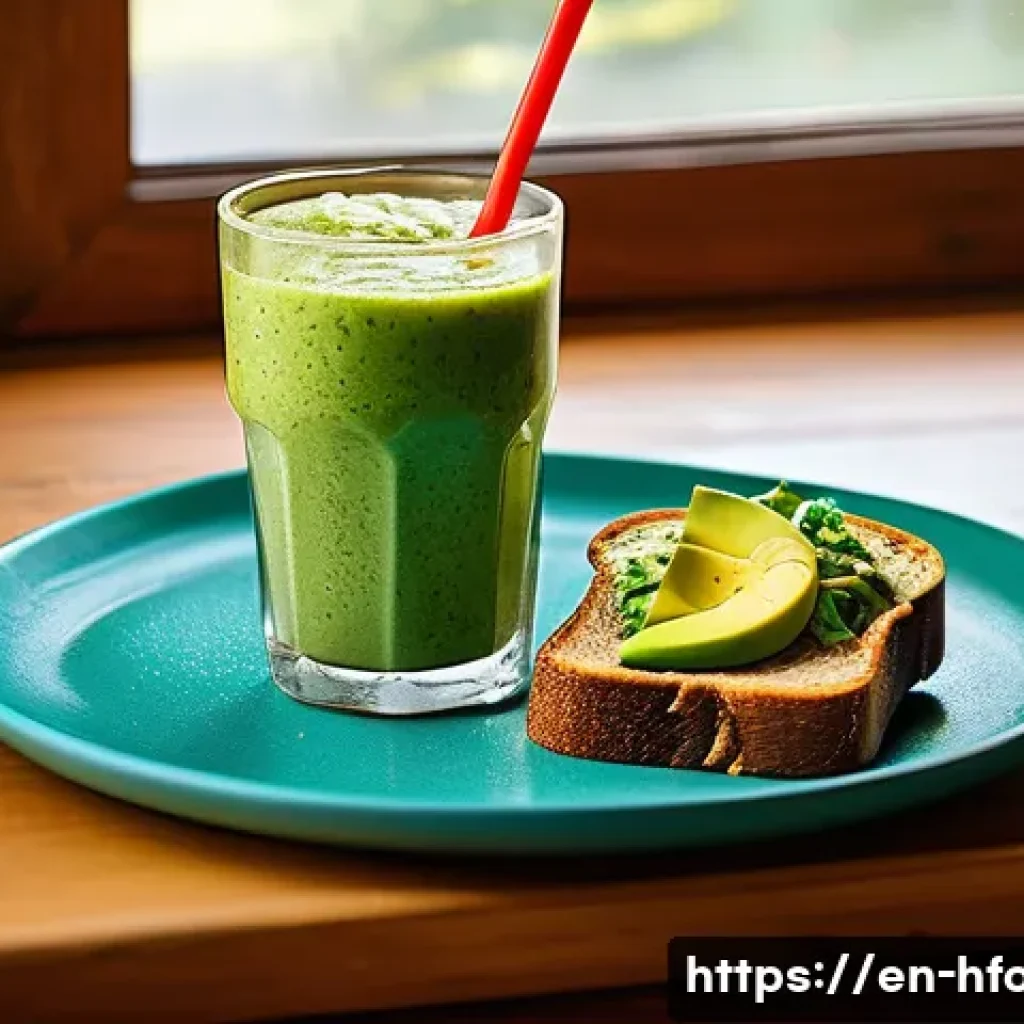
Starting the day with avocado is easier than you think. Spreading mashed avocado on whole-grain toast with a sprinkle of chili flakes and a squeeze of lemon is a simple yet delicious way to add healthy fats and fiber to your morning.
I often blend avocado into my smoothies to create a creamy texture that doesn’t overpower the fruit flavors but adds richness and satiety. This small swap has kept me full until lunch without feeling heavy or sluggish.
Lunch and Dinner: Beyond Guacamole
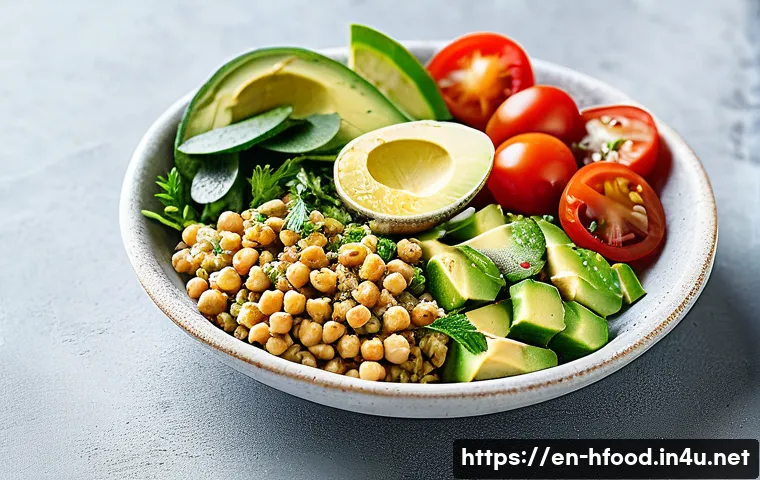
Avocado’s versatility shines in lunch and dinner dishes. I’ve experimented with adding diced avocado to salads, grain bowls, and even tacos. It balances spicy or tangy flavors beautifully and adds a satisfying creaminess.
One of my favorite discoveries was incorporating avocado into pasta dishes as a creamy sauce alternative, which cuts down on dairy and ups the nutrient content.
It’s a simple trick that’s impressed my friends and family alike.
Snack and Dip Ideas That Actually Satisfy
If you’re like me and often reach for unhealthy snacks, avocado-based dips can be a game-changer. Guacamole is the classic, but you can also whip up avocado hummus or blend avocado with Greek yogurt and herbs for a protein-packed dip.
These options have become my go-to for afternoon cravings because they’re nutritious, flavorful, and keep me from mindlessly munching on chips or sweets.
How Avocados Support Skin and Beauty Naturally
Hydration and Antioxidants for Radiant Skin
Avocados contain vitamin E and antioxidants that fight free radicals, which are responsible for premature aging and skin damage. I’ve noticed that eating avocado regularly seems to give my skin a natural glow and helps reduce redness and dryness.
The healthy fats in avocados also nourish skin cells from within, making it feel softer and more supple. It’s like a beauty treatment you get simply by enjoying your meals.
DIY Avocado Masks for Instant Moisture
Using avocado topically is a simple, natural way to hydrate your skin. I’ve made masks by mashing avocado with honey or yogurt and applying it for about 15 minutes.
The result? Noticeably smoother skin and a reduction in irritation. It’s an easy home remedy for dry or sensitive skin, especially during colder months when hydration is key.
Plus, it’s affordable and chemical-free, which makes it a favorite in my self-care routine.
Hair Nourishment from Root to Tip
Avocado isn’t just great for skin — it’s fantastic for hair too. The oils help moisturize dry scalp and strengthen hair strands, reducing breakage. I’ve mixed avocado with coconut oil to create a deep conditioning treatment that leaves my hair shiny and soft without weighing it down.
For anyone struggling with brittle or dull hair, incorporating avocado into hair care can be a natural and effective solution.
Understanding Avocado Varieties and Their Best Uses
Hass vs. Other Types: Taste and Texture Differences
The Hass avocado is the most popular variety and for good reason: its creamy, buttery texture and rich flavor are unmatched. I find that Hass works best for spreads and dips because it blends smoothly.
Other varieties like Fuerte or Bacon are less creamy and slightly milder, which can be better suited for slicing in salads or sandwiches. Knowing these subtle differences has helped me tailor recipes to highlight avocado’s best qualities.
Seasonality and Freshness Tips
Avocados have a peak season, but thanks to global supply chains, they’re available year-round. Still, buying avocados in season (spring and summer in the U.S.) ensures better taste and value.

When shopping, I look for slightly soft avocados without dark spots or bruises. Ripening them at home by storing at room temperature and then refrigerating once ripe has saved me from waste and disappointment more than once.
Storage and Preparation Hacks
To avoid browning after cutting, I’ve found that brushing avocado halves with lemon or lime juice works wonders. Storing avocado with the pit inside also slows oxidation.
If you have leftover mashed avocado, wrapping it tightly in plastic wrap or storing it in an airtight container with a bit of onion nearby can keep it fresher for longer.
These small tricks have helped me minimize waste and enjoy avocado at its best.
Balancing Calories and Incorporating Avocado Mindfully
Calorie Content and Portion Control
Avocados are calorie-dense due to their fat content, with about 250 calories per medium fruit. While these are healthy fats, it’s important to enjoy them in moderation if you’re mindful of calorie intake.
Personally, I stick to about a quarter to half an avocado per serving, which gives me the benefits without going overboard. This approach has helped me maintain a balanced diet while still enjoying the creamy richness.
Pairing Avocados with Other Nutrient-Dense Foods
Combining avocado with protein sources like eggs, chicken, or beans creates balanced meals that keep me full longer and support muscle health. Adding avocado to fiber-rich foods like quinoa or leafy greens enhances nutrient absorption and digestion.
I’ve found that thoughtful pairing not only elevates flavor but also amplifies the overall health impact of my meals.
Avocado in Weight Management Strategies
Because of their satiating properties, avocados can be a helpful tool in weight management. Including avocado in meals reduces hunger and prevents overeating later.
From my own experience, having avocado for lunch helped me avoid the mid-afternoon snack cravings that often derail healthy eating plans. It’s a natural way to feel satisfied and energized without relying on processed foods.
Breaking Down the Nutritional Highlights
| Nutrient | Amount (per 100g) | Health Benefit |
|---|---|---|
| Monounsaturated Fats | 15g | Supports heart health and reduces inflammation |
| Dietary Fiber | 7g | Improves digestion and stabilizes blood sugar |
| Potassium | 485mg | Regulates blood pressure and muscle function |
| Vitamin E | 2.1mg | Protects skin and acts as an antioxidant |
| Vitamin K | 21mcg | Supports blood clotting and bone health |
| Folate | 81mcg | Essential for DNA synthesis and cell repair |
Incorporating Avocado Into Different Culinary Traditions
Mexican-Inspired Dishes Beyond Guacamole
While guacamole is the classic way to enjoy avocado, I’ve explored other Mexican dishes where avocado adds a creamy balance. For example, adding sliced avocado to enchiladas or tostadas elevates both texture and nutrition.
It’s also fantastic in salsas, where it mellows heat and provides richness without overwhelming the other ingredients.
Avocado in Mediterranean and Middle Eastern Cuisine
Avocado pairs wonderfully with Mediterranean flavors like lemon, garlic, and olive oil. I’ve enjoyed avocado smashed into hummus or used as a topping on falafel wraps, which adds a fresh, creamy twist.
The subtle flavor of avocado complements the herbs and spices typical in these cuisines, making meals both satisfying and heart-healthy.
Global Fusion: Avocado in Unexpected Places
One of my favorite ways to enjoy avocado is in fusion dishes. Think avocado sushi rolls, avocado toast with Asian-inspired toppings like sesame seeds and soy sauce, or even avocado in curries for a creamy texture.
These creative uses highlight avocado’s versatility and show how easily it adapts to a wide range of tastes and cooking styles.
Conclusion
Avocados are truly a nutritional powerhouse that can easily fit into any diet. Their heart-healthy fats, fiber, and essential vitamins make them a smart choice for overall wellness. Whether enjoyed in meals or as natural beauty treatments, avocados offer benefits that go beyond taste. Incorporating them thoughtfully can enhance both health and culinary experiences.
Useful Information to Keep in Mind
1. Avocados contain mostly monounsaturated fats which support heart health and reduce inflammation, making them a great alternative to saturated fats.
2. The high fiber content in avocados aids digestion and helps maintain stable blood sugar levels, which can curb cravings and support weight management.
3. Rich in potassium and vitamins like E and K, avocados contribute to blood pressure regulation, skin health, and immune function.
4. Different avocado varieties vary in texture and flavor, so choosing the right type can improve your recipes and eating experience.
5. Simple storage tips like using lemon juice or keeping the pit in can preserve freshness and reduce waste when preparing avocados.
Key Takeaways
Avocados offer multiple health benefits but are calorie-dense, so portion control is important for balanced eating. Their versatility allows them to complement a wide range of dishes across various cuisines, enhancing flavor and nutrition. Regular consumption can support heart health, digestion, skin vitality, and even hair care. By understanding how to select, store, and use avocados creatively, you can maximize their benefits while enjoying their delicious taste.
Frequently Asked Questions (FAQ) 📖
Q: How do avocados support heart health?
A: Avocados are rich in monounsaturated fats, particularly oleic acid, which helps lower bad LDL cholesterol while boosting good HDL cholesterol. This balance is crucial for reducing the risk of heart disease.
Plus, they contain potassium, which helps regulate blood pressure. From my own experience, adding avocado to my meals made me feel more energetic and I noticed my blood pressure readings improved over time.
Q: What are some creative ways to include avocados in my daily meals?
A: Avocados are incredibly versatile! You can mash them on toast with a sprinkle of chili flakes for a quick breakfast, blend them into smoothies for a creamy texture, or even use them as a base for salad dressings or dips like guacamole.
I personally love mixing avocado into my scrambled eggs—it adds creaminess and a subtle flavor that’s hard to beat. It’s all about experimenting to find what suits your taste best.
Q: Can eating avocados improve skin health?
A: Absolutely! Avocados are loaded with vitamins E and C, antioxidants that protect your skin from oxidative damage and promote collagen production. This helps keep your skin supple and glowing.
After incorporating avocados regularly in my diet, I noticed my skin felt more hydrated and looked noticeably brighter. It’s like giving your skin a natural boost from the inside out.