In today’s fast-paced world, stress feels almost unavoidable, but what if the secret to calming your mind was sitting right on your plate? With mounting scientific evidence revealing how certain foods can directly influence our mood and reduce anxiety, it’s never been more exciting to explore nutrition beyond just physical health.
Whether you’re battling work pressure or seeking a natural mood boost, incorporating these top stress-busting foods could transform your daily routine.
Stick around as we dive into seven delicious options that don’t just taste good—they help you feel good too. Ready to unlock calm and elevate your mood naturally?
Let’s get started!
Unlocking the Power of Omega-3 Rich Foods
How Fatty Fish Calm the Mind
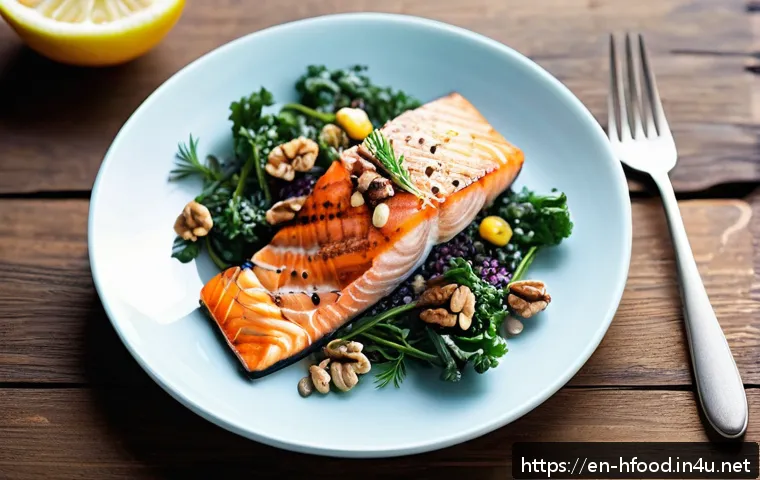
Fatty fish like salmon, mackerel, and sardines are packed with omega-3 fatty acids, which have been shown to reduce inflammation and promote brain health.
From my own experience, adding salmon to my weekly meals noticeably helped me feel more balanced during stressful weeks. These healthy fats support neurotransmitters that regulate mood, making it easier to cope with anxiety and tension.
The best part? These fish are delicious, versatile, and quick to prepare, so they fit seamlessly into a busy lifestyle.
Plant-Based Omega-3 Alternatives
If you’re not a fan of fish or follow a plant-based diet, flaxseeds, chia seeds, and walnuts are excellent sources of omega-3s. I’ve found that sprinkling chia seeds over my morning yogurt or adding walnuts to salads not only boosts nutrition but also helps stabilize my mood throughout the day.
These options bring variety and crunch, making them easy to incorporate without feeling like a chore.
The Science Behind Omega-3 and Stress Relief
Studies suggest omega-3s can lower cortisol, the stress hormone, while enhancing serotonin production—the brain’s “feel-good” chemical. This dual action means omega-3s don’t just prevent stress; they actively improve your emotional resilience.
When I started focusing on omega-3 intake, I noticed fewer mood swings and a calmer mental state even during hectic periods.
Brighten Your Day with Vitamin C-Packed Fruits
Why Oranges and Berries Are More Than Just Sweet Treats
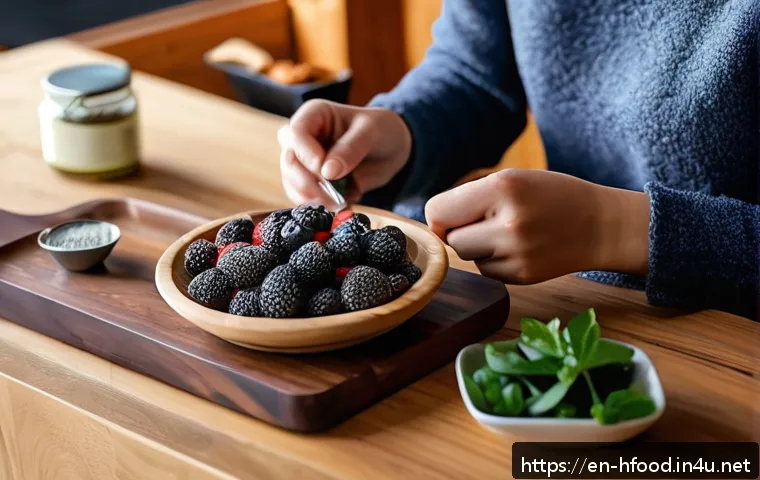
Vitamin C is famous for boosting immunity, but its role in stress management is equally impressive. Oranges, strawberries, and kiwi are rich in vitamin C, which helps reduce levels of stress hormones and oxidative damage.
Personally, a daily serving of these fruits feels like a natural pick-me-up, especially when work feels overwhelming. Their refreshing taste also makes them perfect snacks to keep your energy steady.
The Relaxing Effects of Citrus Aromas
Beyond eating, the scent of citrus fruits can have a calming effect on the nervous system. I’ve often used lemon or orange essential oils during stressful workdays, and the uplifting aroma helps clear my mind and reduce anxiety.
This sensory experience complements the nutritional benefits, creating a holistic approach to stress relief.
Simple Ways to Add Vitamin C to Your Diet
Incorporating these fruits is easier than you think. Adding a handful of berries to your breakfast cereal or blending a citrus smoothie can be quick yet powerful habits.
I like to keep a bowl of mixed fruit on my desk, so I’m reminded to snack healthily instead of reaching for sugary or processed options when stress hits.
The Comforting Effect of Dark Chocolate
Why a Bit of Sweetness Can Ease Your Nerves
Dark chocolate, especially varieties with 70% cocoa or higher, contains antioxidants and compounds like flavonoids that positively impact brain function and mood.
I won’t lie—sometimes a small piece after a stressful day feels like a mini celebration. The mood lift isn’t just placebo; these compounds increase serotonin and endorphin levels, which help you feel calmer and happier.
Balancing Pleasure and Health
The key is moderation. I’ve learned that indulging in a small square of dark chocolate daily can be beneficial without derailing healthy eating habits.
It’s a satisfying ritual that adds joy without guilt, a perfect antidote to stress-induced cravings for junk food.
Pairing Dark Chocolate with Other Mood-Boosting Foods
For an extra boost, try pairing dark chocolate with nuts or fruits. The combination offers healthy fats, fiber, and additional antioxidants, amplifying the stress-relief benefits.
One of my favorite snacks is dark chocolate with a handful of almonds—both crunchy and soothing.
Leafy Greens: Nature’s Stress Soothers
Why Spinach and Kale Deserve a Spot on Your Plate
Leafy greens like spinach, kale, and Swiss chard are loaded with magnesium, a mineral that plays a crucial role in calming the nervous system. I noticed that on days when I include a generous serving of greens in my meals, I feel less jittery and more grounded.
These veggies are nutrient-dense powerhouses that support overall brain function and reduce anxiety symptoms.
Creative Ways to Enjoy More Greens
If you’re not keen on eating salads every day, try blending greens into smoothies or adding them to soups and stews. I often sneak kale into my morning green smoothie, and it’s a game-changer for sustained energy and mood stabilization.
The slightly earthy flavor blends well with fruits like banana and pineapple, making it a delicious habit.
The Link Between Magnesium Deficiency and Stress
Many people don’t realize that magnesium deficiency can exacerbate stress and anxiety. Ensuring adequate intake through leafy greens and other sources helps regulate the body’s stress response.
From personal experience, boosting magnesium helped me sleep better and reduced that constant “on edge” feeling during busy times.
Probiotic-Rich Foods to Balance Your Gut and Mind
The Gut-Brain Connection Explained
Our gut microbiome plays a surprising role in mental health. Probiotic-rich foods like yogurt, kimchi, and sauerkraut support beneficial bacteria that produce neurotransmitters influencing mood and stress levels.
After incorporating these foods regularly, I noticed improved digestion and a calmer mindset, especially during stressful periods.
Easy Ways to Add Probiotics to Your Diet
Adding probiotic foods doesn’t have to be complicated. A spoonful of sauerkraut on your sandwich or a serving of yogurt with breakfast can make a big difference.
I often opt for probiotic-rich kefir as a refreshing drink that supports both gut and mental health.
Choosing the Right Probiotic Foods
Not all fermented foods are created equal. Look for those with live and active cultures to get the full benefits. Experimenting with different options helped me find favorites that suit my taste and lifestyle, making it easier to maintain this healthy habit consistently.
Whole Grains for Steady Energy and Calm
How Complex Carbs Influence Mood
Whole grains like oats, quinoa, and brown rice provide slow-releasing energy that helps keep blood sugar levels stable. This stability is crucial for managing stress because blood sugar spikes and crashes can worsen anxiety.
I’ve found that starting my day with oatmeal keeps me focused and less prone to irritability throughout the morning.
Incorporating Whole Grains Into Everyday Meals
Whole grains are incredibly versatile. Whether it’s swapping white rice for quinoa or adding oats to baked goods, these small changes have a big impact.
I like to prepare quinoa salads or overnight oats in advance for busy mornings, ensuring I fuel my brain properly even on hectic days.
Fiber’s Role in Stress Reduction
High-fiber whole grains support gut health, which, as mentioned earlier, ties directly to mood regulation. This dual benefit makes whole grains a smart choice for anyone looking to naturally reduce stress.
From my experience, combining fiber-rich foods with other stress-relieving nutrients creates a synergistic effect that’s hard to beat.
Nuts and Seeds: Tiny Powerhouses of Calm
Why Almonds, Pumpkin Seeds, and More Matter
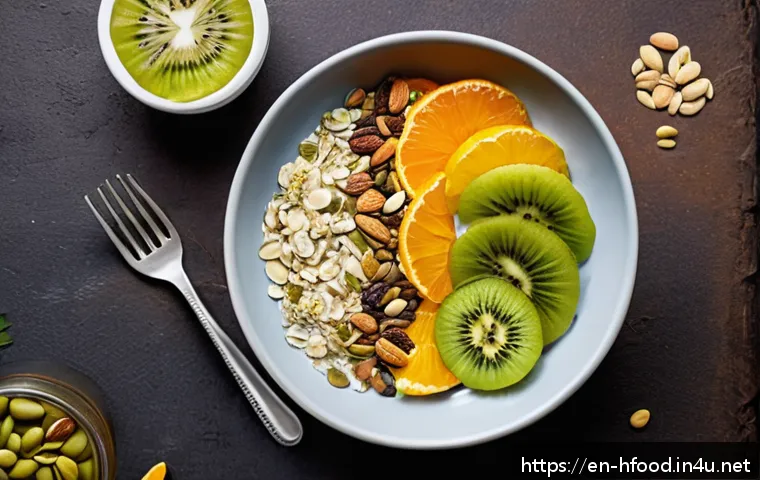
Nuts and seeds are packed with healthy fats, protein, and minerals like zinc and magnesium that contribute to stress reduction. I often snack on a mix of almonds and pumpkin seeds when I feel overwhelmed, and it instantly helps me regain focus and composure.
Their crunch and flavor also satisfy cravings without the sugar crash.
Making Nuts and Seeds a Daily Habit
Incorporating these snacks is simple: toss them into salads, sprinkle over yogurt, or just enjoy a handful on their own. Keeping a small container handy at work or home makes it easy to reach for a nutritious option instead of less healthy alternatives when stress hits.
Understanding Portion Control
While nuts and seeds are healthy, they’re also calorie-dense. I’ve learned that sticking to about a quarter cup per snack keeps me energized without overdoing it.
This balance helps maintain a healthy weight alongside stress management.
| Food Category | Key Nutrients | Stress-Relief Benefits | Recommended Serving Tips |
|---|---|---|---|
| Fatty Fish | Omega-3 Fatty Acids (EPA, DHA) | Reduces inflammation, lowers cortisol, boosts serotonin | 2-3 servings per week; grilled, baked, or in salads |
| Vitamin C Fruits | Vitamin C, Antioxidants | Lowers stress hormones, combats oxidative stress | Daily servings as snacks or in smoothies |
| Dark Chocolate | Flavonoids, Antioxidants | Enhances mood via serotonin and endorphins | Small portions (1-2 squares) daily |
| Leafy Greens | Magnesium, Folate, Vitamins A & C | Calms nervous system, supports brain function | Daily servings in salads, smoothies, or cooked dishes |
| Probiotic Foods | Live Cultures, Vitamins | Balances gut microbiome, improves mood regulation | Regular servings of yogurt, kimchi, or sauerkraut |
| Whole Grains | Fiber, Complex Carbohydrates | Stabilizes blood sugar, supports gut health | Daily servings in meals and snacks |
| Nuts and Seeds | Healthy Fats, Magnesium, Zinc | Reduces anxiety, provides steady energy | Handful as snacks or meal additions |
Conclusion
Incorporating nutrient-rich foods like omega-3 fatty acids, vitamin C fruits, dark chocolate, leafy greens, probiotics, whole grains, and nuts can significantly enhance your ability to manage stress and maintain a balanced mood. From personal experience, these dietary choices not only support mental well-being but also fit easily into a busy lifestyle. Embracing these habits can lead to a calmer mind and more sustained energy throughout the day.
Helpful Tips to Remember
1. Consistency is key—regularly including these stress-relieving foods ensures you reap their full benefits over time.
2. Variety matters—mixing different food sources keeps meals interesting and maximizes nutrient intake.
3. Portion control helps maintain balance, especially with calorie-dense foods like nuts and dark chocolate.
4. Experiment with preparation methods—try smoothies, salads, or simple snacks to fit your preferences and schedule.
5. Pay attention to your body’s responses to different foods to tailor your diet for optimal stress relief and mood support.
Key Takeaways
Choosing foods rich in essential nutrients can play a powerful role in reducing stress and improving emotional resilience. Prioritizing omega-3s, antioxidants, magnesium, probiotics, and complex carbohydrates supports brain health and stabilizes mood. Small, manageable dietary adjustments can create lasting positive effects on your mental well-being, making stress easier to handle in everyday life.
Frequently Asked Questions (FAQ) 📖
Q: uestionsQ1: How do these stress-busting foods actually help reduce anxiety and improve mood?
A: These foods contain specific nutrients that influence brain chemistry and hormone levels. For example, foods rich in omega-3 fatty acids, like salmon, help regulate neurotransmitters linked to mood stabilization.
Magnesium-packed options such as spinach relax muscles and calm the nervous system. Plus, antioxidants in berries reduce inflammation that can negatively impact mental health.
From my own experience, incorporating these into my diet made a noticeable difference in how I handled daily stress, providing a natural lift without any jitters.
Q: Can I rely solely on diet to manage my stress, or should I combine it with other methods?
A: While eating stress-busting foods is a powerful tool, it’s most effective when combined with other healthy habits. Think of nutrition as one piece of a bigger puzzle that includes exercise, quality sleep, mindfulness, and social connection.
For instance, when I paired a balanced diet with daily walks and meditation, my overall anxiety levels dropped significantly more than with diet alone.
So, don’t expect food to be a magic fix, but rather a supportive ally in your stress management plan.
Q: How often should I eat these stress-reducing foods to see benefits?
A: Consistency is key. Incorporating these foods regularly—ideally daily or several times a week—helps maintain steady nutrient levels that support brain and body function.
From my trial, even small changes like adding a handful of nuts or a serving of leafy greens each day created a gradual but lasting mood improvement. Remember, it’s about building a sustainable habit rather than quick fixes, so start slow and make it enjoyable!