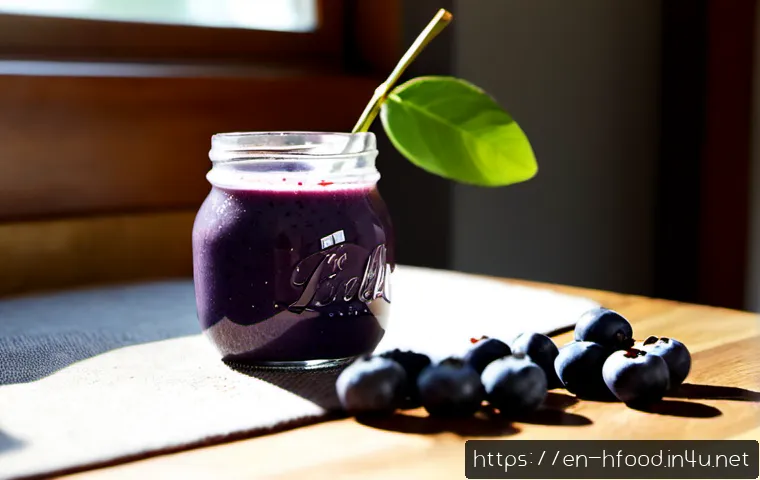
Fresh or frozen whole blueberries are usually the most practical everyday choice for an antioxidant-focused diet. They are versatile, easy to compare by ingredient list and cost per serving, and do not require treating one food as a cure-all.
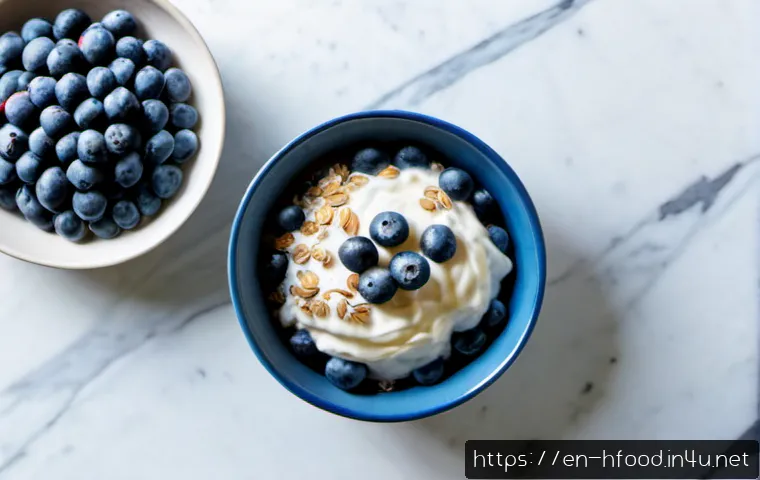
Blueberries contain antioxidant compounds, but their exact content can vary with variety, growing conditions, storage, and preparation. For most shoppers, the best option depends on how quickly the berries will be used, available freezer space, added ingredients, and budget.
Dried berries, juice, powders, and supplements can have a place, but they need closer label checks. A regular pattern of eating varied whole foods matters more than relying on a single “superfood.”
At a Glance
- Whole fresh or frozen blueberries are usually the simplest options for regular meals and snacks.
- Frozen berries can be especially useful when storage life, meal prep, and cost per serving matter.
- Dried berries, juice, and supplements deserve a closer look at added ingredients, serving size, and intended use.
| Option | Best For | What to Check | Value Consideration |
|---|---|---|---|
| Fresh blueberries | Immediate eating, salads, and texture | Condition of the berries and how soon they will be used | Useful when in season or when you will finish them promptly |
| Frozen blueberries | Smoothies, oatmeal, baking, and meal prep | Plain berries with no sweeteners or sauces | Longer storage can reduce food waste |
| Dried blueberries | Portable snacks and trail mixes | Added sugar, oils, serving size, and ingredient list | Convenient, but easy to eat in larger amounts |
| Blueberry juice | An occasional beverage choice | Fruit content, sweeteners, and serving size | Not automatically equivalent to whole fruit |
| Powders or supplements | Specific personal preferences or limited food access | Ingredients, directions, and whether a supplement is needed | Whole foods may offer better overall meal value |
What Blueberries Can Contribute to an Antioxidant-Focused Diet
Blueberries can be a practical part of a nutrient-rich eating pattern because they are easy to add to meals, snacks, and simple recipes. Their antioxidant compounds are one reason they are often included in healthy eating discussions. Still, blueberries do not prevent, treat, or cure specific diseases on their own.
Three Quick Takeaways Before Choosing a Blueberry Product
First, choose a format you will realistically eat. Second, whole berries are generally easier to fit into balanced meals than heavily sweetened or highly processed blueberry products. Third, compare package size, added ingredients, storage needs, and cost per serving instead of buying based only on “antioxidant” claims.
What “Antioxidants” Mean in Everyday Nutrition
Antioxidants are compounds found in many plant foods. In everyday meal planning, the useful takeaway is simple: include a variety of fruits, vegetables, beans, whole grains, nuts, and other nutrient-rich foods when they fit your needs. The exact antioxidant content of blueberries can vary by variety, growing conditions, storage, and preparation, so there is no single number that applies to every package.
Why Whole-Fruit Dietary Patterns Matter More Than One “Superfood”
A food does not need a dramatic label to be worthwhile. Whole blueberries can bring flavor and variety to a diet, but no single fruit replaces an overall balanced pattern. Pairing berries with filling foods such as plain yogurt, oats, nuts, seeds, or a balanced meal can be more useful than searching for one concentrated antioxidant product.
Fresh, Frozen, Dried, Juice, or Supplements: Which Option Offers the Best Value?
The best value is not always the lowest shelf price. Consider how much you will actually use, whether the product may spoil, and whether it contains ingredients you do not want. For many households, plain frozen blueberries are a practical middle ground between convenience and storage life.
When Frozen Blueberries Can Be the Most Practical Choice
Frozen berries work well in smoothies, overnight oats, yogurt bowls, sauces, and baked dishes. They can also be used a little at a time, which helps when fresh berries might otherwise be forgotten in the refrigerator. Look for a package that lists blueberries as the main or only ingredient if plain fruit is your goal.
Why Labels Matter for Dried Berries, Juices, Powders, and Capsules
Dried blueberries may be useful for travel or pantry storage, but sweetened versions are not the same as plain whole fruit. Juice can be easy to drink quickly, so check the serving size and ingredient list rather than assuming the front label tells the full story. With powders and antioxidant supplements, review the ingredient panel, suggested use, and your reason for buying them. A capsule may be less useful than food if your goal is to build more satisfying meals.
Easy Ways to Eat Blueberries Without Overcomplicating Your Routine
You do not need a special recipe to use blueberries regularly. Keep the approach simple enough to repeat on busy days.
Breakfast, Snack, and Meal Ideas Using Whole Berries
Stir fresh or frozen blueberries into oatmeal or plain yogurt. Add them to a smoothie with other whole-food ingredients. Use them in a fruit-and-nut snack bowl, spoon them over whole-grain toast with a protein-rich topping, or add a small handful to a salad for contrast.
Pairing Blueberries With Protein, Fiber, and Healthy Fats
Blueberries can be more satisfying when paired with other foods. Consider yogurt, cottage cheese, oats, chia seeds, nuts, nut butter, or a meal that includes protein and vegetables. This is a practical way to avoid treating fruit as a stand-alone solution for every nutrition goal.
Portion Awareness for Smoothies, Baked Goods, and Sweetened Recipes
There is no universally ideal daily blueberry serving for every person. Pay attention to the rest of the recipe, especially when smoothies include sweetened drinks or when baked goods contain substantial added sugar. Whole berries can still be part of those foods, but the finished recipe should be judged as a whole.
Common Mistakes and Safety Considerations
Many blueberry products sound similar but serve very different purposes. Reading beyond the front of the package helps avoid common shopping mistakes.
Confusing Blueberry-Flavored Products With Products Containing Meaningful Fruit
“Blueberry flavored” does not automatically mean a product contains much whole fruit. Check the ingredient list if blueberries are the reason you are purchasing it. This matters for cereals, snack bars, drinks, baked items, and flavored dairy products.
Added Sugar, Serving-Size, and Juice-Label Pitfalls

Sweetened dried berries and juice can fit some eating patterns, but they should not automatically be treated as interchangeable with fresh or frozen fruit. Compare the ingredient list and serving size before deciding. A package may look small while containing more than one serving.
When to Discuss Dietary Changes or Supplements With a Qualified Clinician
If you have individual dietary restrictions, take medications, or are considering an antioxidant supplement, a qualified clinician can help you assess what fits your situation. Personal needs and medication considerations can differ, so general nutrition guidance cannot replace individualized advice.
Practical Tips for Different Shopping and Lifestyle Needs
A blueberry routine works best when it matches your kitchen, schedule, and food budget.
Best Approach for Busy Households and Meal Prep
Keep a frozen bag available for meals that do not require perfect fresh texture. Portion berries into containers for planned breakfasts or snacks, and use fresh berries first when both fresh and frozen are on hand.
Budget-Friendly Buying Strategies for Regular Use
Compare products by cost per serving, not only by the price on the package. Consider expected waste as well: a lower-priced fresh container is not necessarily the better value if it will spoil before you use it. Store brands, frozen formats, and larger packages may be worth comparing when they fit your storage space.
Travel, Pantry Storage, and Seasonal Availability Considerations
Fresh berries are convenient for immediate use but require timely planning. Frozen berries are often easier for long-term home storage. Dried berries can travel well, but ingredient labels matter more because some products include sweeteners or other additions.
Choosing the Right Blueberry Option: A Decision-Stage Comparison
Choose fresh blueberries when texture, immediate eating, and use in salads or snacks matter most. Choose frozen blueberries when longer storage, smoothies, meal prep, and reducing waste are higher priorities. Choose dried products, juice, powders, or supplements only after checking the ingredients and deciding whether that format matches your actual purpose.
Before buying, compare package size, added ingredients, storage time, intended use, and cost per serving. For product-specific details, check the ingredient panel and nutrition information on the relevant product page or package.
Final Thoughts
Blueberries can be an easy, enjoyable addition to an antioxidant-focused diet, especially when chosen in a format that suits your routine. Fresh and frozen whole berries are often the most straightforward everyday options. Dried berries, juice, and supplements are not automatically poor choices, but they call for more careful label reading. Focus on a varied eating pattern rather than expecting one food to do everything.
Useful Things to Know
Fresh: best for immediate use and firm texture.
Frozen: useful for long storage, smoothies, and cooking.
Dried: portable, but check for sweeteners and serving size.
Juice and supplements: compare ingredients and consider whether whole food would better meet your goal.
Important Notes
Blueberry antioxidant content is not identical across every variety or product. Blueberries are not a treatment or cure for disease, and no single daily serving is ideal for everyone. Individual dietary needs, health conditions, and medication considerations may require personal guidance from a qualified clinician.
Frequently Asked Questions
Q1. Are frozen blueberries as good as fresh blueberries for an antioxidant-focused diet?
A1. Frozen blueberries can be a practical choice for an antioxidant-focused diet, particularly because they are convenient and store longer. Exact antioxidant content can vary with the berries and how they are stored or prepared, so it is more useful to choose a plain product you will use regularly than to assume one format is always superior.
Q2. Is it better to eat blueberries or take an antioxidant supplement?
A2. For many people, whole blueberries are a straightforward starting point because they can be included in meals and snacks. Supplements may be considered for specific personal reasons, but they are not automatically necessary. If you take medications or have individual health considerations, discuss supplement use with a qualified clinician.
Q3. What should I check before buying dried blueberries or blueberry juice?
A3. Check the ingredient list, added sweeteners, serving size, and the amount you are likely to use. Dried berries and juice can be convenient, but they should not automatically be considered equivalent to plain whole fresh or frozen blueberries.