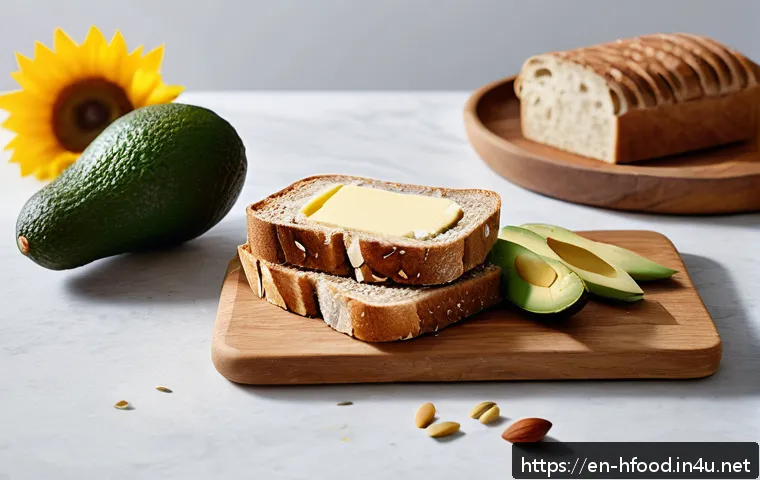
With plant-based diets gaining momentum and more people seeking creamy, flavorful alternatives, vegan butter has become a kitchen staple for many. But with so many options flooding the market, finding the perfect spread that balances taste, texture, and nutrition can feel overwhelming.
Whether you’re a seasoned vegan or just curious about reducing dairy, discovering the creamiest plant-based butter can elevate your cooking and baking game.
In this guide, we’ll dive into the top contenders, helping you choose the best vegan butter to suit every culinary need and preference. Let’s explore the buttery world of plant-based goodness together!
Understanding the Texture and Meltability of Vegan Butters
Why Texture Matters in Plant-Based Spreads
When it comes to vegan butter, texture can make or break your cooking experience. A spread that’s too hard won’t easily spread on your morning toast, while one that’s too soft might melt away before you even get a chance to cook with it.
Personally, I’ve found that the best vegan butters strike a delicate balance: creamy enough to spread smoothly but firm enough to hold their shape in recipes.
This balance also affects how well they mimic dairy butter in baked goods, where consistency is key to achieving that perfect crumb or flakiness.
How Vegan Butters Perform When Heated
I’ve experimented with various brands to see how they handle heat, especially for sautéing and baking. Some plant-based butters melt quickly and evenly, releasing rich flavors without separating or burning.
Others can be a bit tricky, breaking down into oily pools or leaving behind an unpleasant aftertaste when exposed to high temperatures. The key here is the blend of oils used—coconut oil, avocado oil, and even shea butter contribute differently to meltability and flavor profiles.
If you’re someone who loves frying or roasting veggies with butter, picking a brand that melts gracefully will save you from culinary mishaps.
The Role of Fat Composition in Texture
Fat type and content are crucial to the texture of vegan butter. Saturated fats like coconut oil tend to solidify at room temperature, giving the butter a firmer feel.
Unsaturated fats, found in oils like olive or avocado, create softer spreads. A combination often results in a product that behaves most like traditional butter.
When trying new brands, I check the ingredient list carefully—not just for nutritional info but to anticipate how it might behave in my recipes. This insight helps me avoid surprises, especially when baking delicate pastries or making sauces that rely on butter’s emulsifying properties.
Flavor Profiles That Elevate Your Dishes
The Importance of a Balanced, Buttery Taste
One thing I’ve noticed is that vegan butters can range widely in flavor—from mildly nutty to distinctly coconutty or even slightly tangy. The best ones capture that rich, creamy essence of dairy butter without overwhelming your dish with strong plant-based notes.
For instance, when I made scrambled tofu, a buttery spread with a subtle, neutral flavor helped bring out the dish’s natural savoriness without competing with the spices.
How Ingredients Influence Flavor
The flavor nuances in vegan butter often come down to the oils and additives used. Some brands incorporate cultured plant-based ingredients to mimic the slight tanginess of traditional butter, which adds depth and complexity.
Others lean heavily on coconut oil, which can impart a tropical note that works wonderfully in baking but might feel out of place in savory recipes. I recommend tasting small amounts before committing to a brand, especially if you plan to use it in a variety of dishes.
Pairing Vegan Butter With Different Cuisines
From my experience, choosing a vegan butter that complements your favorite cuisines can enhance your overall meal. For example, a buttery spread with a neutral flavor pairs well with French and Italian dishes, where butter’s subtle richness is key.
On the other hand, a coconut-forward vegan butter can add a unique twist to Indian or Southeast Asian recipes, blending beautifully with spices and coconut milk.
It’s fun to experiment with different brands to find your go-to for each culinary style.
Nutrition Considerations for Health-Conscious Eaters
Understanding Fat Content and Types
Nutrition-wise, vegan butters differ significantly from their dairy counterparts. Most use plant oils, so they tend to be cholesterol-free and often lower in saturated fats, depending on the blend.
I always check the nutrition label to see how much saturated fat and trans fat the product contains, especially since some coconut oil-heavy options can be surprisingly high in saturated fat.
Choosing a spread with a healthy balance of fats supports heart health without sacrificing flavor.
Added Vitamins and Fortifications
Some vegan butters are fortified with vitamins like B12, D, and calcium—nutrients often lacking in plant-based diets. When I switched to vegan butter full-time, I appreciated finding brands that add these essential nutrients, helping me meet my daily requirements without extra supplements.
It’s definitely something to consider if you’re mindful of nutritional gaps when reducing or eliminating dairy.
Calorie Count and Serving Size Awareness
While vegan butters can be a healthier alternative, they still pack calories, so moderation is key. I’ve noticed that some brands are more calorie-dense due to higher fat content, so tracking your serving size helps keep your diet balanced.
Using vegan butter thoughtfully, such as spreading thinly or incorporating it into recipes rather than slathering it, can maximize flavor without unnecessary calories.
Environmental Impact and Ethical Factors in Choosing Vegan Butter
Why Sustainability Matters in Plant-Based Choices
One reason I embraced vegan butter is the environmental benefit. Plant-based spreads generally have a lower carbon footprint compared to traditional dairy butter.
However, not all vegan butters are created equal—some use ingredients sourced with more care for sustainability and ethical labor practices. Supporting brands committed to environmental responsibility feels good beyond just the kitchen, aligning with a lifestyle that values both health and the planet.
Organic and Non-GMO Certifications
If you’re like me, you look for certifications that guarantee product integrity. Organic and Non-GMO labels on vegan butter assure that the ingredients are grown without harmful pesticides or genetic modifications.
These certifications often come with higher quality standards, which can translate to better taste and nutritional profiles. Plus, they contribute to more sustainable farming practices, which is a win-win for consumers and the earth.
Animal Welfare and Vegan Standards
True vegan butter excludes any animal-derived ingredients, but some brands go further by ensuring cruelty-free production methods and packaging. I’ve found that companies transparent about their sourcing and production processes tend to have better products overall.
This transparency builds trust and makes it easier to align your purchases with your values, knowing you’re supporting ethical practices.
Price and Availability: What to Expect
Balancing Cost With Quality
Vegan butter can vary widely in price, and I’ve noticed that higher cost doesn’t always guarantee better quality. Some affordable brands deliver excellent taste and texture, while some premium options fall short in either flavor or meltability.
It pays to try a few before settling on your favorite. Also, consider how often you use butter—if it’s a daily staple, investing in a slightly pricier brand that performs well might save you money in the long run by reducing waste.
Finding Vegan Butter in Stores and Online
Depending on your location, access to vegan butter can be hit or miss. I’ve had to hunt down certain brands online or visit specialty stores to find my preferred spreads.
However, mainstream grocery chains are rapidly expanding their plant-based selections, making it easier than ever to grab vegan butter alongside your regular groceries.
For those who live in areas with limited options, online shopping is a reliable fallback.
Storage Tips to Maximize Shelf Life
Proper storage extends the life and quality of vegan butter. From my experience, keeping it refrigerated is best, especially for coconut oil-based spreads that can soften too much at room temperature.
Some brands also freeze well, which is handy if you buy in bulk. Always check packaging for specific instructions, but generally, keeping vegan butter sealed tightly and away from heat or light preserves its flavor and texture longer.
Comparing Popular Vegan Butter Brands at a Glance
| Brand | Key Ingredients | Texture | Flavor Profile | Nutrition Highlights | Price Range (USD) |
|---|---|---|---|---|---|
| Brand A | Coconut oil, sunflower oil, cultured plant fats | Creamy and firm | Neutral, slightly tangy | Cholesterol-free, fortified with B12 & D | $5 – $7 per 8 oz |
| Brand B | Avocado oil, palm oil, sea salt | Soft and spreadable | Mild, buttery with a hint of coconut | Low saturated fat, Non-GMO | $4 – $6 per 8 oz |
| Brand C | Coconut oil, shea butter, olive oil | Firm, melts quickly | Rich, slightly nutty | Organic, no hydrogenated fats | $6 – $8 per 8 oz |
| Brand D | Sunflower oil, canola oil, cultured vegan cream | Soft, ideal for baking | Neutral, subtle dairy-like taste | Fortified with calcium, cholesterol-free | $5 – $7 per 8 oz |
Creative Ways to Use Vegan Butter Beyond Spreading
Enhancing Savory Dishes
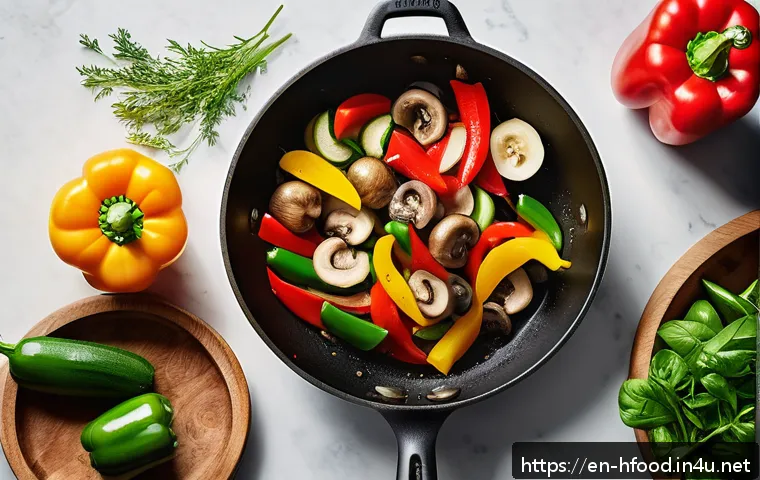
Vegan butter isn’t just for toast or baking; it’s fantastic in savory dishes too. I love using it to sauté garlic and herbs before tossing in vegetables or grains.
The rich, creamy texture adds depth without overpowering the natural flavors. It also works wonderfully in sauces, giving them a silky finish that’s hard to achieve with oils alone.
Baking and Pastry Applications
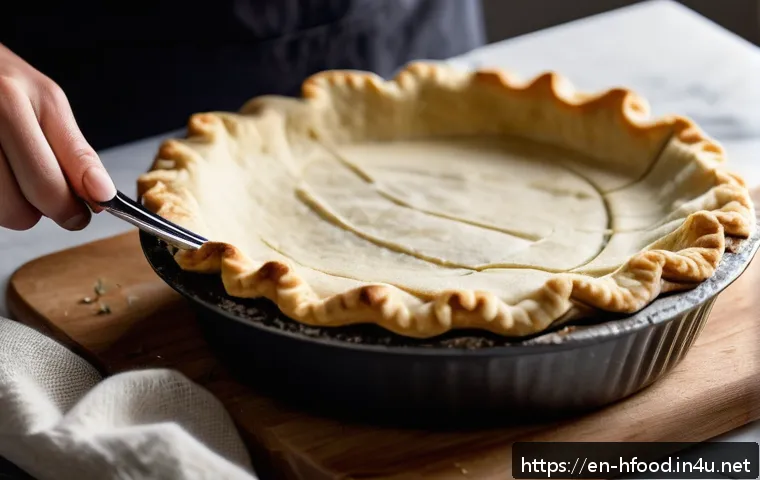
For those who enjoy baking, vegan butter can be a game changer. I’ve had great success using it in pie crusts and cookies, where the fat content and texture mimic traditional butter closely.
The key is chilling the vegan butter well before mixing, which helps create that perfect flaky texture. If you’re experimenting with puff pastries or croissants, selecting a brand with a higher saturated fat content can improve rise and layering.
Spicing Up Breakfast Favorites
Breakfast is the perfect time to showcase vegan butter’s versatility. Whether melting it over pancakes, stirring it into oatmeal, or using it to cook tofu scramble, the buttery richness elevates simple dishes to something special.
I often add a sprinkle of cinnamon or a drizzle of maple syrup on top of buttered toast for a quick, indulgent treat that feels both comforting and wholesome.
Wrapping Up
Choosing the right vegan butter can truly transform your cooking and baking experience. From texture and flavor to nutrition and sustainability, there are many factors to consider. By understanding these key aspects, you can find a plant-based spread that fits your taste, lifestyle, and ethical values perfectly. Whether you’re a seasoned vegan or just exploring, the right butter alternative makes all the difference in your kitchen creations.
Useful Tips to Remember
1. Always test the texture of vegan butter at room temperature to ensure it suits your spreading and cooking needs.
2. Check ingredient lists for oil blends and fat types to predict how the butter will melt and perform in recipes.
3. Taste small samples before buying to find a flavor profile that complements your favorite dishes and cuisines.
4. Look for fortified vegan butters if you want added nutritional benefits like B12, vitamin D, and calcium.
5. Store vegan butter properly—refrigerate or freeze—to maintain freshness and extend shelf life.
Key Takeaways
Selecting vegan butter involves balancing taste, texture, nutrition, and environmental impact. Not all products behave the same, so understanding fat composition and ingredient sourcing is crucial. Prioritize brands with transparent labeling and certifications for organic or non-GMO status to ensure quality and ethical standards. Lastly, consider your budget and availability, and don’t hesitate to experiment to find your perfect match in the growing world of plant-based butters.
Frequently Asked Questions (FAQ) 📖
Q: What should I look for when choosing the creamiest vegan butter?
A: When searching for the creamiest vegan butter, focus on the ingredients and texture. Look for options made with natural oils like coconut, avocado, or olive oil, as they tend to offer a rich, smooth mouthfeel.
Also, check if the butter is whipped or cultured, which can enhance creaminess and flavor depth. Personally, I found that brands blending coconut oil with a bit of cashew or almond butter deliver that luscious, spreadable consistency perfect for both baking and spreading on toast.
Avoid those with too many preservatives or artificial additives, as they often compromise taste and texture.
Q: Can vegan butter be used as a 1:1 substitute for dairy butter in recipes?
A: In most cases, yes! Vegan butter works wonderfully as a 1:1 substitute for dairy butter in cooking and baking. I’ve tried swapping out dairy butter with plant-based alternatives in cookies, cakes, and sautéed dishes, and the results were impressively close in texture and flavor.
However, some vegan butters have higher water content or different melting points, so if you’re baking delicate pastries, it might take a bit of trial to find the best match.
Starting with well-reviewed, high-fat vegan butters can make this transition smoother.
Q: Are vegan butters healthier than traditional butter?
A: Generally, vegan butters can be healthier, but it depends on the brand and your dietary goals. Many vegan butters are free from cholesterol and lower in saturated fats compared to dairy butter, which is great for heart health.
Plus, they often contain beneficial plant oils and sometimes added vitamins like B12 or D. That said, some contain processed oils or added emulsifiers, so I always recommend checking the nutrition label.
From my experience, choosing minimally processed vegan butters with simple, recognizable ingredients offers the best balance of taste and health benefits.