With heart disease remaining a leading health concern worldwide, more people are seeking natural ways to support cardiovascular wellness. One powerful nutrient gaining attention is potassium, known for its ability to help lower blood pressure and promote heart health.
Whether you’re managing hypertension or simply aiming to boost your wellbeing, incorporating potassium-rich foods into your diet can make a significant difference.
In today’s post, we’ll explore the top 10 potassium-packed foods that not only taste great but also work wonders for your heart. Stick around to discover easy, delicious options that could transform your health from the inside out.
Fruits That Boost Heart Health Naturally
Bananas: The Classic Potassium Powerhouse
Bananas have long been a go-to fruit for anyone looking to up their potassium intake, and for good reason. One medium banana packs about 400-450 mg of potassium, making it an easy and tasty way to support your cardiovascular system.
Beyond potassium, bananas provide fiber and antioxidants that contribute to overall heart wellness. Personally, I find that grabbing a banana as a quick snack or adding it to my morning smoothie keeps me energized and helps me maintain balanced blood pressure throughout the day.
Their natural sweetness also means you don’t have to compromise on taste while doing something good for your heart.
Avocados: Creamy and Heart-Friendly
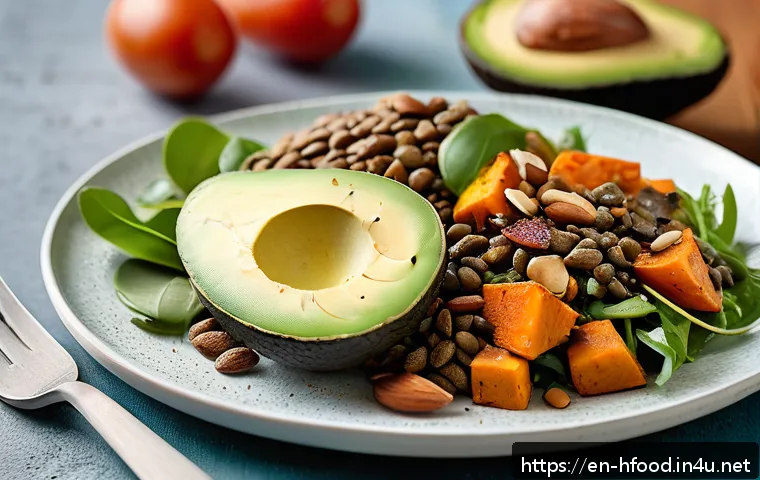
Avocados are often celebrated for their healthy fats, but they’re also a rich source of potassium. A single avocado can contain up to 975 mg of potassium, which is more than double what you get from a banana.
This creamy fruit supports heart health by lowering bad cholesterol and providing anti-inflammatory benefits. When I first started adding avocado to my salads and toast, I noticed not only an improvement in flavor but also a subtle boost in my energy levels.
The versatility of avocados means they can be enjoyed in many ways—guacamole, smoothies, or even baked dishes—making it easy to incorporate potassium into your daily routine.
Oranges and Citrus Fruits: More Than Just Vitamin C
Oranges and other citrus fruits like grapefruits and tangerines offer a solid potassium content along with their well-known vitamin C benefits. A medium orange typically delivers around 240 mg of potassium, contributing to blood pressure regulation and heart muscle function.
I like to start my day with a glass of freshly squeezed orange juice or a citrus fruit salad, which feels refreshing and heart-healthy. The natural sugars and hydration also make citrus fruits an excellent choice for those aiming to maintain a balanced diet without feeling deprived.
Vegetables That Support Your Cardiovascular System
Sweet Potatoes: Nutrient-Dense and Delicious
Sweet potatoes are a fantastic source of potassium, with one medium sweet potato providing roughly 540 mg. Unlike regular potatoes, they’re packed with beta-carotene and fiber, which further promote heart health by reducing inflammation and supporting healthy cholesterol levels.
I often roast sweet potatoes with a sprinkle of herbs as a side dish, and it’s always a hit not only because of the taste but because I know it’s doing good for my heart.
Their natural sweetness and satisfying texture make them a great alternative to less nutritious carbs.
Spinach: The Leafy Green Champion
Spinach is a nutritional powerhouse, loaded with potassium, magnesium, and nitrates that help relax blood vessels and lower blood pressure. One cup of cooked spinach contains about 840 mg of potassium.
I like to toss spinach into omelets, smoothies, or pasta dishes. It blends well without overpowering other flavors, making it easy to sneak into meals even for picky eaters.
From my experience, regular spinach intake has contributed to feeling more energetic and less sluggish, which I attribute partly to its heart-boosting nutrients.
Tomatoes: Juicy and Versatile
Tomatoes provide a decent potassium boost, with one medium tomato containing around 290 mg. They’re also rich in lycopene, an antioxidant linked to reduced heart disease risk.
Whether eaten raw in salads, cooked into sauces, or blended into soups, tomatoes offer a flavorful way to enhance your potassium intake. I find that incorporating tomatoes into my diet adds freshness and tang, while also helping me keep my heart health in check without any extra effort.
Nuts and Seeds: Small but Mighty Heart Helpers
Almonds: Crunchy Potassium Snacks
Almonds are often praised for their healthy fats and protein, but they also contribute to your potassium needs with around 200 mg per ounce. I like to keep a small bag of almonds handy for snacking during busy days.
They help me avoid sugary snacks and provide a heart-friendly option that’s satisfying and nutritious. Their crunch and mild flavor make them a perfect addition to salads and yogurt as well.
Chia Seeds: Tiny but Nutrient-Rich
Chia seeds pack a surprising potassium punch with about 115 mg per tablespoon. Along with potassium, they provide omega-3 fatty acids, fiber, and antioxidants, all of which support cardiovascular health.
I usually mix chia seeds into my smoothies or sprinkle them over oatmeal for added texture and nutrition. The gel-like consistency they develop when soaked also helps keep me full longer, which is a bonus for maintaining a healthy weight and heart.
Pistachios: Colorful and Heart-Smart
Pistachios offer approximately 290 mg of potassium per ounce, plus healthy fats and antioxidants. Their unique flavor and bright green color make them a fun snack to enjoy anytime.
I often roast them lightly with a pinch of sea salt for a savory treat that satisfies cravings while supporting my heart health goals. Including pistachios in my diet has helped me feel more balanced and less tempted by less nutritious options.
Legumes and Beans That Support Blood Pressure
Lentils: Affordable and Potassium-Rich
Lentils are a powerhouse of nutrients, providing about 730 mg of potassium per cooked cup. They’re also high in fiber and plant-based protein, which contribute to heart health by lowering cholesterol and improving blood sugar control.
I often use lentils in soups and stews, finding them to be a hearty and satisfying addition to meals. Their mild flavor absorbs spices well, so they’re never boring and always heart-friendly.
Kidney Beans: Versatile and Nourishing
Kidney beans contain around 600 mg of potassium per cooked cup and are rich in fiber and antioxidants. I enjoy adding them to chili, salads, or rice bowls for a nutritious boost.
They help stabilize blood pressure levels and provide sustained energy, which I notice especially on busy days when I need to stay alert. Their texture and taste make them a great plant-based protein source that supports a balanced heart-healthy diet.
Black Beans: Dark and Delicious
Black beans offer roughly 610 mg of potassium per cup cooked and are also loaded with fiber, magnesium, and folate. I like to use black beans in wraps, burritos, or as a side dish.
They add a rich, earthy flavor while helping to regulate blood pressure and improve vascular function. From my experience, black beans help keep me full and satisfied longer, making it easier to avoid unhealthy snacks.
Seafood Choices That Enhance Cardiovascular Wellness
Salmon: Omega-3 and Potassium Combo
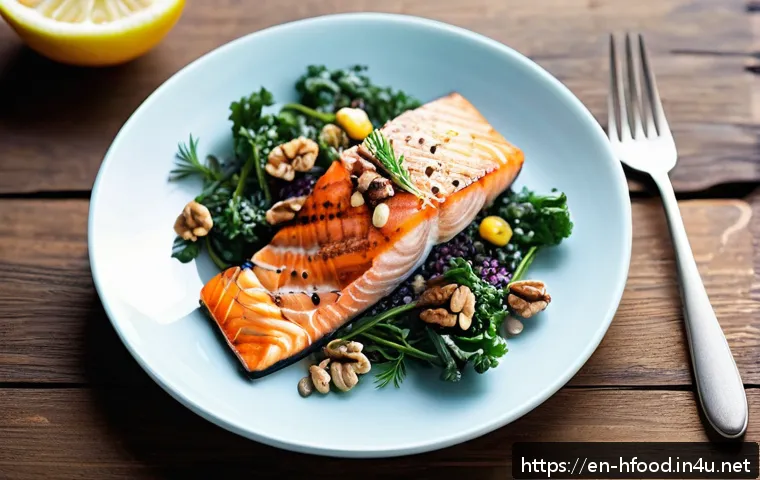
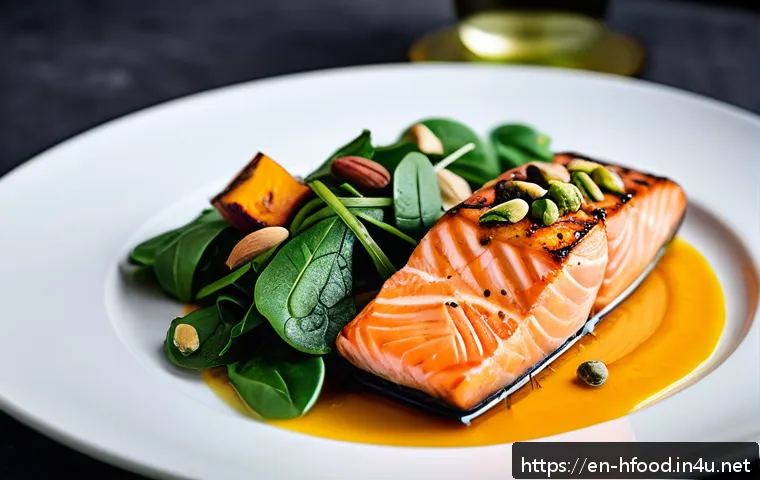
Salmon isn’t just famous for its omega-3 fatty acids; it also contains about 490 mg of potassium per 3-ounce serving. These nutrients work together to reduce inflammation and support healthy heart rhythms.
I enjoy grilled salmon with a side of vegetables for a meal that feels indulgent but is incredibly nourishing. The combination of flavors and health benefits makes salmon one of my favorite heart-friendly foods.
Shrimp: Low-Calorie and Nutrient-Dense
Shrimp provides around 260 mg of potassium per 3-ounce cooked portion, along with lean protein and antioxidants like selenium. I often use shrimp in stir-fries or salads, appreciating how quickly it cooks and how well it pairs with various seasonings.
Eating shrimp helps me meet my potassium needs without adding excess calories, which is important when managing blood pressure and weight.
Tuna: Convenient and Heart-Smart
Canned tuna contains about 320 mg of potassium per 3-ounce serving and is an easy, shelf-stable option for boosting potassium intake. I find it incredibly convenient for quick meals, whether mixed into salads, sandwiches, or pasta.
Tuna’s mild flavor and protein content help me stay full and maintain stable energy levels, which supports my heart health goals effortlessly.
Incorporating Potassium into Your Daily Diet
Balancing with Sodium for Optimal Blood Pressure
Potassium works best when balanced with sodium intake, so it’s important not to just increase potassium but also reduce excess salt consumption. From my experience, cooking meals at home using fresh ingredients and seasoning with herbs instead of salt helps maintain this balance.
Tracking both nutrients can feel overwhelming at first, but once you get into the habit, it becomes second nature and highly rewarding for your cardiovascular health.
Simple Meal Ideas to Maximize Potassium
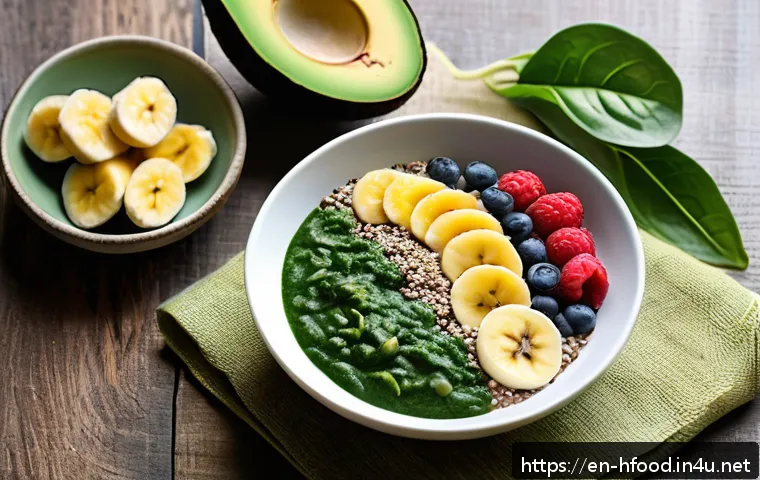
Combining potassium-rich foods into easy recipes makes it much more enjoyable to meet your daily needs. For instance, a breakfast smoothie with banana, spinach, and chia seeds is both delicious and nutrient-packed.
Lunch might include a lentil salad with tomatoes and avocado, while dinner could be grilled salmon with roasted sweet potatoes and steamed spinach. These combinations not only taste great but also provide a powerful potassium boost without complicated preparation.
Potassium Intake Recommendations and Safety Tips
While increasing potassium is beneficial, it’s important to stay within recommended limits—generally around 2,500 to 3,000 mg per day for most adults.
People with kidney issues or on certain medications should consult their healthcare provider before making significant changes. I’ve found that working with a nutritionist or doctor to tailor potassium intake ensures safety and effectiveness.
Moderation and variety remain key to achieving balanced heart health.
| Food | Potassium Content (mg per serving) | Additional Heart Benefits | Typical Serving Size |
|---|---|---|---|
| Banana | 420 | Fiber, antioxidants | 1 medium |
| Avocado | 975 | Healthy fats, anti-inflammatory | 1 whole |
| Spinach (cooked) | 840 | Magnesium, nitrates | 1 cup |
| Sweet Potato | 540 | Beta-carotene, fiber | 1 medium |
| Lentils (cooked) | 730 | Fiber, plant protein | 1 cup |
| Salmon (cooked) | 490 | Omega-3 fatty acids | 3 ounces |
| Almonds | 200 | Healthy fats, protein | 1 ounce |
| Tomato (medium) | 290 | Lycopene, antioxidants | 1 medium |
In Conclusion
Incorporating potassium-rich fruits, vegetables, nuts, legumes, and seafood into your daily diet can naturally support heart health and help maintain balanced blood pressure. From my personal experience, these foods not only taste great but also provide lasting energy and cardiovascular benefits. Small changes like these add up to a big impact over time, making heart-healthy eating both simple and enjoyable.
Helpful Tips to Remember
1. Start your day with potassium-packed foods like bananas or citrus fruits to boost energy and support heart function.
2. Combine leafy greens and colorful vegetables such as spinach and tomatoes for a nutrient-rich meal that aids blood pressure control.
3. Snack smart with nuts and seeds like almonds and chia seeds to satisfy hunger while benefiting your heart.
4. Include legumes and beans regularly in your meals to enhance potassium intake and improve cholesterol levels.
5. Balance potassium intake with reduced sodium consumption by cooking fresh meals and seasoning with herbs instead of salt.
Key Takeaways
Maintaining heart health through diet is most effective when potassium-rich foods are consumed in variety and moderation. Always consider your individual health conditions and consult a healthcare professional if you have kidney issues or take medications affecting potassium levels. Prioritize whole, fresh foods and mindful seasoning to create a sustainable and heart-friendly eating routine that supports your well-being long-term.
Frequently Asked Questions (FAQ) 📖
Q: How does potassium help in managing blood pressure and improving heart health?
A: Potassium plays a vital role in balancing the amount of sodium in your cells, which directly affects blood pressure levels. When you consume enough potassium, it helps your body excrete excess sodium through urine, easing tension in your blood vessel walls.
This process can lower blood pressure and reduce strain on your heart. From my experience, increasing potassium-rich foods in my meals helped me feel more energetic and less worried about spikes in my blood pressure.
Q: What are some easy and tasty potassium-rich foods I can add to my daily diet?
A: There are plenty of delicious options that are naturally high in potassium. Some favorites include bananas, sweet potatoes, spinach, avocados, and white beans.
I personally love roasting sweet potatoes with a sprinkle of cinnamon or adding avocado slices to my morning toast. These foods not only boost potassium intake but also bring variety and flavor to your meals, making heart-healthy eating a pleasure rather than a chore.
Q: Are there any risks or precautions to consider when increasing potassium intake?
A: While potassium is generally beneficial, too much can be harmful, especially for people with kidney problems or those taking certain medications like ACE inhibitors or potassium-sparing diuretics.
It’s important to consult your healthcare provider before making significant changes, particularly if you have underlying health conditions. I learned this the hard way when a friend’s potassium supplements caused an imbalance, reminding me that moderation and professional guidance are key.