Lately, everyone’s buzzing about boosting metabolism naturally, especially with health trends shifting towards sustainable habits. If you’ve been wondering how to burn fat more effectively without drastic diets or exhausting workouts, science has some exciting answers.

Certain foods can actually rev up your body’s calorie-burning engine, making your weight loss journey smoother and more enjoyable. I’ve tried incorporating these fat-burning powerhouses into my meals, and the difference is noticeable—not just in energy but in overall well-being.
Stick around as we dive into the top scientifically backed foods that can supercharge your metabolism starting today!
Unlocking Your Body’s Natural Fat-Burning Potential
Understanding How Certain Foods Ignite Metabolism
When you eat, your body doesn’t just passively store calories—it actively processes the food, a process known as the thermic effect of food (TEF). Some foods require more energy to digest, absorb, and metabolize, which means they can slightly boost your calorie burn after eating.
For example, protein-rich foods tend to have a much higher TEF compared to fats or carbohydrates. I’ve personally noticed that increasing protein in my meals not only helps me feel fuller longer but also seems to keep my energy levels steady throughout the day.
This effect, although subtle, can add up over time and support fat loss without drastic lifestyle changes.
The Role of Spices in Metabolic Enhancement
Spices aren’t just flavor boosters—they can also stimulate your metabolism. Capsaicin, found in chili peppers, is a well-known compound that can increase the number of calories you burn and even curb your appetite.
I remember trying spicy meals regularly, and it felt like my metabolism got a little kick each time. Similarly, cinnamon and ginger have been linked to improved insulin sensitivity and better blood sugar control, which indirectly helps your body manage fat storage more efficiently.
Adding these spices to everyday dishes is a simple, tasty way to support fat burning without extra effort.
The Synergy Between Hydration and Metabolic Rate
Water might seem basic, but staying well-hydrated is surprisingly crucial for metabolism. Drinking cold water, in particular, can make your body work a bit harder to warm it up to body temperature, temporarily boosting calorie expenditure.
In my experience, I find that when I’m properly hydrated, I feel more alert and energized, which naturally leads to moving more throughout the day—another win for metabolism.
Plus, sometimes thirst is mistaken for hunger, so drinking enough water helps prevent unnecessary snacking, further supporting fat loss goals.
How Healthy Fats Support Fat Loss and Metabolism
Incorporating Omega-3 Fatty Acids for Metabolic Health
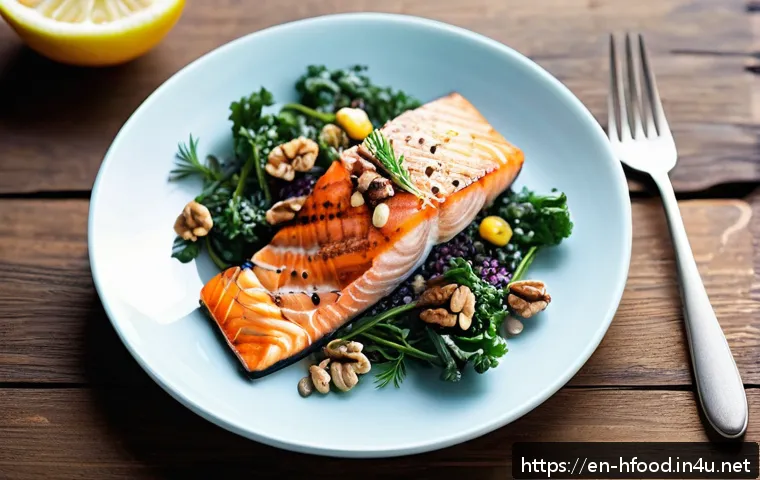
Contrary to old dieting myths, not all fats slow down metabolism. Omega-3 fatty acids, found in fatty fish like salmon and in flaxseeds, actually play a role in reducing inflammation and improving metabolic function.
When I added salmon to my weekly diet, I noticed not only better digestion but also improved recovery after workouts, making it easier to maintain an active lifestyle.
These fats help your cells become more efficient at burning energy, which over time supports a leaner physique.
The Benefits of Medium-Chain Triglycerides (MCTs)
MCTs, a special type of fat found in coconut oil and MCT oil supplements, are metabolized differently from other fats. They are rapidly absorbed and converted into energy rather than being stored.
This means they can give your metabolism a quick boost and help reduce fat accumulation. After experimenting with adding a spoonful of coconut oil to my morning smoothie, I felt a noticeable increase in mental clarity and sustained energy, which helped me avoid mid-morning crashes and unhealthy snacking.
Balancing Fat Intake for Optimal Metabolism
It’s important to remember that fats should be part of a balanced diet, not the sole focus. Including a variety of fat sources, like avocados, nuts, and seeds, supports hormone production, including those that regulate metabolism and appetite.
I personally find that meals containing healthy fats keep me satisfied longer, preventing overeating later in the day. The key is moderation and choosing fats that nourish your body instead of processed or trans fats that can hinder metabolic function.
The Impact of Fiber-Rich Foods on Fat Metabolism
Soluble Fiber’s Role in Slowing Digestion and Boosting Fat Burn
Fiber-rich foods like oats, beans, and berries contain soluble fiber, which forms a gel-like substance in the gut that slows digestion. This slower digestion means you absorb nutrients more steadily, helping regulate blood sugar and insulin levels—both critical for managing fat storage.
From my experience, breakfasts with oats or chia seeds keep me feeling full until lunch and prevent sugar cravings, which is a huge help when trying to lose weight.
Insoluble Fiber and Gut Health
Insoluble fiber, found in whole grains, nuts, and vegetables, promotes regular bowel movements and supports a healthy gut microbiome. A happy gut means your metabolism can function optimally, as gut bacteria are involved in energy regulation and fat metabolism.
I’ve noticed that when I increase my vegetable intake, I feel less bloated and more energetic, which motivates me to stay active and continue burning calories effectively.
Combining Fiber with Protein for Enhanced Fat Loss
Pairing fiber with protein amplifies the benefits for metabolism and appetite control. A meal with both keeps blood sugar stable and reduces hunger pangs, making it easier to stick to a calorie deficit without feeling deprived.
For example, I often combine beans or lentils with lean chicken or turkey, which has helped me maintain muscle while shedding fat. This combination feels satisfying and sustainable for long-term success.
The Energizing Effects of Green Tea and Other Metabolic Drinks
How Green Tea Catechins Stimulate Fat Burning
Green tea is packed with antioxidants called catechins, particularly EGCG, which have been shown to increase fat oxidation and metabolic rate. Drinking a cup or two daily, as I do, seems to give me a gentle energy lift and better focus without the jitters that coffee sometimes brings.
The thermogenic effect of green tea makes it a favorite among people aiming for natural fat loss.
Matcha: The Concentrated Metabolic Booster
Matcha, a powdered form of green tea, contains higher levels of catechins and caffeine compared to regular brewed tea. This combination makes it a potent metabolism enhancer.
When I switched to matcha lattes, I noticed improved endurance during workouts and a more sustained feeling of alertness throughout the afternoon. It’s a delicious way to boost calorie burn while enjoying a comforting drink.
Hydrating Alternatives That Support Metabolism
Other than green tea, herbal teas like ginger and peppermint can also aid digestion and reduce inflammation, indirectly supporting metabolic health. I often sip ginger tea after meals, and it helps me feel lighter and more comfortable, which makes staying active easier.
These drinks provide hydration with added metabolic benefits, unlike sugary beverages that can sabotage fat loss efforts.
Balancing Carbohydrates to Enhance Metabolic Efficiency
Choosing Low-Glycemic Carbs for Steady Energy
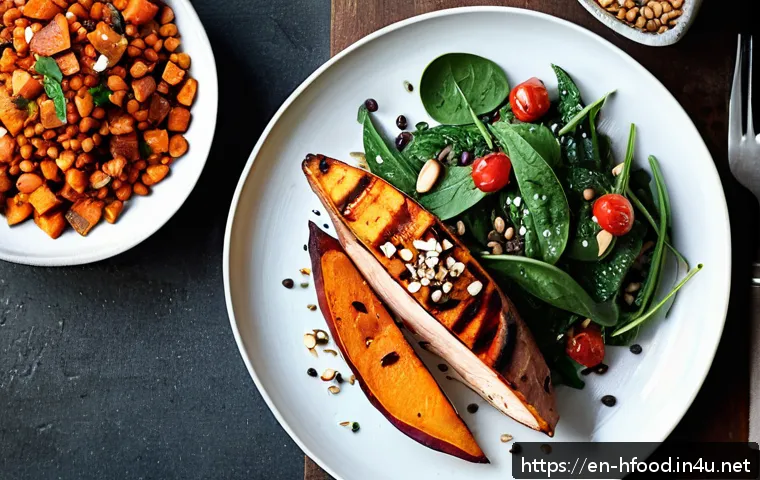
Not all carbs are created equal—low-glycemic index (GI) carbs such as sweet potatoes, quinoa, and most vegetables release glucose slowly into the bloodstream, preventing spikes in blood sugar and insulin.
This steady energy release supports fat metabolism and prevents fat storage. From personal experience, swapping out white bread for quinoa significantly reduced my afternoon energy slumps and cravings.
Timing Carb Intake to Maximize Fat Burning
When you eat carbs can be just as important as what you eat. Consuming most of your carbs around workouts can fuel exercise performance and recovery without encouraging fat storage.
I’ve found that having a carbohydrate-rich meal post-workout helps replenish glycogen stores and aids muscle repair, which in turn supports a higher resting metabolic rate.
Incorporating Resistant Starch for Gut and Metabolic Health
Resistant starch, found in foods like green bananas and cooled cooked potatoes, acts like fiber in the gut, feeding beneficial bacteria and producing short-chain fatty acids that promote fat burning and reduce inflammation.
After adding resistant starch to my diet, I noticed better digestion and more consistent energy levels, which helped me stay on track with my fitness goals.
| Food Type | Key Metabolic Benefit | Example Foods | Personal Experience |
|---|---|---|---|
| Protein | High thermic effect, increases calorie burn | Chicken, turkey, eggs, legumes | Keeps me full longer and stabilizes energy |
| Spices | Boosts thermogenesis, curbs appetite | Chili peppers, cinnamon, ginger | Adds flavor and a metabolism boost without effort |
| Healthy Fats | Supports hormone function, rapid energy from MCTs | Salmon, avocado, coconut oil | Improved recovery and sustained energy |
| Fiber | Slows digestion, improves gut health | Oats, beans, vegetables | Reduces cravings and bloating |
| Green Tea | Contains catechins that enhance fat oxidation | Green tea, matcha | Gentle energy lift, better focus |
| Low-GI Carbs | Steady blood sugar, prevents fat storage | Sweet potatoes, quinoa | Reduced energy crashes and cravings |
The Role of Balanced Meal Timing and Lifestyle Habits
Eating Patterns That Support Metabolism
Consistent meal timing can help regulate your body’s internal clock and metabolic rhythm. I’ve noticed that eating smaller, balanced meals every 3 to 4 hours keeps my metabolism humming and prevents overeating.
Skipping meals, on the other hand, often leads to energy dips and binge eating later in the day. It’s not about eating less but about eating smarter and more regularly.
The Importance of Sleep and Stress Management
Metabolism doesn’t operate in isolation—sleep quality and stress levels have a huge impact. Poor sleep can disrupt hormones like cortisol and insulin, leading to slower metabolism and increased fat storage.
Managing stress through mindfulness or light exercise has helped me maintain a calmer mindset, better sleep, and a more efficient metabolism.
Physical Activity as a Metabolic Multiplier
While food plays a huge role, combining a metabolism-friendly diet with regular physical activity multiplies fat-burning effects. Even simple habits like walking after meals or incorporating strength training can raise your resting metabolic rate.
I find that staying active not only burns calories but also improves mood and energy, making it easier to stick to healthy eating habits.
Everyday Tips to Seamlessly Integrate Metabolism-Boosting Foods
Simple Swaps for a Metabolism-Friendly Diet
Making small changes like swapping sugary snacks for nuts or fresh fruit can gradually improve metabolic health. I started replacing my afternoon cookies with almonds and noticed a big difference in my afternoon energy and hunger levels.
These tiny swaps are less intimidating than overhauling your entire diet and more sustainable long term.
Meal Prep Ideas to Include Fat-Burning Ingredients
Prepping meals with metabolism-boosting ingredients ensures you’re never caught off guard by hunger or poor food choices. For example, I prepare quinoa salads with plenty of veggies and grilled chicken for easy lunches that keep my metabolism steady throughout the day.
Batch cooking allows for consistent nutrient intake without added stress.
Mindful Eating to Maximize Metabolic Benefits
Taking time to eat slowly and savor your food improves digestion and hormone signaling related to metabolism. I noticed that when I’m mindful about my meals, I feel more satisfied and less likely to overeat, which naturally supports fat loss.
This habit also enhances your enjoyment of food, making healthy eating feel less like a chore.
The Science Behind Why These Foods Work Together
How Nutrients Interact to Optimize Metabolism
The synergy between protein, fiber, healthy fats, and metabolic spices creates a powerful environment for fat loss. Protein and fiber slow digestion and increase satiety, fats support hormone balance, and spices boost calorie burn.
Together, these nutrients help regulate appetite and energy expenditure. I’ve found combining these elements in meals consistently leads to better results than focusing on any single food group.
The Role of Hormones in Fat Metabolism
Hormones like insulin, leptin, and thyroid hormones play critical roles in how your body stores and burns fat. Eating foods that stabilize blood sugar and reduce inflammation supports healthy hormone levels.
After tweaking my diet to include more anti-inflammatory foods and fewer refined carbs, I experienced improved mood and more stable energy, which made fat loss more manageable.
Long-Term Benefits of Sustainable Metabolic Support
Building a metabolism-friendly diet is not about quick fixes but about creating habits that support your body’s natural rhythm over time. The foods mentioned not only help burn fat but also improve overall health, energy, and well-being.
From my journey, embracing these foods felt empowering and enjoyable rather than restrictive, which is key to lasting success.
Closing Thoughts
Unlocking your body’s natural fat-burning potential is about embracing a balanced approach that combines the right foods, lifestyle habits, and mindful eating. Small, consistent changes can lead to lasting improvements in metabolism and overall health. Remember, sustainable progress comes from nourishing your body thoughtfully and staying active. Trust the process and enjoy the journey toward a healthier you.
Helpful Information
1. Prioritize protein-rich meals to boost calorie burn and keep hunger at bay.
2. Incorporate spices like chili, cinnamon, and ginger for a natural metabolism lift.
3. Stay well-hydrated to support digestion, energy, and appetite control.
4. Choose healthy fats and fiber-rich foods to enhance hormone balance and gut health.
5. Time your carbohydrate intake around workouts to maximize fat burning and energy.
Key Takeaways
Optimizing metabolism isn’t about quick fixes but about consistent, balanced nutrition and lifestyle choices. Combining protein, fiber, healthy fats, and metabolism-supporting spices creates synergy that helps regulate appetite and energy expenditure. Regular meal timing, quality sleep, stress management, and physical activity further amplify fat-burning potential. Sustainable metabolic health leads not only to fat loss but also to greater energy and overall well-being.
Frequently Asked Questions (FAQ) 📖
Q: uestions about Boosting Metabolism NaturallyQ1: Can eating certain foods really speed up my metabolism and help me lose weight?
A: Absolutely! Some foods contain compounds that can slightly increase your metabolic rate. For example, spicy foods with capsaicin, green tea rich in antioxidants, and protein-packed meals all require more energy to digest, which can boost calorie burn.
While these effects aren’t massive on their own, combining them with a balanced diet and regular activity can support your weight loss goals in a sustainable, healthy way.
Q: How soon can I expect to see results after adding metabolism-boosting foods to my diet?
A: Results vary from person to person, but most people notice subtle changes in energy levels and digestion within a week or two. Visible fat loss takes longer and depends on your overall lifestyle—like exercise habits and sleep quality.
I personally felt more energetic and less sluggish after just a few days of adding green tea and lean proteins to my meals, which motivated me to keep going.
Q: Are there any risks or side effects of trying to boost metabolism naturally through food?
A: For the most part, incorporating metabolism-friendly foods is safe and beneficial. However, overconsumption of stimulants like caffeine from green tea or coffee can cause jitters or sleep disturbances.
Also, relying solely on these foods without addressing overall nutrition or exercise won’t lead to lasting weight loss. It’s best to use them as part of a balanced approach rather than a quick fix.