With heart disease remaining one of the leading health concerns worldwide, taking control of your blood pressure has never been more important. Recently, nutrition experts have highlighted how certain everyday foods can naturally support healthy blood pressure levels without relying solely on medication.
If you’ve been searching for practical and delicious ways to care for your heart, you’re in the right place. In this post, we’ll explore some of the most effective heart-healthy foods that not only taste great but also help keep your blood pressure in check.
Stick around to discover simple additions to your diet that can make a real difference in your cardiovascular health. Your heart will thank you!
Unlocking the Power of Natural Nutrients for Blood Pressure Balance
The Magic of Potassium-Rich Choices
Potassium is like your heart’s best friend when it comes to managing blood pressure. It helps balance out the negative effects of sodium and eases tension in your blood vessels, making it a key player in keeping your numbers in check.
Foods like sweet potatoes, bananas, and spinach aren’t just tasty—they pack a serious potassium punch. From personal experience, swapping out salty snacks for a banana or roasting some sweet potatoes has made my afternoon cravings both healthier and more satisfying.
It’s incredible how such simple swaps can contribute to a calmer, steadier blood pressure reading.
Embracing the Good Fats: Why Omega-3s Matter
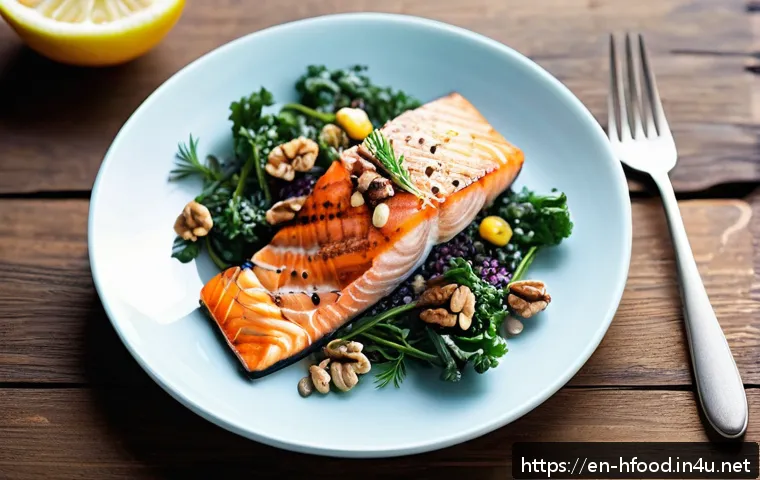
Omega-3 fatty acids have earned their reputation for heart health, and for good reason. Found abundantly in fatty fish like salmon, mackerel, and sardines, these fats help reduce inflammation and promote healthier blood vessel function.
When I started including grilled salmon twice a week in my diet, I noticed not just a difference in my blood pressure but also an improvement in my overall energy levels.
Plus, omega-3s can help lower triglycerides, which is a bonus for cardiovascular health. If fish isn’t your thing, walnuts and flaxseeds are great plant-based alternatives that work similarly.
Fiber’s Role in Blood Pressure Control
Dietary fiber, especially the soluble kind, can do wonders for your heart. It helps reduce cholesterol and keeps blood pressure stable by improving the elasticity of your arteries.
Oats, beans, and lentils are excellent sources that I’ve found easy to incorporate into meals. For example, starting my day with a bowl of oatmeal topped with fresh berries feels comforting and heart-smart.
Plus, the slow release of energy helps avoid blood sugar spikes that can indirectly affect blood pressure.
The Surprising Benefits of Everyday Vegetables and Fruits
Leafy Greens: More Than Just a Side Dish
Leafy greens like kale, arugula, and Swiss chard are loaded with nitrates, which your body converts into nitric oxide—a compound that helps widen blood vessels and lower blood pressure.
When I began adding a handful of spinach to my smoothies and salads, I noticed a subtle yet consistent improvement in my blood pressure readings. These greens also provide magnesium and calcium, essential minerals for heart health.
Don’t underestimate their power just because they’re so easy to overlook in your meals.
Berries: Small But Mighty Heart Helpers
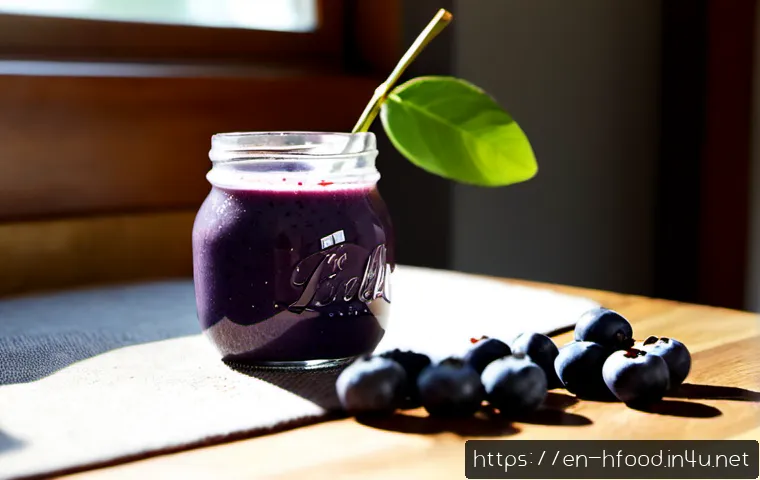
Berries are packed with antioxidants and flavonoids, which help reduce oxidative stress and improve blood vessel function. Blueberries, strawberries, and raspberries are my go-to snacks for a quick blood pressure boost.
They’re naturally sweet, making them a satisfying alternative to sugary treats. I love mixing them into yogurt or oatmeal for breakfast, and it feels like a delicious way to support my heart every day.
Tomatoes and Their Heart-Healthy Compound
Tomatoes contain lycopene, a powerful antioxidant linked to lower blood pressure and reduced risk of heart disease. Whether fresh, roasted, or in sauce form, tomatoes add flavor and heart benefits to any dish.
I personally enjoy a simple tomato salad with olive oil and herbs, which not only tastes fresh but also supports cardiovascular health in a way that feels effortless.
Harnessing the Power of Nuts and Seeds for Cardiovascular Support
Almonds and Walnuts: Nature’s Heart Boosters
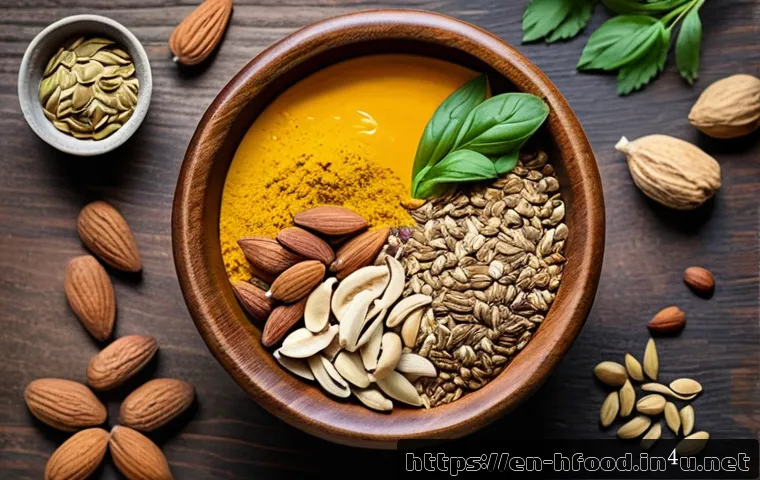
Nuts like almonds and walnuts are rich in healthy fats, fiber, and magnesium, all essential for maintaining healthy blood pressure. I keep a small jar of mixed nuts at my desk for those moments when I need a quick, nutritious snack.
Their crunch and subtle flavors make them satisfying, and knowing they’re good for my heart makes the snack even better. Studies show that regular nut consumption can improve arterial function and reduce inflammation, which is something I’ve felt firsthand.
Flaxseeds and Chia Seeds: Tiny But Powerful
Don’t let their size fool you—flaxseeds and chia seeds are loaded with omega-3s and fiber. Adding a tablespoon of ground flaxseeds to my morning smoothie or sprinkling chia seeds over yogurt has become a habit that supports my blood pressure control efforts.
These seeds help regulate blood sugar and keep my energy levels steady throughout the day, which indirectly benefits heart health.
Spices and Herbs That Quietly Support Your Heart
Garlic: Nature’s Blood Pressure Regulator
Garlic has been celebrated for centuries for its medicinal properties, particularly its ability to relax blood vessels and improve circulation. Incorporating fresh garlic into sauces, dressings, and stir-fries has been a game changer for me.
Beyond flavor, it brings a subtle but steady reduction in blood pressure when consumed regularly. Plus, it’s an easy way to add depth to meals without extra salt.
Turmeric and Its Anti-Inflammatory Power
Turmeric’s active compound, curcumin, fights inflammation and supports vascular health. I like to add turmeric powder to soups or blend it into golden milk in the evening.
The warm, earthy flavor complements many dishes and provides a comforting ritual that supports my heart health. Over time, this consistent addition seems to contribute to better blood vessel elasticity and lower blood pressure.
Fresh Herbs: Basil, Parsley, and More
Fresh herbs like basil and parsley are more than just garnishes—they contain antioxidants and compounds that promote blood vessel health. Tossing fresh herbs into salads, soups, or even infused water has become part of my daily routine.
It’s a simple way to boost nutrient intake and add vibrant flavors without adding sodium, which is crucial for blood pressure management.
Smart Hydration Habits for Blood Pressure Management
The Importance of Staying Hydrated
Adequate hydration helps maintain the volume of blood and supports healthy blood pressure. Drinking water consistently throughout the day keeps your heart from working overtime to pump thicker blood.
I’ve noticed that when I drink enough water—around 8 cups a day—I feel more energetic and my blood pressure tends to stay within a healthy range. Avoiding sugary drinks and excessive caffeine also plays a role in keeping hydration balanced.
Herbal Teas and Their Soothing Effects
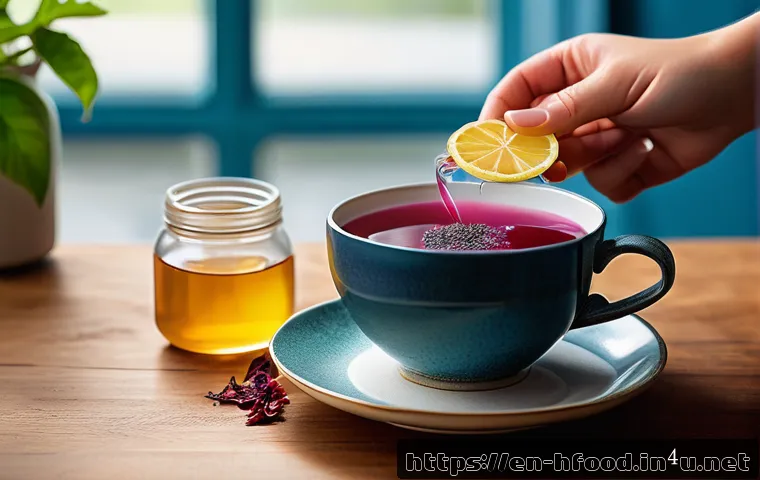
Herbal teas such as hibiscus and chamomile have been shown to support blood pressure regulation. Hibiscus tea, in particular, contains compounds that help relax blood vessels.
I enjoy a warm cup in the late afternoon—it’s a calming ritual that also benefits my cardiovascular system. These teas offer a flavorful alternative to caffeinated beverages that can sometimes elevate blood pressure.
Limiting Alcohol and Its Impact
While moderate alcohol consumption might have some heart benefits, excessive intake can raise blood pressure and harm heart health. From personal experience, cutting back on nightly drinks helped me see a significant improvement in my blood pressure numbers.
Balancing hydration with mindful alcohol choices is a key part of maintaining a healthy cardiovascular system.
Balancing Electrolytes for Optimal Heart Function
Understanding the Role of Magnesium
Magnesium helps regulate muscle and nerve function, including the muscles in your blood vessels. It also helps your body balance other electrolytes that influence blood pressure.
I found that including magnesium-rich foods like pumpkin seeds, dark chocolate, and leafy greens gave me a noticeable boost in blood pressure stability.
Magnesium supplements can help, but I prefer getting it naturally through food for better absorption and overall wellness.
Calcium’s Contribution to Vascular Health
Calcium isn’t just for bones—it also plays a crucial role in how your blood vessels contract and relax. Dairy products like yogurt and fortified plant milks, as well as leafy greens, are excellent sources.
Including these foods in my diet has helped me maintain steady blood pressure and feel more balanced overall. Calcium works best when paired with magnesium, so combining these nutrients is a smart strategy.
Balancing Sodium Intake Without Sacrificing Flavor
Reducing sodium is often the first step in managing blood pressure, but it doesn’t mean your food has to be bland. Using herbs, spices, and citrus can enhance flavor without the need for excess salt.
I’ve experimented with lemon zest, smoked paprika, and fresh herbs to keep meals exciting and heart-healthy. This approach not only helps control sodium but also supports overall electrolyte balance.
| Food Category | Key Nutrients | Benefits for Blood Pressure | Examples |
|---|---|---|---|
| Fruits and Vegetables | Potassium, Fiber, Antioxidants | Helps relax blood vessels, reduces sodium effects, improves arterial health | Bananas, Spinach, Berries, Tomatoes |
| Healthy Fats | Omega-3 Fatty Acids, Magnesium | Reduces inflammation, improves blood vessel function | Salmon, Walnuts, Flaxseeds |
| Nuts and Seeds | Fiber, Healthy Fats, Magnesium | Supports arterial elasticity, lowers inflammation | Almonds, Chia Seeds, Pumpkin Seeds |
| Herbs and Spices | Antioxidants, Anti-inflammatory Compounds | Relaxes blood vessels, reduces oxidative stress | Garlic, Turmeric, Basil |
| Hydration | Water, Electrolytes | Maintains blood volume, supports heart function | Water, Hibiscus Tea, Chamomile Tea |
Incorporating Heart-Healthy Foods into Your Daily Routine
Meal Planning Tips for Blood Pressure Control
Planning meals around heart-healthy ingredients makes it easier to stick to good habits. I like to prep batches of roasted vegetables and grains on weekends so I can quickly assemble balanced meals during busy weekdays.
Including at least one potassium-rich vegetable and a source of omega-3 in every meal ensures my diet supports blood pressure management consistently.
It’s all about making heart health convenient and delicious.
Smart Snacking to Keep Blood Pressure Steady
Snacking doesn’t have to sabotage your heart health. Choosing nuts, seeds, or a piece of fruit over processed snacks keeps your blood pressure in check and provides sustained energy.
I keep small snack bags of mixed nuts and fresh fruit handy for those afternoon slumps. This practice has helped me avoid reaching for salty, high-sodium options that can spike blood pressure.
Adapting Favorite Recipes for Better Heart Health
You don’t have to give up your favorite dishes to care for your heart. Simple swaps like using olive oil instead of butter, reducing salt, or adding extra veggies can make a big difference.
I’ve taken classic pasta dishes and transformed them by adding spinach and using whole-grain noodles. These tweaks keep meals enjoyable while supporting my cardiovascular system every day.
Understanding the Role of Lifestyle Beyond Diet
Physical Activity’s Synergy with Heart-Healthy Foods
Exercise complements the benefits of a heart-healthy diet by helping lower blood pressure and improving blood vessel function. Even moderate activity like walking or yoga can amplify the effects of the foods you eat.
I find that pairing my nutritious meals with regular movement keeps me feeling balanced and energized.
Stress Management and Its Impact on Blood Pressure
Chronic stress can elevate blood pressure, so managing it is crucial. Mindfulness practices, deep breathing, and spending time outdoors all contribute to calmer blood pressure levels.
After incorporating these habits alongside my dietary changes, I noticed more consistent readings and an overall sense of well-being.
Sleep’s Essential Role in Cardiovascular Health
Quality sleep allows your body to recover and regulate blood pressure effectively. Poor sleep can counteract even the best dietary efforts. I’ve found prioritizing 7–8 hours of restful sleep each night enhances the benefits of my heart-healthy eating, making it easier to maintain steady blood pressure.
It’s a vital piece of the puzzle that often gets overlooked.
Closing Thoughts
Balancing blood pressure through natural nutrients is both achievable and enjoyable with mindful choices. Incorporating potassium-rich foods, good fats, fiber, and heart-supportive herbs can make a significant difference. Pairing these dietary habits with hydration, physical activity, and stress management creates a strong foundation for cardiovascular health. Small, consistent changes truly add up over time, leading to lasting benefits.
Useful Information to Keep in Mind
1. Potassium helps counteract sodium’s effects and relaxes blood vessels, making it essential for blood pressure control.
2. Omega-3 fatty acids reduce inflammation and improve blood vessel health, found in fatty fish and certain seeds.
3. Fiber supports artery elasticity and helps maintain steady blood sugar levels, which indirectly benefits blood pressure.
4. Herbs like garlic and turmeric offer natural anti-inflammatory properties that promote vascular health without added salt.
5. Staying well-hydrated and limiting alcohol intake are simple but powerful steps toward maintaining healthy blood pressure.
Key Takeaways for Heart Health
Focusing on nutrient-dense foods rich in potassium, omega-3s, fiber, and antioxidants can effectively support blood pressure balance. Combining dietary strategies with lifestyle habits such as regular exercise, stress reduction, and adequate sleep enhances overall cardiovascular function. Flavorful alternatives to salt and mindful hydration help maintain electrolyte balance without sacrificing taste. Consistency and practicality in these approaches are crucial for long-term success in managing blood pressure naturally.
Frequently Asked Questions (FAQ) 📖
Q: What are some everyday foods that can help lower blood pressure naturally?
A: Several common foods have been shown to support healthy blood pressure levels. These include leafy greens like spinach and kale, which are rich in potassium; berries such as blueberries and strawberries packed with antioxidants; beets known for their nitrate content that helps relax blood vessels; and nuts like almonds and walnuts that provide heart-healthy fats.
Incorporating these into your daily meals can make a noticeable difference over time.
Q: Can changing my diet really reduce the need for blood pressure medication?
A: While diet alone might not replace prescribed medication for everyone, many people experience significant improvements in their blood pressure by adopting heart-healthy eating habits.
For example, reducing sodium intake, increasing potassium-rich foods, and choosing whole, unprocessed foods can lower blood pressure and improve overall cardiovascular health.
It’s important to consult your healthcare provider before making any changes to your medication regimen, but diet is a powerful tool to complement treatment.
Q: How quickly can I expect to see results after adjusting my diet for better blood pressure?
A: Results can vary from person to person, but many individuals notice improvements within a few weeks of consistently eating heart-healthy foods and reducing salt intake.
Some studies suggest blood pressure can drop significantly in just 2 to 4 weeks when following diets like DASH (Dietary Approaches to Stop Hypertension).
However, sustained benefits come from long-term lifestyle changes, so patience and consistency are key.