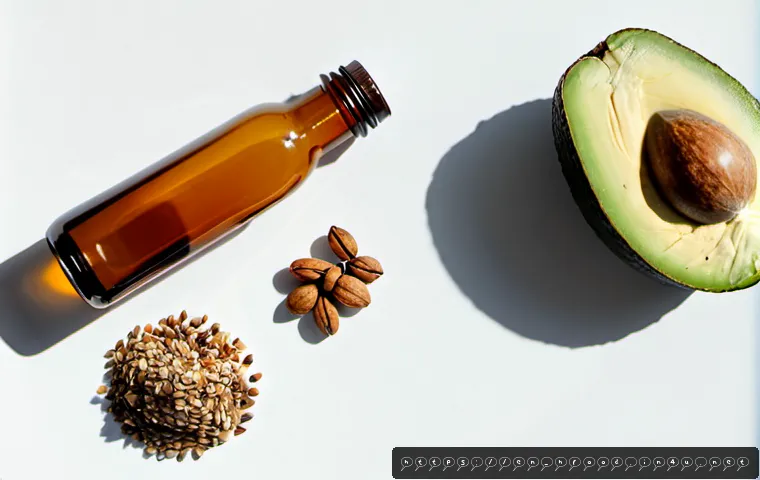
Food is often the better all-around omega-3 choice when fatty fish fits your meals, while capsules can be useful when you want a convenient, measurable intake.

The practical comparison is not fish versus pills alone: check the actual EPA and DHA amount, dietary fit, safety considerations, and cost per serving.
Fatty fish supplies EPA and DHA along with protein and other nutrients, whereas plant foods mainly provide ALA. Fish oil and algae omega-3 supplements can make a routine easier, but a large “fish oil” number on the front label does not necessarily equal a large EPA+DHA dose.
Compare the label details and recurring monthly cost before choosing a supplement format.
At a Glance
- Food is often the broader nutrition choice: fatty fish provides EPA and DHA plus nutrients such as protein and, depending on the fish, vitamin D, iodine, selenium, or vitamin B12.
- Capsules can be practical for consistency: they offer a measured serving without planning seafood meals.
- Compare EPA+DHA and serving cost: do not judge fish oil supplements by bottle size or total oil alone.
| Option | Dose Clarity | Convenience | Dietary Fit | Typical Purchase Consideration |
|---|---|---|---|---|
| Fatty fish | Varies by species and edible serving | Requires meal planning and preparation | Suitable for seafood eaters | Compare edible serving cost, meal preferences, and nutrients beyond omega-3 |
| Standard fish oil | Check the listed EPA and DHA amounts | Simple daily routine | Not vegetarian or vegan | Do not confuse total fish oil with combined EPA+DHA |
| Concentrated fish oil | Often designed to show a more concentrated EPA/DHA serving; verify the label | Convenient and measurable | Not vegetarian or vegan | Compare combined EPA+DHA per serving and the cost of that serving |
| Algae omega-3 | Check whether it provides DHA only or both DHA and EPA | Simple daily routine | Vegetarian and vegan option | Review ingredients, serving details, quality information, and price |
The Short Answer: When Food or Capsules Make More Sense
Food-first works well when fatty fish fits your meals and budget
If salmon, sardines, herring, mackerel, trout, or other seafood already fits your usual meals, food can be a sensible starting point. These choices supply EPA and DHA directly, while also contributing protein and other nutrients that a capsule does not provide. The trade-off is practical: seafood requires shopping, storage, and meals you genuinely enjoy eating. Compare food by the price of the edible serving, not by the package weight alone.
Capsules can help when convenience and dose consistency matter
An omega-3 capsule may be easier for someone who rarely prepares fish, dislikes seafood, travels often, or wants a repeatable routine. The advantage is a clearly stated serving size—provided you read the Supplement Facts panel carefully. Look for the separate amounts of EPA and DHA, rather than relying on a front-label claim such as “1,000 mg fish oil.”
Why neither option is automatically best for everyone
There is no universal winner. Meal habits, dietary restrictions, product ingredients, budget, and medication use all matter. A supplement can fill a realistic convenience gap, but it does not automatically replace the broader nutrition of fish. Likewise, a food-first approach may not suit every schedule or preference.
Compare What You Actually Get From Each Option
EPA, DHA, and ALA: the label and food-source differences that matter
Omega-3 fats include ALA, EPA, and DHA. Fatty fish are commonly recognized sources of EPA and DHA. Flaxseed, chia seeds, walnuts, and canola oil provide ALA rather than meaningful direct amounts of EPA and DHA. The body can convert some ALA into EPA and DHA, but that conversion is generally limited and differs among individuals. This is why a plant-food comparison should not treat ALA and EPA+DHA as interchangeable.
Nutrition beyond omega-3: protein, vitamin D, iodine, and other food benefits
When you choose fish, you are choosing a food rather than a single nutrient. Depending on the seafood, that meal may also provide protein, vitamin D, iodine, selenium, or vitamin B12. Capsules may be useful for dose clarity, but they are not a like-for-like replacement for the rest of a balanced meal. For shoppers focused on overall diet quality, this is often the strongest reason to keep food in the comparison.
Absorption, meal timing, and why product form is not the only factor
Product form is only one part of a purchase decision. A label cannot tell you whether a capsule is the best fit without considering your eating pattern, ingredient preferences, and ability to use it consistently. Follow the product’s directions, and do not assume that a higher total oil number alone makes one supplement a better choice.
Value Comparison: Serving Cost, Dose Clarity, and Buying Considerations
How to compare capsules by combined EPA and DHA—not bottle size
A fair supplement comparison begins with the combined EPA+DHA amount in one serving. Add the listed EPA and DHA amounts, then compare that number with the serving price. You can use a simple calculation:
Cost per 1,000 mg of EPA+DHA = serving cost ÷ combined EPA+DHA in mg × 1,000.
This does not decide which product is right for you, but it prevents a common buying mistake: comparing two bottle prices when the products deliver different EPA+DHA amounts. Also check how many capsules make up one serving and how long the container lasts at the stated use.
Estimating food costs by edible serving and omega-3-rich seafood choices
For seafood, compare the cost of the portion you will actually eat. A fish fillet, canned sardines, or another seafood option may fit different budgets and meal routines. Since EPA and DHA content can vary by food and serving, avoid treating every fish purchase as nutritionally identical. The useful question is whether the food is something you will buy, prepare, and eat regularly.
Fish oil, krill oil, and algae oil: practical comparison points
Fish-derived and algae-based products should be compared using the same core checklist: EPA+DHA per serving, ingredient list, serving size, quality information, and cost per serving. Algae oil may be a relevant choice for vegetarian or vegan shoppers and can provide DHA and sometimes EPA. For any format, the current label matters more than the product category name alone.
Safety Checks and Common Shopping Mistakes
Medication interactions, allergies, pregnancy, and when to ask a clinician
Higher-dose omega-3 products may not be suitable for everyone, especially people using anticoagulant or antiplatelet medicines, without professional advice. People with allergies, those who are pregnant, anyone preparing for surgery, and people managing a diagnosed condition should ask a qualified clinician or pharmacist about an appropriate product and dose. A general comparison article cannot determine the right dose for an individual situation.
Avoiding duplicate intake from multivitamins and fortified products
Before adding an omega-3 supplement, review what you already use. Check multivitamins, fortified foods, and other supplements for omega-3 ingredients. This simple label review helps you avoid stacking products without a clear reason.

Freshness, storage, expiration dates, and quality-verification checks
Check the expiration date, storage instructions, and packaging condition before buying. For supplement selection, look for available third-party quality testing information rather than assuming a familiar bottle design guarantees quality. If a brand provides testing or quality details, review what the information actually covers and whether it applies to the current product.
Choose by Lifestyle: Meal Patterns, Dietary Restrictions, and Convenience
For people who regularly eat seafood
If seafood is already part of your normal routine, food may offer the best overall value because it contributes more than omega-3 fats alone. Focus on meals you enjoy and can afford consistently. A capsule may still be considered for convenience, but it should be compared against your actual dietary pattern rather than added automatically.
For people who rarely eat fish or dislike its taste
A fish oil supplement can be a practical option to compare if seafood is not realistic for you. Start with the combined EPA+DHA amount, not total fish oil. Then review capsule count, ingredient list, serving cost, and whether the routine feels sustainable.
For vegetarian and vegan shoppers considering algae-based options
Algae omega-3 products can provide a vegetarian or vegan source of DHA and sometimes EPA. Check the label to see which fatty acids are included; not every algae product has the same EPA/DHA profile. Plant foods such as chia, flaxseed, walnuts, and canola oil remain useful dietary sources of ALA, but they should not be labeled as direct EPA+DHA equivalents.
For travelers and busy workers who prioritize routine
For a busy schedule, convenience may outweigh meal planning. A compact supplement routine can be easier to maintain than buying and preparing fish while traveling. Still, choose based on the stated EPA+DHA serving, safety considerations, storage directions, and the ongoing cost—not just the lowest shelf price.
Selection Criteria and Comparison Summary
Choose food when broader nutrition and meal-based intake are the priority
Choose fatty fish when you value a whole-food meal with EPA and DHA plus nutrients such as protein and, depending on the food, vitamin D, iodine, selenium, or vitamin B12. This route works best when seafood fits your taste, shopping habits, and budget.
Choose a supplement when a measured, convenient option fills a realistic gap
Choose a fish oil or algae omega-3 supplement when a predictable serving is more workable than regular seafood meals. The best comparison is not “natural versus capsule.” It is whether the product clearly states EPA and DHA, suits your dietary pattern, and fits your recurring spending plan.
Final checklist: EPA/DHA amount, dietary fit, safety, quality details, and monthly cost
Compare EPA+DHA per serving. Check whether the figure is separate from total fish or algae oil. Check third-party quality information. Review storage, expiration, and current product details. Calculate monthly cost before choosing a format. Consider seafood meals, capsule count, dietary restrictions, and any medication-related questions. For product details and official conditions, check the relevant product page and current label.
In Closing
Omega-3 food and supplements serve different practical roles. Fatty fish is often the stronger choice for broader nutrition, while capsules can make a measured routine easier to maintain. The most useful shopping habit is to compare the actual EPA+DHA amount, not the largest number on the bottle. If health conditions, medicines, pregnancy, or surgery are part of the picture, seek individualized professional advice before selecting a higher-dose product.
Useful Things to Know
1. “Fish oil” and “EPA+DHA” are not the same label figure.
2. Plant omega-3 foods provide ALA, while fatty fish provides EPA and DHA directly.
3. Algae oil can be relevant for vegetarian and vegan shoppers.
4. A low bottle price is not necessarily a low cost per meaningful EPA+DHA serving.
Important Notes
This information is for general comparison purposes and does not identify an ideal omega-3 dose for any individual. It cannot determine whether a specific supplement is purer, more effective, or better value without reviewing its current label, third-party testing information, dose, and price. Do not use a general supplement comparison to make treatment, prevention, or medication decisions.
Frequently Asked Questions
Q1. Is it better to get omega-3 from fish or capsules?
A1. Fish is often the broader nutrition choice because it provides EPA and DHA along with protein and other nutrients. Capsules may be more practical when seafood does not fit your meals or when you prefer a measured serving. The better option depends on dietary preferences, convenience, cost, and safety considerations.
Q2. How can I compare omega-3 supplement prices fairly?
A2. Compare the cost per serving against the combined EPA+DHA amount listed on the label. You can calculate cost per 1,000 mg of EPA+DHA instead of comparing bottle prices or total fish oil amounts alone. Also check how many capsules make up a serving and how long the container lasts.
Q3. Are algae omega-3 capsules a good option for people who do not eat fish?
A3. Algae-based products can provide a vegetarian or vegan source of DHA and sometimes EPA. Check the current label because products differ in their EPA and DHA amounts. They can be a practical format to compare when fish-derived ingredients do not match your dietary preferences.