Hey there, fellow foodies and health enthusiasts! Who else has been on that constant quest to balance deliciousness with ditching the things our bodies don’t necessarily love, like excess sodium?
It feels like everywhere you turn these days, the conversation around heart health and managing blood pressure is growing, making us all a bit more conscious about what’s lurking in our favorite meals, especially those seemingly ‘healthy’ options.
I’ve personally navigated the tricky waters of trying to enjoy vibrant, flavorful salads without feeling like I’m compromising my well-being, and let me tell you, it’s a journey!
For a long time, I wrongly assumed that cutting back on sodium meant condemning my taste buds to a life of blandness, especially when it came to salad dressings.
It felt like a culinary Catch-22 – nourish your body, but bore your palate? No thanks! But what if I told you that assumption couldn’t be further from the truth?
The good news is that the culinary world has truly evolved, and with a little creativity and the right ingredients, you can whip up dressings that are not only incredibly low in sodium but also burst with flavor, transforming your everyday greens into a gourmet experience.
We’re seeing a real surge in innovative ingredients and methods that make healthy eating genuinely enjoyable. I’ve spent countless hours experimenting in my own kitchen, tasting and tweaking, discovering some absolute game-changers that have completely revolutionized my salad game.
If you’re tired of flavorless dressings and ready to embrace a world where healthy truly meets heavenly, then you’re in the right place. Trust me, your taste buds (and your heart!) will thank you for this.
Let’s dive deeper into some fantastic low-sodium dressing recommendations right now.
Unlocking Flavor: The Secret to Delicious Low-Sodium Dressings
Okay, let’s be real for a moment. When I first started on this journey to reduce my sodium intake, especially in something as seemingly innocent as a salad dressing, I braced myself for a world of blandness. I pictured myself resigned to oil and vinegar forever, maybe with a sad sprinkle of black pepper if I was feeling adventurous. But oh, how wrong I was! The biggest revelation for me has been discovering that reducing sodium doesn’t mean sacrificing flavor; it means *reimagining* it. It’s about shifting our perspective from relying on salt to amplify taste to using a symphony of other incredible ingredients to create depth and brightness. Think vibrant citrus zests, aromatic fresh herbs, pungent garlic and ginger, fiery chilies, and tangy vinegars. These aren’t just substitutes; they’re superstars in their own right, each bringing a unique character that can transform a simple bowl of greens into a culinary masterpiece. I’ve learned that a well-crafted low-sodium dressing can actually be more complex and satisfying than its salty counterparts because it forces you to explore a broader spectrum of tastes. It’s truly an exciting adventure for your palate, and once you start experimenting, you’ll wonder why you ever thought salt was the only game in town. This journey has not only made my meals healthier but genuinely more enjoyable and creative.
The Power of Acidity and Herbs
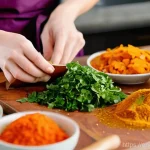
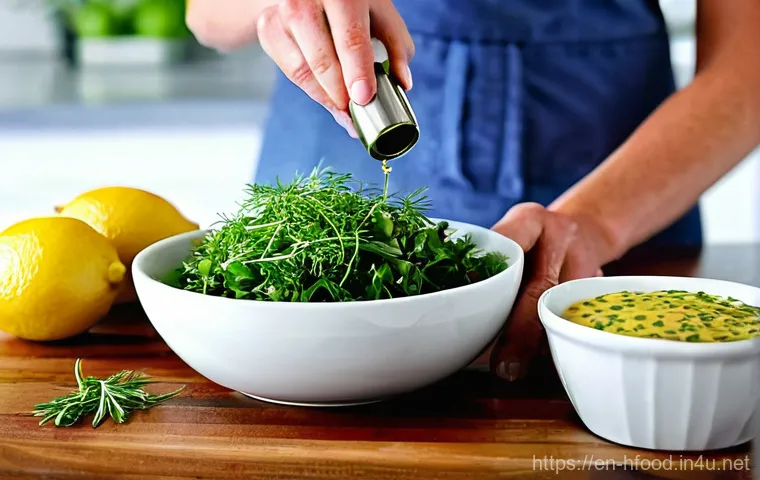
One of the absolute game-changers in my low-sodium dressing arsenal has been leaning heavily into acidity. Lemon juice, lime juice, apple cider vinegar, red wine vinegar, balsamic vinegar – these aren’t just for tang; they awaken your taste buds in a way that salt often mimics. A generous squeeze of fresh lemon juice can brighten up any dressing, making it taste incredibly fresh and zesty without a single extra milligram of sodium. And herbs? Oh my goodness, where do I even begin? Fresh dill, parsley, cilantro, chives, basil, oregano, thyme… each one brings its own distinct perfume and flavor profile. Finely chopped fresh herbs add an incredible layer of complexity and visual appeal. I’ve found that combining a couple of different herbs can create a truly dynamic dressing. For instance, a mix of fresh dill and chives with lemon and olive oil is simply heavenly on almost any salad. It’s about building layers of flavor through natural, wholesome ingredients that nourish your body while delighting your senses. This simple switch from salt-heavy reliance to herb and acid-driven flavor has been revolutionary for my cooking.
Spices and Aromatics: Your Flavor Allies
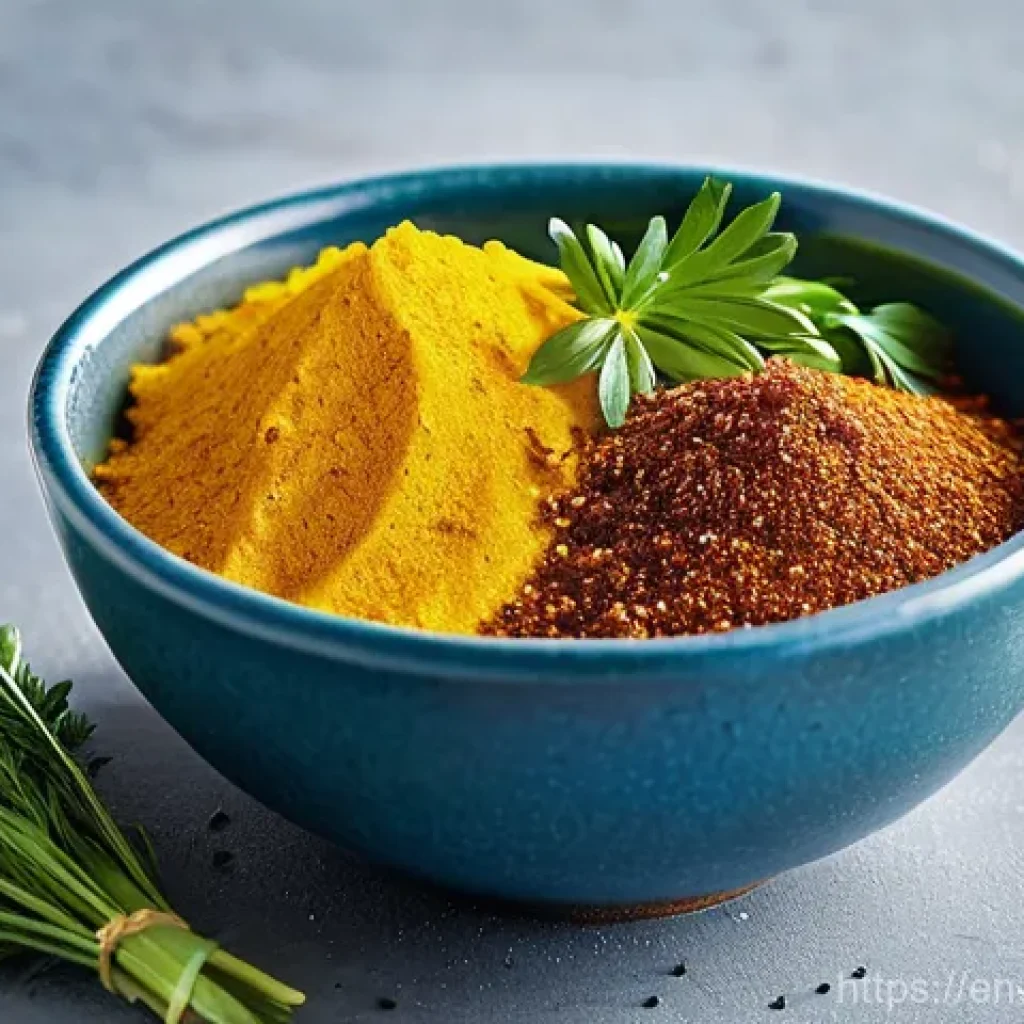
Beyond herbs, the world of spices and aromatics offers an endless playground for low-sodium dressing creation. Garlic, shallots, ginger, and onions, when finely minced or grated, provide a robust base of flavor. And then there are spices: black pepper, smoked paprika, cumin, coriander, turmeric, chili flakes… these can add warmth, depth, and an intriguing kick. I love a dressing with a hint of smoked paprika for a smoky, earthy note, or a pinch of cayenne pepper if I want a little heat. Remember, a little goes a long way with some of these stronger spices, so start small and taste as you go. Roasting garlic or shallots before incorporating them into your dressing can also unlock a sweeter, more mellow flavor that adds incredible richness without any added sodium. These ingredients aren’t just filler; they are the backbone of a truly flavorful dressing, allowing you to reduce or even eliminate added salt without ever feeling like you’re missing out on taste. It’s about embracing the natural deliciousness that these ingredients bring to the table.
My Kitchen Adventures: Crafting the Perfect Sodium-Conscious Vinaigrettes
I have to admit, there was a time when I thought making my own salad dressing was an intimidating culinary feat reserved for chefs. Store-bought was just… easier, right? But once I really committed to understanding what was in my food, especially with sodium, I realized that making dressings from scratch isn’t just easy; it’s empowering! It gives you complete control over every single ingredient, allowing you to fine-tune the flavors to your exact preference and ensure there are no hidden sources of sodium lurking in the bottle. My kitchen has become a kind of mad scientist lab for dressings, with jars of different vinegars, oils, and fresh produce all lined up, ready for experimentation. I’ve had some epic fails, sure – a vinaigrette that was far too acidic, a creamy dressing that just didn’t quite emulsify right – but with every attempt, I learned something new. The triumphs, though, are truly glorious. There’s an immense satisfaction in knowing you’ve whipped up a dressing that’s not only incredibly tasty but also genuinely good for you. It’s a small step, but it’s one that makes a huge difference in your overall health journey, and honestly, it’s a lot of fun to get creative in the kitchen!
Building a Basic Low-Sodium Vinaigrette
The foundation of almost any great low-sodium dressing starts with a good vinaigrette, and it’s surprisingly simple to master. The classic ratio is typically three parts oil to one part acid, but I often play with this depending on the intensity of my vinegar or citrus. My go-to base usually involves a high-quality extra virgin olive oil – the flavor profile truly makes a difference here – and then I choose my acid. Sometimes it’s balsamic for a richer, sweeter note, other times a crisp apple cider vinegar, or often, just fresh lemon juice. From there, it’s all about layering in the other flavors. A spoonful of Dijon mustard (check labels for low-sodium options!) acts as a fantastic emulsifier and adds a zesty kick. Then come the fresh aromatics: minced garlic, finely chopped shallots, and plenty of fresh herbs. A touch of sweetness from a tiny drizzle of maple syrup or honey can balance the acidity beautifully without overpowering the natural flavors. And a generous grinding of fresh black pepper is a must for that essential zing. Whisk it all together, and voilà! A dressing that tastes incredibly gourmet, yet you know exactly what’s in it.
Emulsifying for Creamy Perfection (Without the Cream!)
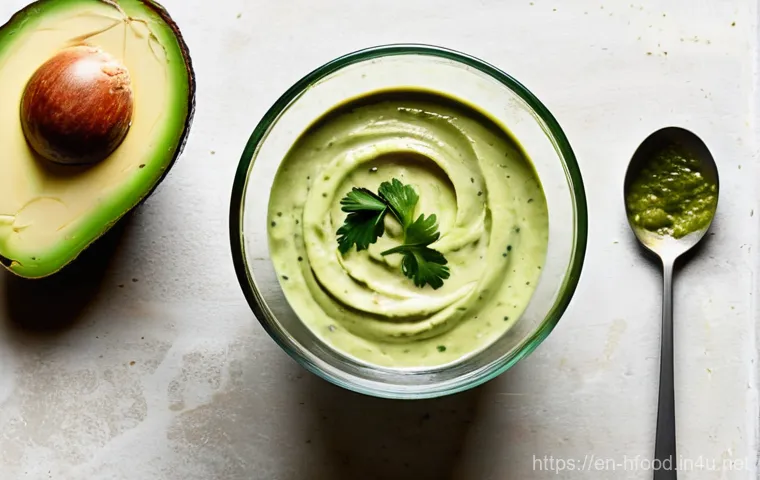
One of the biggest misconceptions about low-sodium dressings is that they can’t be creamy. Nonsense! I’ve found so many ingenious ways to achieve that lovely, velvety texture without resorting to heavy creams or processed ingredients that often contain hidden sodium. My absolute favorite trick? Avocado! Blended ripe avocado adds an incredible richness and silkiness that makes any dressing feel luxurious. Another fantastic option is tahini – its nutty, earthy flavor, combined with a little lemon juice and water, creates a wonderfully smooth and satisfying dressing that’s perfect for Mediterranean-inspired salads. And let’s not forget about pureed silken tofu or even cooked white beans; they can both add a fantastic body and creaminess, making your dressings incredibly satisfying and more substantial. The key is to blend these ingredients until completely smooth, ensuring no lumps. You’ll be amazed at the depth and texture you can achieve, turning your healthy salads into something truly indulgent without any guilt. This is where the magic truly happens, transforming simple ingredients into something extraordinary.
Beyond the Bottle: Why Homemade is Always Best for Your Heart
You know, for years, I just grabbed whatever dressing looked good off the supermarket shelf, never really giving a second thought to the ingredient list. “It’s just dressing,” I’d tell myself. But after I started paying closer attention to my health, particularly my heart health, I had a rude awakening. Many store-bought dressings, even those labeled “healthy” or “light,” are absolute sodium bombs. And it’s not just the sodium; they often contain added sugars, unhealthy fats, and a long list of artificial preservatives and stabilizers that I simply don’t want in my body. It felt like a betrayal! That’s when I decided to take matters into my own hands. Making my own dressings became a non-negotiable part of my healthy eating routine. It’s not just about avoiding the bad stuff; it’s about embracing the good. When you make it yourself, you’re using fresh, vibrant ingredients that are packed with nutrients, antioxidants, and pure, unadulterated flavor. Your heart will thank you for cutting out the excess sodium, and your taste buds will rejoice at the fresh, clean flavors. It’s a win-win, and honestly, the peace of mind that comes with knowing exactly what you’re fueling your body with is priceless.
Decoding Store-Bought Labels: A Sodium Minefield
If you absolutely *must* buy store-bought, then becoming a label-reading detective is your superpower. It’s amazing how much sodium can hide in seemingly innocuous products. I’ve learned to scan the “Nutrition Facts” panel immediately, looking for the sodium content per serving. Many dressings can easily pack 200-300mg or more of sodium in just two tablespoons, which quickly adds up, especially if you’re like me and tend to be a little generous with your pour! Also, look at the ingredients list. Words like “salt,” “sodium chloride,” “monosodium glutamate (MSG),” “sodium benzoate,” and “disodium phosphate” are all indicators of added sodium. Some brands are getting better at offering “low sodium” or “no added salt” options, but even then, it’s crucial to check the overall list. My rule of thumb is to look for dressings with less than 100mg of sodium per serving, if possible, but honestly, it’s a rare find. This is why I always circle back to the conclusion that homemade is the safest and most delicious bet for truly controlling your sodium intake.
The Cost-Benefit of DIY Dressings
Beyond the health benefits, let’s talk practicalities and economics. While buying a bottle of dressing seems cheaper upfront, when you break down the cost per serving and consider the quality of ingredients, homemade often wins out in the long run. Think about it: a good bottle of extra virgin olive oil, a quality vinegar, and a bunch of fresh herbs can make numerous batches of dressing. You’re not paying for fancy packaging, preservatives, or marketing; you’re paying for pure ingredients. Plus, you’re investing in your health, which is truly invaluable. I’ve found that having a few staple ingredients on hand makes whipping up a fresh batch incredibly quick and easy, saving me time and money compared to frequent trips to the store for specialty low-sodium options. It’s a small change in habit that yields significant returns, both for your wallet and your well-being. Once you get into the rhythm of it, you’ll realize how much sense it makes to create your own delicious, heart-healthy concoctions.
The Ingredient Playbook: Essential Swaps for a Healthier Drip
Part of the fun of this low-sodium dressing adventure has been discovering all the clever ingredient swaps that make healthy eating not just tolerable, but genuinely exciting. It’s like a culinary puzzle, finding ways to replace high-sodium items with equally, if not more, flavorful alternatives. For example, instead of relying on soy sauce, which is notoriously high in sodium, I’ve discovered coconut aminos. It has a similar umami depth but with significantly less sodium, and a slightly sweeter, milder flavor that works beautifully in Asian-inspired dressings. Nutritional yeast is another fantastic secret weapon; it offers a cheesy, savory flavor that can be a game-changer in creamy dressings, without any dairy or sodium. And for that elusive “salty” hit, a tiny pinch of kelp granules can sometimes provide a hint of ocean-like savoriness without being actual salt. It’s all about expanding your pantry and thinking outside the traditional flavor box. These swaps aren’t just about omission; they’re about addition – adding new and exciting dimensions to your dressings that you might never have discovered otherwise. Trust me, your taste buds will thank you for embracing these flavorful alternatives.
Umami Without the Sodium
Achieving that deep, savory umami flavor is often where people struggle when cutting down on salt. But fear not, there are incredible natural sources of umami that are naturally low in sodium! Mushrooms, particularly dried shiitake mushrooms rehydrated in hot water, create an incredibly rich broth that can be used as a base for dressings. Tomato paste, especially a good quality double-concentrated one, offers a profound umami sweetness. Roasted vegetables like bell peppers, carrots, or even sweet potatoes, when pureed, can add both body and a savory depth to your dressings. And don’t forget about seaweed, like a small amount of dulse flakes, which can give a subtle savory, oceanic note without being overpowering. These ingredients are culinary goldmines for adding complexity and richness without ever having to reach for the salt shaker. It’s about harnessing the power of nature’s own flavor enhancers to create truly memorable dressings that are both healthy and incredibly satisfying.
Sweeteners and Thickeners: Mindful Choices
When it comes to sweeteners, many store-bought dressings use high-fructose corn syrup or refined sugars. When I’m making dressings at home, I prefer to use natural, unrefined options in moderation. A tiny drizzle of pure maple syrup, honey, or even date syrup can balance the acidity of a vinaigrette beautifully, adding a subtle sweetness without being overwhelming. For thickening, beyond avocado and tahini, I sometimes use a tablespoon of chia seeds or ground flaxseeds, which absorb liquid and create a lovely, slightly gelled texture. These also add a boost of healthy omega-3s and fiber, which is an added bonus! Another trick is to simply reduce your dressing over very low heat for a short period, allowing it to naturally thicken and concentrate the flavors. It’s about being thoughtful with every ingredient choice, ensuring that each component contributes positively to the overall health and deliciousness of your dressing.
Smart Shopping: Navigating the Aisles for Low-Sodium Dressing Wins
Alright, so we’ve talked about making your own, but let’s be real – life gets busy! There are definitely times when I need a quick, reliable option from the store. And while my preference is always homemade, I’ve become quite adept at navigating the grocery store aisles to find the diamonds in the rough when it comes to low-sodium dressings. It requires a keen eye and a bit of patience, but it’s absolutely doable. The key isn’t just looking for “low sodium” on the front label; it’s about flipping that bottle over and scrutinizing the nutrition panel. I look for brands that prioritize whole ingredients and minimal processing. Some health food stores or specialty markets often carry a wider selection of dressings that cater to dietary restrictions, so don’t be afraid to venture beyond your usual supermarket. It’s an investment of time upfront, but once you find a few go-to brands, it makes future shopping trips so much easier. Remember, every little bit counts when it comes to managing sodium intake, so choosing wisely at the store can make a significant difference to your overall health goals. It’s all about making informed choices, even when you’re in a hurry.
Spotting the Hidden Culprits
Beyond the obvious “salt,” there are so many sneaky ways sodium can creep into store-bought products. Look out for ingredients like “soy sauce” (unless it’s a specific low-sodium version), “brine,” “disodium inosinate,” and anything with “sodium” in its name. Preservatives often contain sodium, too. Another major hidden source is cheese, especially hard cheeses like Parmesan, which are frequently used in creamy dressings. Even seemingly innocent ingredients like vegetable broth can be high in sodium if it’s not specifically labeled “low sodium” or “no salt added.” It’s a continuous learning process to identify these culprits, but once you become aware, you’ll start spotting them everywhere. My advice is to assume any processed ingredient might contain sodium until proven otherwise by the nutrition label. This vigilance is absolutely essential for anyone serious about significantly reducing their sodium intake and making truly heart-healthy choices.
The Rise of “No Salt Added” Options
The good news is that manufacturers are starting to catch on to the demand for healthier options. I’ve noticed a small but growing trend of brands offering genuinely “no salt added” or “very low sodium” dressings. These are gold! Often found in the organic or natural foods section, these dressings focus on flavor from herbs, spices, and quality oils and vinegars. When you find one, it’s worth investing in a bottle or two to keep on hand for those days when you just don’t have time to whisk up a batch from scratch. Always double-check the label, of course, to ensure it meets your specific dietary needs. It’s encouraging to see the industry responding to consumer demand for healthier choices, making it a little easier for us to maintain our health goals without feeling completely deprived. These options are a true lifesaver for convenience without compromise.
Elevating Your Greens: Pairing Dressings with Your Favorite Salads
One of the most enjoyable aspects of mastering low-sodium dressings is the creative freedom it gives you to elevate any salad from a simple side dish to a star attraction. It’s not just about dousing your greens; it’s about thoughtful pairing, matching the dressing’s flavor profile to the ingredients in your salad. A light, zesty lemon vinaigrette, for example, is perfect for delicate greens like mixed baby greens or arugula, especially when paired with fresh berries, goat cheese, and toasted nuts. For heartier salads with roasted vegetables, grains, or legumes, a more robust dressing – perhaps a tahini-based one with a hint of garlic and cumin, or a balsamic vinaigrette with some Dijon – can truly shine. I often think about the overall texture and taste components of my salad: am I looking for crunch? Creaminess? A spicy kick? The dressing is the final touch that brings all these elements together, creating a harmonious and utterly delicious experience. It’s a wonderful way to explore new flavor combinations and keep your healthy eating journey exciting and fresh.
Light and Zesty for Fresh Veggies
When I’m making a salad bursting with crisp, fresh vegetables – think cucumbers, bell peppers, cherry tomatoes, and crunchy lettuce – I always reach for a dressing that’s equally light and bright. A simple concoction of extra virgin olive oil, plenty of fresh lemon or lime juice, a touch of white wine vinegar, and a generous amount of chopped fresh dill or parsley is often all it takes. The goal here is to enhance the natural flavors of the vegetables, not to overpower them. Sometimes, a tiny bit of grated ginger can add an unexpected zing, especially if I’m adding some edamame or snap peas. These types of dressings are fantastic for summer salads or as a refreshing side to a heavier meal. They make your veggies sing and leave you feeling energized and satisfied, without any of the heaviness that sometimes comes with creamy, high-sodium dressings. It’s a testament to how simple, quality ingredients can create culinary magic.
Robust and Creamy for Heartier Fare
On the flip side, when I’m assembling a more substantial salad – perhaps one with grilled chicken or fish, roasted sweet potatoes, quinoa, or chickpeas – I tend to opt for dressings with more body and a richer flavor profile. This is where my tahini-lemon dressing really shines, especially with a bit of smoked paprika and a touch of maple syrup. An avocado-based dressing, blended with a little cilantro and lime, is also incredible on a Southwest-inspired salad with black beans and corn. For a Mediterranean touch, a dressing made with pureed roasted red peppers, olive oil, and a splash of red wine vinegar can be incredibly satisfying. These dressings provide the heft and flavor complexity needed to stand up to bolder ingredients, ensuring that every forkful is a truly satisfying experience. They transform a salad into a complete and comforting meal, demonstrating that healthy eating is anything but boring or restrictive.
The Unexpected Joy of Healthy Eating: Flavor Without Compromise
You know, honestly, when I started down this path of focusing on low-sodium eating, I was a bit skeptical. I thought it would be a constant battle against cravings and a perpetual search for “acceptable” alternatives. But what I’ve discovered, particularly through making my own low-sodium dressings, is a profound sense of culinary freedom and creativity. It’s not about restriction; it’s about expansion. It’s about opening your palate to a whole new world of flavors you might have overlooked before. I’ve found so much joy in experimenting with different herbs, spices, acids, and umami boosters, creating dressings that are not just healthy but genuinely more exciting and delicious than anything I used to buy. My salads have gone from being a routine healthy choice to a highlight of my meals, something I truly look forward to. This journey has transformed my relationship with food, proving that you can absolutely prioritize your health without ever having to compromise on taste. It’s a revelation, and one that I’m passionate about sharing with everyone!
Here’s a quick reference table for some fantastic low-sodium dressing components and their uses:
| Flavor Category | Low-Sodium Ingredients | Best For… |
|---|---|---|
| Acids/Zest | Fresh Lemon/Lime Juice, Apple Cider Vinegar, Red Wine Vinegar, Balsamic Vinegar, Citrus Zest | Brightening flavors, vinaigrettes, cutting richness |
| Aromatics | Fresh Garlic (minced/roasted), Shallots, Ginger (grated), Scallions, Onions | Building flavor foundations, adding pungent notes |
| Herbs | Dill, Parsley, Cilantro, Basil, Chives, Oregano, Thyme, Mint | Freshness, aromatic complexity, vibrant appeal |
| Spices | Black Pepper, Smoked Paprika, Cumin, Coriander, Turmeric, Chili Flakes, Garlic Powder (no salt) | Warmth, earthy notes, heat, depth of flavor |
| Umami Boosters | Tomato Paste, Nutritional Yeast, Coconut Aminos, Dried Mushroom Powder, Roasted Veggies (pureed) | Savory depth, meaty flavor without actual meat/salt |
| Creamy/Thickeners | Avocado (pureed), Tahini, Silken Tofu (pureed), White Beans (pureed), Dijon Mustard (low sodium) | Achieving smooth, rich textures, adding body |
DIY Dressings: Quick and Easy Recipes for Every Palate
I know what you might be thinking: “Recipes? That sounds like work!” But trust me, once you get the hang of a few basic formulas, whipping up your own low-sodium dressings becomes second nature, almost meditative. And the beauty is, these aren’t rigid recipes; they’re more like starting points, canvases for your own culinary creativity. I’ve found that having a few go-to dressing foundations in my repertoire makes healthy eating so much more accessible, even on the busiest of weeknights. It’s about empowering yourself in the kitchen, taking control of what goes into your body, and discovering just how incredibly simple it is to create something truly delicious and nourishing. These quick recipes are designed to be adaptable, encouraging you to taste as you go and adjust to your personal preference. Don’t be afraid to tweak an ingredient or add something new; that’s where the real magic of home cooking lies, in making it truly your own. You’ll be surprised at how quickly you become a dressing-making pro!
My Go-To Lemon-Herb Vinaigrette
This is my absolute staple, the workhorse of my low-sodium dressing collection. It’s incredibly versatile and pairs beautifully with almost any green salad, grilled vegetables, or even as a marinade for chicken or fish. To make it, I combine about 3 tablespoons of good quality extra virgin olive oil with 1.5 tablespoons of fresh lemon juice (key word: fresh!). Then I’ll add about 1 teaspoon of low-sodium Dijon mustard (check the label carefully!), a generous pinch of freshly ground black pepper, and then the star: a mix of finely chopped fresh herbs. My favorite combination is a tablespoon each of fresh dill and fresh chives, but parsley or a mix of Italian herbs works wonderfully too. Sometimes I’ll grate in a tiny clove of garlic if I’m feeling bold. Whisk it all together until it’s beautifully emulsified, and you’ve got a vibrant, zesty dressing that’s bursting with flavor without a single speck of added salt. It’s simple, elegant, and always a crowd-pleaser.
Creamy Tahini-Garlic Dressing with a Kick
For those days when I crave something a bit richer and more substantial, this tahini dressing is my absolute favorite. It’s incredibly satisfying and works perfectly on grain bowls, roasted vegetable salads, or even as a dipping sauce. I start with about 2 tablespoons of tahini (sesame paste) and then slowly whisk in 2 tablespoons of warm water until it becomes a smooth, slightly thickened consistency. This “blooming” of the tahini is crucial for creaminess! Next, I add 1.5 tablespoons of fresh lemon juice, a minced clove of garlic, a teaspoon of maple syrup (or honey for a slightly different sweetness), and a good half teaspoon of smoked paprika, plus a pinch of cayenne pepper if I want some heat. Freshly ground black pepper is a must here too. If it’s too thick, I’ll add a tiny bit more water until it reaches my desired consistency. This dressing is so deeply flavorful and has an amazing creamy texture that makes healthy eating feel truly indulgent. It’s a wonderful way to add a hearty, savory element to your greens.
Wrapping Up Our Flavor Journey
Well, we’ve covered a lot of ground today, haven’t we? From reimagining flavor to diving deep into the art of homemade low-sodium dressings, I hope you’ve felt as inspired as I always do when I talk about this. For me, this journey has truly transformed my kitchen and, more importantly, my health. It’s a testament to the fact that eating well doesn’t have to mean sacrificing taste or excitement. In fact, I’ve found it to be quite the opposite – a wonderful adventure of discovery where every fresh ingredient becomes a star. So, go ahead, get creative, and let your taste buds guide you to a world of delicious, heart-healthy dressings!
Good-to-Know Tidbits for Your Kitchen Adventures
1. Taste, Taste, Taste: This is my golden rule! When you’re making your own dressings, especially when reducing sodium, constantly taste and adjust. A little more acid, a pinch more spice, or a touch of sweetness can make all the difference. Your palate is your best guide, and it gets better with practice.
2. Invest in Quality Ingredients: You don’t need a gourmet pantry, but a good quality extra virgin olive oil, fresh citrus, and vibrant herbs will elevate your dressings immensely. Think of these as the foundational flavors – they really shine through when there’s less salt to mask them.
3. Storage Savvy: Homemade dressings, especially those with fresh garlic, herbs, or dairy-free creamy bases like avocado or tahini, usually last about 5-7 days in an airtight container in the refrigerator. Always give them a good shake or whisk before serving, as natural separation is normal.
4. Don’t Fear the Freezer (Sometimes): While most vinaigrettes don’t freeze well, some creamy, blended dressings (like those with roasted vegetables or beans) can actually be portioned and frozen for later use. Just thaw them slowly in the fridge and re-blend or whisk to restore consistency.
5. Read the Fine Print on Everything: Even if you’re committed to homemade, remember that ingredients like mustards, spices blends, and even some vinegars can contain hidden sodium. Make it a habit to check the nutrition labels on *all* your pantry staples – it’s a small step that makes a huge impact on your overall sodium intake.
Key Takeaways for a Healthier You
The biggest lesson I’ve learned, and what I truly want to impart to you, is that taking control of your food, starting with something as simple as salad dressing, is incredibly empowering. It’s about more than just reducing sodium; it’s about embracing real, whole ingredients, unleashing your culinary creativity, and nourishing your body with delicious, unadulterated flavors. You have the power to transform your meals into vibrant, heart-healthy experiences that excite your senses and contribute to your long-term well-being. So, go forth and whisk up some magic!
Frequently Asked Questions (FAQ) 📖
Q: What are the main benefits of choosing low-sodium salad dressings, and why should I care?
A: Oh, this is such a crucial question, and one I get asked a lot! Honestly, the benefits go way beyond just a number on a food label. Eating too much sodium can really impact your health, and cutting back, especially on something you consume regularly like salad dressing, can make a huge difference.
For starters, it’s a fantastic step towards managing or even preventing high blood pressure, which is a major risk factor for heart disease and stroke.
Think of it this way: excess sodium can cause your body to hold onto more water, increasing the volume of blood in your arteries, making your heart work harder.
By reducing that sodium, you’re essentially giving your heart a much-needed break. I’ve personally felt a noticeable difference in my energy levels and just a general feeling of lightness since I started paying attention to sodium.
Plus, your kidneys will thank you! They play a vital role in filtering waste, and a high sodium intake puts extra strain on them. Less sodium means they don’t have to work as hard to remove excess fluid from your body.
Some studies even suggest a link between lower sodium intake and stronger bones, as well as a reduced risk of certain cancers. It’s a win-win for your overall well-being!
Q: I’m worried that low-sodium dressings will taste bland and boring. How can I make them flavorful without relying on salt?
A: This was my exact fear for the longest time, and I totally get it! I used to think cutting salt meant condemning my salads to a life of utter blandness.
But let me tell you, that couldn’t be further from the truth. The secret lies in embracing a whole new world of flavor boosters! Forget about just salt and pepper; think vibrant acidity, aromatic herbs, and a touch of natural sweetness.
Citrus juices, like lemon and lime, are absolute game-changers, adding a zesty punch that brightens everything up. Vinegars – balsamic, apple cider, red wine – also bring incredible depth and tang.
Don’t underestimate the power of fresh or dried herbs like oregano, basil, thyme, or Italian seasoning; they inject so much life into a dressing. And garlic and onion, whether fresh or powdered, are fantastic aromatics that build a flavorful base.
I’ve found that a little Dijon mustard (check for low-sodium versions!) can add a wonderful emulsifying quality and a subtle kick, while a touch of honey or maple syrup can balance out the acidity beautifully.
It’s all about layering those flavors! Trust me, with these ingredients, you won’t miss the salt one bit.
Q: Can you share some easy, go-to low-sodium salad dressing ideas that are quick to whip up at home?
A: Absolutely! I’ve got a few favorites that are practically staples in my kitchen and are ridiculously easy to make. My number one recommendation is a classic vinaigrette, but with a twist.
Start with a good quality extra virgin olive oil and pair it with a flavorful vinegar like white balsamic or red wine vinegar. For the flavor punch, skip the salt shaker and go for freshly minced garlic, a squeeze of fresh lemon juice, and a generous sprinkle of dried Italian herbs.
A tiny bit of Dijon mustard can help emulsify it and add a nice zing. You can even add a touch of honey or maple syrup if you like a little sweetness.
Another winner is a creamy avocado dressing. Just blend ripe avocado with lime juice, a hint of garlic powder, cilantro, and enough water to reach your desired consistency.
It’s rich, satisfying, and completely salt-free! For something a bit different, I love a sweet onion vinaigrette. Blend a sweet onion (like Vidalia) with apple cider vinegar, a little honey, whole grain mustard, garlic, and olive oil until smooth and creamy.
These aren’t just “good for low-sodium,” they’re genuinely delicious dressings that my friends and family rave about! Making your own means you’re in full control of every ingredient, and it’s so much more rewarding than anything store-bought.