Okay, here’s a blog-style introduction about comparing vegan bakery brands:The world of vegan baking has exploded! It’s no longer just about sad, dry substitutions – we’re talking decadent cupcakes, flaky croissants, and even perfectly chewy cookies, all without any animal products.
Navigating this delicious landscape can feel overwhelming, though. Which brand consistently delivers on taste and texture? Which is pushing the boundaries with innovative ingredients and sustainable practices?
I’ve personally sampled treats from quite a few, and trust me, some are definitely worth the hype while others… well, let’s just say they taught me a valuable lesson about reading reviews!
The rise of plant-based eating isn’t a fleeting trend; it’s a movement. Expect to see even more vegan bakeries popping up, experimenting with techniques like aquafaba meringue and cashew-based cream cheese frosting.
It’s also crucial to see these bakeries adopt sustainable packaging. We’ll dive deeper into some standout brands and what makes them special. Let’s get the facts straight!
Navigating the Delicious World of Vegan Bakeries: A Taste Test AdventureChoosing the right vegan bakery can feel like a quest for the holy grail of plant-based desserts.
You want something that’s not only ethical but also incredibly delicious, satisfying those cravings without compromise. After taste-testing a number of brands, I’ve encountered some truly exceptional treats and a few that, well, let’s just say they didn’t quite hit the mark.
Let’s explore some brands that offer amazing treats:
The Rise of Dedicated Vegan Bakeries: More Than Just Substitutes
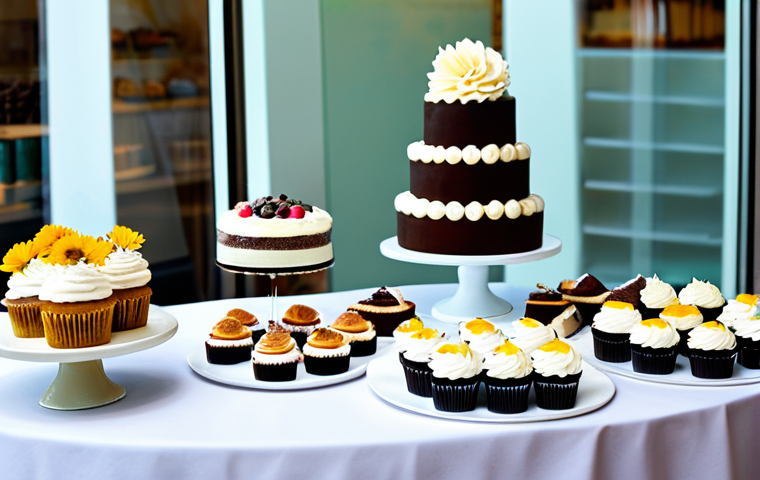
Dedicated vegan bakeries are popping up everywhere, signifying a significant shift in the food industry. These establishments go beyond merely substituting ingredients; they are crafting innovative recipes that celebrate plant-based eating.
This surge is fueled by a growing awareness of ethical and environmental concerns. These bakeries have refined their processes, and often use locally sourced ingredients.
For example, many are now using innovative ingredients, like aquafaba, a byproduct of chickpea canning, as an alternative to egg whites. This commitment to sustainability and culinary innovation positions these bakeries as leaders in the industry.
The Art of Perfecting Vegan Textures: Mastering Moisture and Structure
Achieving the perfect texture in vegan baking is an art form. Without traditional ingredients like eggs and dairy, bakers must employ creative techniques to maintain moisture and structure.
For example, using apple sauce or mashed bananas can add moisture, while ingredients like flaxseed meal or chia seeds mixed with water can act as binders.
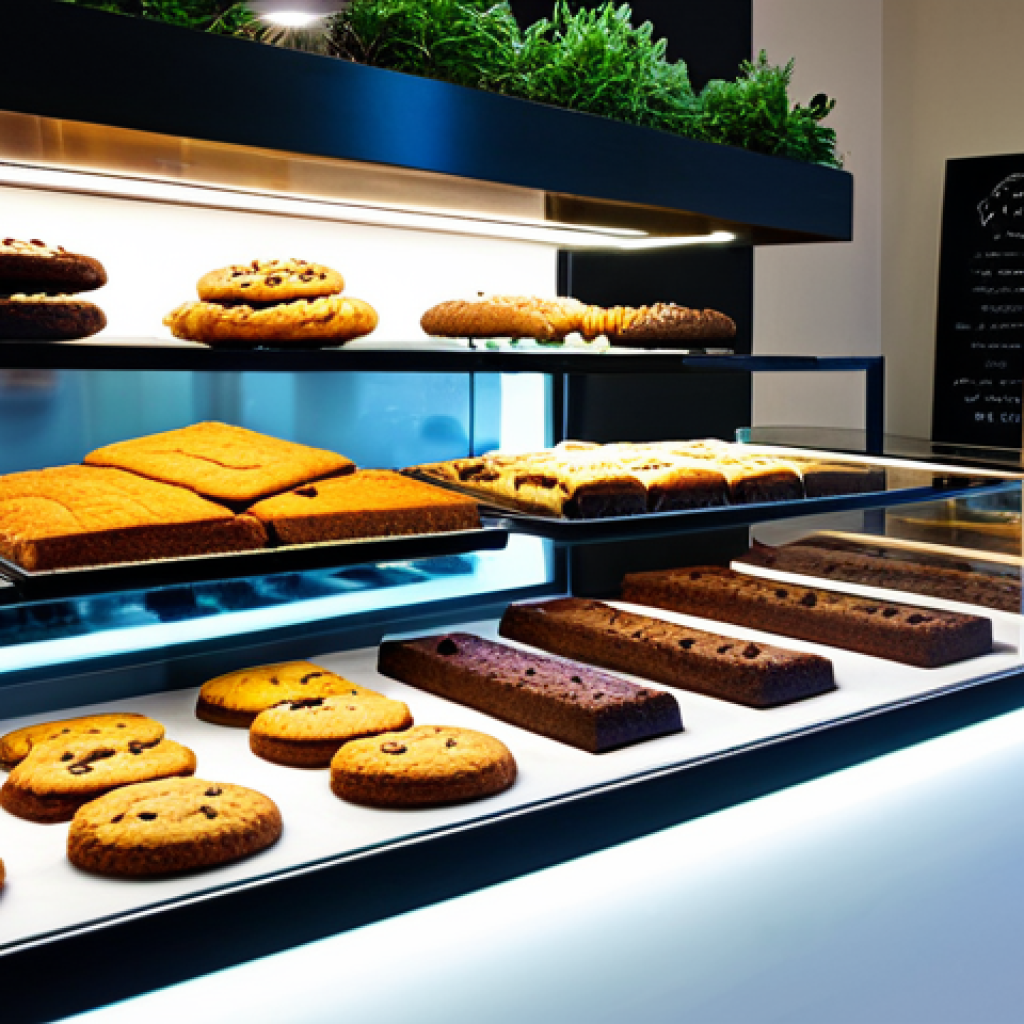
Bakers are also experimenting with different types of flours, such as almond flour or oat flour, to achieve specific textures. One brand I tried, “Plantiful Sweets”, uses a combination of tapioca starch and potato starch in their gluten-free brownies to achieve a chewy, fudgy texture that rivals traditional recipes.
It’s this kind of meticulous attention to detail that sets apart the truly exceptional vegan bakeries. The Great Gluten-Free Divide: Finding Delicious Options for Every DietFor those with gluten sensitivities, finding delicious vegan baked goods can be doubly challenging.
Luckily, many bakeries now offer a range of gluten-free vegan options, using alternative flours and starches to create delectable treats that cater to various dietary needs.
Gluten-Free Flour Blends: The Key to Success
The secret to great gluten-free vegan baking often lies in the flour blend. Many bakeries create their own proprietary blends, combining ingredients like brown rice flour, tapioca starch, and almond flour to achieve the right balance of texture and flavor.
Experimenting with different ratios is crucial, as each flour behaves differently and can impact the final result. A popular gluten-free vegan bakery, “Sensitive Sweets”, has perfected their flour blend.
Their cakes have a tender crumb and a light, airy texture.
Navigating Cross-Contamination Concerns: Safety First
Cross-contamination is a major concern for those with celiac disease or severe gluten allergies. Many dedicated vegan bakeries take extra precautions to prevent cross-contamination, such as using separate equipment and work surfaces.
However, it’s always best to inquire about their protocols before placing an order, especially if you have a severe allergy. Don’t be afraid to ask questions about their preparation methods and sourcing of ingredients.
A reputable bakery will be transparent and happy to provide detailed information. The Indulgence Factor: Balancing Health and DecadenceVegan baked goods can be incredibly decadent and satisfying, but it’s important to remember that they are still treats.
While many vegan recipes incorporate healthier ingredients like whole grains, nuts, and seeds, they can also be high in sugar and fat.
The Role of Natural Sweeteners: Honey vs. Maple Syrup vs. Agave
Many vegan bakeries use natural sweeteners like maple syrup, agave nectar, or coconut sugar instead of refined sugar. While these sweeteners may have a lower glycemic index or contain trace minerals, they are still sources of sugar and should be consumed in moderation.
Some brands, like “Sweet Freedom Bakery,” use date paste or fruit purees to sweeten their treats, adding fiber and nutrients. It’s all about finding a balance that aligns with your individual health goals.
Portion Control and Mindful Eating: Savoring Every Bite
One of the best ways to enjoy vegan baked goods without derailing your health goals is to practice portion control and mindful eating. Instead of devouring an entire cupcake in one sitting, savor each bite and pay attention to the flavors and textures.
Sharing with friends or family can also help you enjoy treats in moderation. It’s about indulging in a way that nourishes your body and your soul. The Ethical Consideration: Ingredients and SustainabilityVeganism is rooted in ethical considerations, so it’s important to consider the ingredients and sustainability practices of the bakeries you support.
Are they using fair-trade chocolate? Are they sourcing their ingredients locally? Are they minimizing their environmental impact?
Sustainable Sourcing: Supporting Local Farmers and Businesses
Supporting bakeries that prioritize local and sustainable sourcing can have a positive impact on the environment and the community. Look for bakeries that partner with local farmers and businesses to source their ingredients.
This not only reduces their carbon footprint but also supports the local economy. “Green Goodies” is a bakery in NYC that works with farms in upstate NY and the ingredients used are seasonal.
They have successfully minimized their environmental impact.
Packaging and Waste Reduction: Minimizing Environmental Impact
Sustainable packaging is another important consideration. Look for bakeries that use eco-friendly packaging materials, such as recycled paperboard or compostable containers.
Some bakeries even offer discounts for customers who bring their own containers. Every little bit helps in reducing waste and protecting the environment.
Price vs. Value: Are Vegan Treats Worth the Splurge? Vegan baked goods often come with a higher price tag than their conventional counterparts.
This is due to the higher cost of ingredients, as well as the specialized knowledge and techniques required to create delicious vegan treats.
Understanding Ingredient Costs: The Impact on Pricing
Ingredients like almond flour, vegan butter, and natural sweeteners can be significantly more expensive than traditional ingredients like wheat flour, dairy butter, and refined sugar.
These higher costs are often reflected in the price of vegan baked goods. It’s important to understand the factors that contribute to pricing before making a judgment about value.
Supporting Small Businesses: Investing in Quality and Craftsmanship
When you purchase vegan baked goods from small, independent bakeries, you’re not just buying a treat; you’re investing in quality, craftsmanship, and the livelihood of passionate bakers.
These small businesses often pour their heart and soul into creating unique and delicious products, and your support helps them thrive. You’re not just buying food; you’re supporting a dream.
| Bakery Brand | Specialty | Gluten-Free Options | Price Range | Sustainability Focus |
|---|---|---|---|---|
| Plantiful Sweets | Brownies, Cookies | Yes | $$ | Recycled packaging |
| Sensitive Sweets | Cakes, Cupcakes | Yes | $$$ | Dedicated gluten-free kitchen |
| Sweet Freedom Bakery | Cakes, Muffins | Yes | $$ | Natural sweeteners |
| Green Goodies | Seasonal pastries | Limited | $$$ | Local and sustainable sourcing |
Navigating the realm of vegan bakeries is like embarking on a delicious adventure, full of unexpected delights and discoveries. Whether you’re driven by ethical considerations, dietary restrictions, or simply a love for innovative desserts, the world of plant-based baking offers something for everyone.
The Rise of Dedicated Vegan Bakeries: More Than Just Substitutes
Dedicated vegan bakeries are popping up everywhere, signifying a significant shift in the food industry. These establishments go beyond merely substituting ingredients; they are crafting innovative recipes that celebrate plant-based eating. This surge is fueled by a growing awareness of ethical and environmental concerns. These bakeries have refined their processes, and often use locally sourced ingredients. For example, many are now using innovative ingredients, like aquafaba, a byproduct of chickpea canning, as an alternative to egg whites. This commitment to sustainability and culinary innovation positions these bakeries as leaders in the industry.
The Art of Perfecting Vegan Textures: Mastering Moisture and Structure
Achieving the perfect texture in vegan baking is an art form. Without traditional ingredients like eggs and dairy, bakers must employ creative techniques to maintain moisture and structure. For example, using apple sauce or mashed bananas can add moisture, while ingredients like flaxseed meal or chia seeds mixed with water can act as binders. Bakers are also experimenting with different types of flours, such as almond flour or oat flour, to achieve specific textures. One brand I tried, “Plantiful Sweets”, uses a combination of tapioca starch and potato starch in their gluten-free brownies to achieve a chewy, fudgy texture that rivals traditional recipes. It’s this kind of meticulous attention to detail that sets apart the truly exceptional vegan bakeries.
The Great Gluten-Free Divide: Finding Delicious Options for Every Diet
For those with gluten sensitivities, finding delicious vegan baked goods can be doubly challenging. Luckily, many bakeries now offer a range of gluten-free vegan options, using alternative flours and starches to create delectable treats that cater to various dietary needs.
Gluten-Free Flour Blends: The Key to Success
The secret to great gluten-free vegan baking often lies in the flour blend. Many bakeries create their own proprietary blends, combining ingredients like brown rice flour, tapioca starch, and almond flour to achieve the right balance of texture and flavor. Experimenting with different ratios is crucial, as each flour behaves differently and can impact the final result. A popular gluten-free vegan bakery, “Sensitive Sweets”, has perfected their flour blend. Their cakes have a tender crumb and a light, airy texture.
Navigating Cross-Contamination Concerns: Safety First
Cross-contamination is a major concern for those with celiac disease or severe gluten allergies. Many dedicated vegan bakeries take extra precautions to prevent cross-contamination, such as using separate equipment and work surfaces. However, it’s always best to inquire about their protocols before placing an order, especially if you have a severe allergy. Don’t be afraid to ask questions about their preparation methods and sourcing of ingredients. A reputable bakery will be transparent and happy to provide detailed information.
The Indulgence Factor: Balancing Health and Decadence
Vegan baked goods can be incredibly decadent and satisfying, but it’s important to remember that they are still treats. While many vegan recipes incorporate healthier ingredients like whole grains, nuts, and seeds, they can also be high in sugar and fat.
The Role of Natural Sweeteners: Honey vs. Maple Syrup vs. Agave
Many vegan bakeries use natural sweeteners like maple syrup, agave nectar, or coconut sugar instead of refined sugar. While these sweeteners may have a lower glycemic index or contain trace minerals, they are still sources of sugar and should be consumed in moderation. Some brands, like “Sweet Freedom Bakery,” use date paste or fruit purees to sweeten their treats, adding fiber and nutrients. It’s all about finding a balance that aligns with your individual health goals.
Portion Control and Mindful Eating: Savoring Every Bite
One of the best ways to enjoy vegan baked goods without derailing your health goals is to practice portion control and mindful eating. Instead of devouring an entire cupcake in one sitting, savor each bite and pay attention to the flavors and textures. Sharing with friends or family can also help you enjoy treats in moderation. It’s about indulging in a way that nourishes your body and your soul.
The Ethical Consideration: Ingredients and Sustainability
Veganism is rooted in ethical considerations, so it’s important to consider the ingredients and sustainability practices of the bakeries you support. Are they using fair-trade chocolate? Are they sourcing their ingredients locally? Are they minimizing their environmental impact?
Sustainable Sourcing: Supporting Local Farmers and Businesses
Supporting bakeries that prioritize local and sustainable sourcing can have a positive impact on the environment and the community. Look for bakeries that partner with local farmers and businesses to source their ingredients. This not only reduces their carbon footprint but also supports the local economy. “Green Goodies” is a bakery in NYC that works with farms in upstate NY and the ingredients used are seasonal. They have successfully minimized their environmental impact.
Packaging and Waste Reduction: Minimizing Environmental Impact
Sustainable packaging is another important consideration. Look for bakeries that use eco-friendly packaging materials, such as recycled paperboard or compostable containers. Some bakeries even offer discounts for customers who bring their own containers. Every little bit helps in reducing waste and protecting the environment.
Price vs. Value: Are Vegan Treats Worth the Splurge?
Vegan baked goods often come with a higher price tag than their conventional counterparts. This is due to the higher cost of ingredients, as well as the specialized knowledge and techniques required to create delicious vegan treats.
Understanding Ingredient Costs: The Impact on Pricing
Ingredients like almond flour, vegan butter, and natural sweeteners can be significantly more expensive than traditional ingredients like wheat flour, dairy butter, and refined sugar. These higher costs are often reflected in the price of vegan baked goods. It’s important to understand the factors that contribute to pricing before making a judgment about value.
Supporting Small Businesses: Investing in Quality and Craftsmanship
When you purchase vegan baked goods from small, independent bakeries, you’re not just buying a treat; you’re investing in quality, craftsmanship, and the livelihood of passionate bakers. These small businesses often pour their heart and soul into creating unique and delicious products, and your support helps them thrive. You’re not just buying food; you’re supporting a dream.
| Bakery Brand | Specialty | Gluten-Free Options | Price Range | Sustainability Focus |
|---|---|---|---|---|
| Plantiful Sweets | Brownies, Cookies | Yes | $$ | Recycled packaging |
| Sensitive Sweets | Cakes, Cupcakes | Yes | $$$ | Dedicated gluten-free kitchen |
| Sweet Freedom Bakery | Cakes, Muffins | Yes | $$ | Natural sweeteners |
| Green Goodies | Seasonal pastries | Limited | $$$ | Local and sustainable sourcing |
In Conclusion
Exploring vegan bakeries opens up a world of delightful possibilities, blending ethical choices with culinary artistry. Remember to consider factors like ingredients, sustainability practices, and your personal dietary needs to find the perfect spot for your sweet cravings. Each bakery has a unique story to tell through its creations, so take the time to discover your favorites and support their mission. Ultimately, enjoying vegan treats is about savoring the experience and making conscious choices that align with your values.
Useful Information to Know
1. Vegan Butter Brands: Miyoko’s Kitchen Cultured Vegan Butter is a popular choice for its rich flavor and texture, closely resembling dairy butter.
2. Egg Replacers: Aquafaba (chickpea brine), flax eggs (flaxseed meal mixed with water), and commercial egg replacers are commonly used in vegan baking.
3. Local Farmers’ Markets: Check your local farmers’ markets for vegan bakers offering fresh, seasonal treats and supporting local agriculture.
4. Online Vegan Communities: Join online vegan communities for recommendations and reviews of vegan bakeries in your area.
5. DIY Vegan Baking: Experiment with vegan baking at home using online recipes and readily available plant-based ingredients.
Key Takeaways
Prioritize bakeries that use sustainable and ethically sourced ingredients.
Don’t hesitate to ask about cross-contamination protocols if you have allergies.
Support small, independent vegan bakeries to invest in quality and craftsmanship.
Practice mindful eating and portion control to balance indulgence with health goals.
Explore gluten-free options if you have dietary restrictions.
Frequently Asked Questions (FAQ) 📖
Q: What are some key things to look for when choosing a vegan bakery brand?
A: Honestly, it’s all about the taste, texture, and ingredients. Does the cupcake actually taste like a cupcake, or is it just a crumbly mess? Is the croissant flaky or dense?
I always check ingredient lists for quality; are they using real vanilla or artificial flavoring? Also, keep an eye out for bakeries that are transparent about their sourcing and use sustainable packaging.
A bakery’s online reviews and social media presence can offer valuable insight too.
Q: Are vegan baked goods generally healthier than traditional baked goods?
A: Not necessarily. Just because something is vegan doesn’t automatically make it healthy. Vegan baked goods can still be high in sugar, processed fats, and refined flours.
The absence of dairy and eggs can sometimes lead to an increased reliance on these other ingredients to achieve the desired taste and texture. Look for brands that prioritize whole grains, natural sweeteners, and healthier fats like coconut oil or avocado oil if you’re concerned about nutrition.
Q: Where can I find reliable reviews of vegan bakery brands?
A: Besides the usual suspects like Yelp and Google Reviews, I find a lot of helpful info on vegan-specific blogs and social media accounts. Look for accounts that focus on plant-based food and lifestyle; often, they’ll have detailed reviews and recommendations.
And don’t underestimate the power of word-of-mouth! Ask your vegan friends or local online communities for their favorite spots – personal recommendations are often the most trustworthy.
📚 References
Wikipedia Encyclopedia