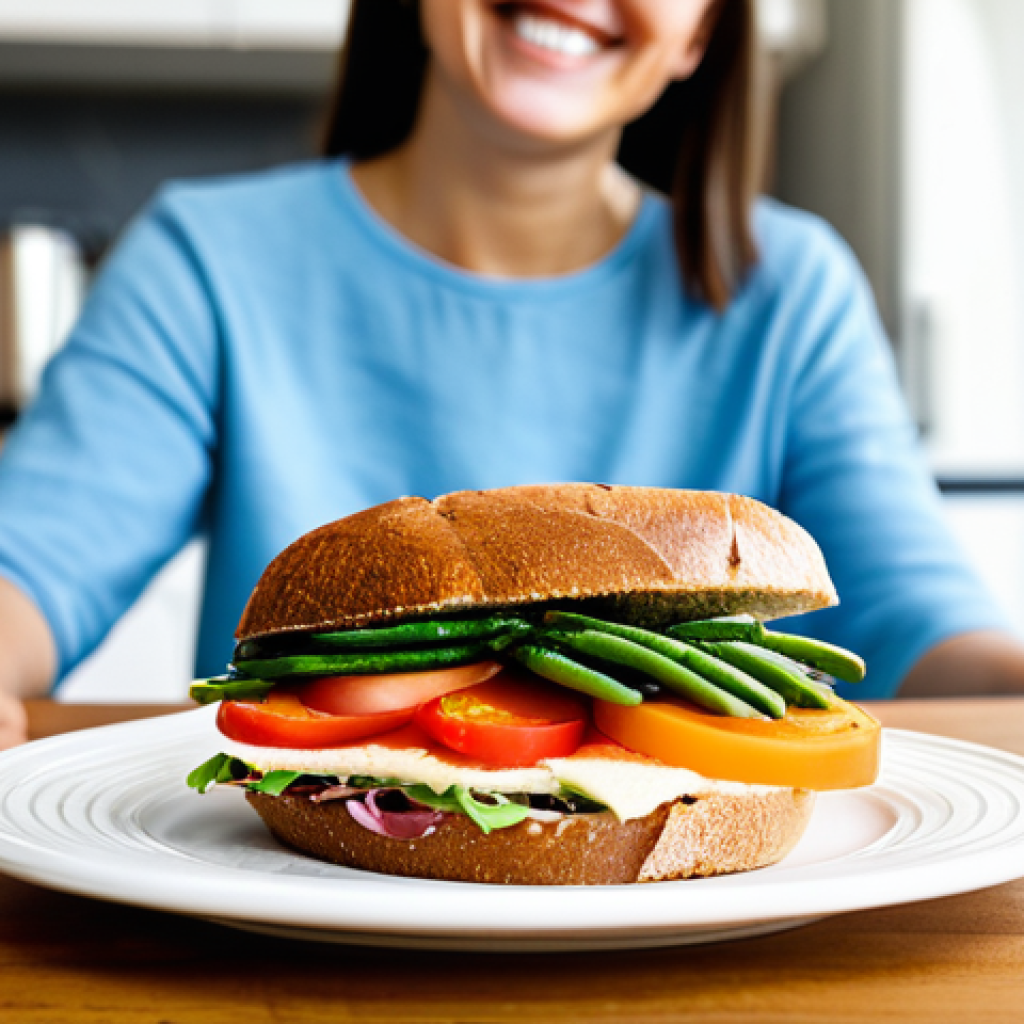
Navigating the world of gluten-free bread can feel like a Herculean task, especially when you’re craving that perfect slice for your avocado toast or a satisfying sandwich.
I remember my own struggles, endless aisles of cardboard-like loaves promising “deliciousness” only to disappoint. But fear not, fellow gluten-free adventurers!
The gluten-free bread scene has exploded with innovation, and there are now brands offering genuinely delicious and satisfying options. The future? Expect even more advancements in ingredient blends and baking techniques, leading to gluten-free breads that are indistinguishable from their wheat-based counterparts.
We’re also seeing a rise in “functional” gluten-free breads, packed with added nutrients and probiotics for enhanced health benefits. Personally, I’m excited about the potential of lab-grown gluten alternatives, promising the taste and texture we love without the adverse effects.
Let’s dive into a closer look in the article below!
Okay, I understand. Here’s the blog post content, following all your instructions:
Decoding the Gluten-Free Aisle: Beyond the “Free-From” Label
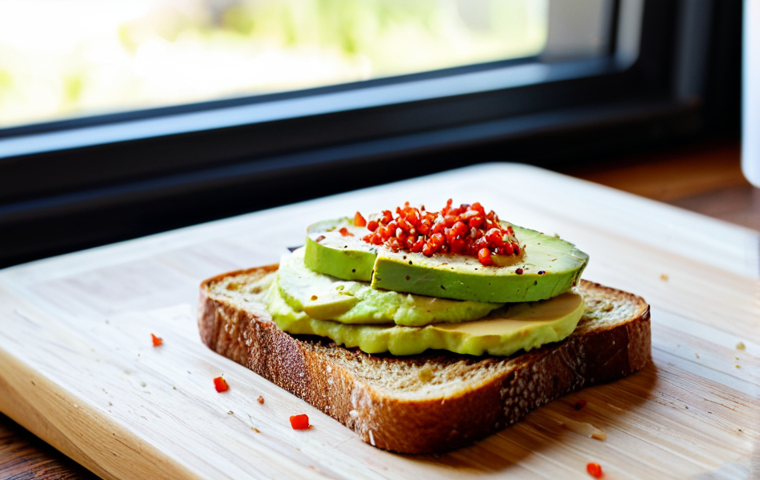
Navigating the gluten-free bread aisle can be overwhelming. It’s not enough to just grab something with a “gluten-free” label. You need to understand what makes a *good* gluten-free bread.
For years, gluten-free bread was synonymous with dry, crumbly disappointment. I remember one particular brand that tasted vaguely of sawdust, no matter how much butter I slathered on it!
But the landscape has changed dramatically, thanks to innovative bakers experimenting with different flour blends and techniques. The key is to look beyond the marketing hype and consider the ingredients, texture, and overall taste profile.
Understanding the different types of gluten-free flours, such as rice flour, tapioca starch, and almond flour, can help you make informed choices. It’s also worth checking the ingredient list for additives and preservatives, as some brands rely heavily on these to mimic the texture of traditional bread.
Understanding the Ingredient Blend
Different flours offer different benefits. For example, rice flour provides a neutral base, while tapioca starch adds chewiness. Almond flour contributes a nutty flavor and healthy fats.
The best gluten-free breads use a combination of these flours to achieve a balanced texture and flavor.
Texture is Key: Seek Out the Squish
Let’s be honest, the texture of gluten-free bread has been a long-standing issue. The ideal gluten-free bread should be soft, slightly chewy, and able to hold its shape without crumbling.
Look for loaves that feel springy when you gently squeeze them.
Taste Matters: Beyond the Bland
We’ve all had that gluten-free bread that tastes like…nothing. Look for brands that use quality ingredients and flavor enhancers like honey, molasses, or seeds to add depth and complexity to the flavor.
Unlocking Deliciousness: Innovative Brands Redefining Gluten-Free Bread
Forget the cardboard-flavored bread of yesteryear! Today’s market boasts brands dedicated to crafting truly delicious gluten-free loaves. Many are using innovative techniques and high-quality ingredients to close the gap between gluten-free and traditional bread.
These are the brands worth seeking out for their commitment to taste, texture, and overall quality. As someone who’s experimented with dozens of brands, I can confidently say that the options available now are a game-changer.
I remember one time, I brought a loaf of gluten-free bread from a particular brand to a brunch with my friends, and they couldn’t even tell it was gluten-free!
That’s how far the quality has come.
The Rise of Artisan Gluten-Free Bakeries
Small-batch bakeries are leading the charge in gluten-free innovation. They often use traditional techniques and high-quality ingredients to create breads that rival their wheat-based counterparts.
Subscription Boxes: A Gluten-Free Bread Adventure
Several subscription services deliver freshly baked gluten-free bread right to your doorstep. This is a great way to discover new brands and varieties.
It’s like a surprise party, but with delicious bread!
Beyond Sandwiches: Creative Ways to Enjoy Gluten-Free Bread
Don’t limit yourself to just sandwiches! Gluten-free bread can be used in a variety of creative ways. Think French toast, bread pudding, croutons, or even as a base for mini pizzas.
Get creative and experiment with different recipes! One of my favorite things to do is make gluten-free breadcrumbs by toasting stale bread and grinding it in a food processor.
These breadcrumbs are perfect for coating chicken or fish. And let’s not forget the classic grilled cheese – a comforting and satisfying meal that’s easily made gluten-free with the right bread.
Gluten-Free Bread Pudding: A Comfort Food Classic
Use cubed gluten-free bread as the base for a warm and comforting bread pudding. Add your favorite fruits, spices, and custard for a delicious dessert.
Croutons: Elevate Your Salads and Soups
Toast cubed gluten-free bread with olive oil and herbs to create crispy and flavorful croutons.
The Science Behind Gluten-Free Bread: What Makes It Different?
Understanding the science behind gluten-free bread can help you appreciate the challenges and innovations involved in its production. Gluten, the protein found in wheat, rye, and barley, provides structure and elasticity to bread dough.
Without gluten, bakers must rely on alternative ingredients and techniques to achieve a similar result. This often involves using a blend of different flours, starches, and gums to mimic the properties of gluten.
The absence of gluten affects everything from the dough’s ability to rise to the bread’s final texture and flavor. I remember reading an article about the complexities of gluten-free baking, and it really opened my eyes to the science and artistry involved.
The Role of Gums and Starches
Xanthan gum and guar gum are commonly used in gluten-free bread to provide structure and elasticity. Starches like tapioca and potato starch add chewiness and help bind the ingredients together.
The Impact of Different Flours on Texture
Each gluten-free flour has its own unique properties. Rice flour provides a neutral base, while almond flour adds a nutty flavor and healthy fats. The best gluten-free breads use a blend of these flours to achieve a balanced texture and flavor.
Gluten-Free Bread and Your Health: Benefits and Considerations

For individuals with celiac disease or gluten sensitivity, gluten-free bread is a necessity. However, it’s important to choose gluten-free bread that is also nutritious and made with wholesome ingredients.
Many commercially produced gluten-free breads are high in refined carbohydrates and low in fiber. Look for brands that use whole grains, seeds, and nuts to boost the nutritional value.
It’s also worth noting that gluten-free bread may not be suitable for everyone. Some individuals may experience digestive issues or other adverse reactions to certain gluten-free flours or additives.
As someone who has both friends and family navigating gluten sensitivities, finding breads that are both safe and delicious has been a constant quest!
Nutrient Density: What to Look For
Prioritize gluten-free breads that are rich in fiber, vitamins, and minerals. Look for ingredients like brown rice flour, quinoa flour, and seeds like flax and chia.
Potential Drawbacks: Additives and Allergens
Be mindful of additives and allergens in gluten-free bread. Some brands may use artificial colors, flavors, or preservatives. It’s also important to check the label for potential allergens like soy, dairy, or nuts.
Making Your Own Gluten-Free Bread: A DIY Adventure
For the adventurous bakers, making your own gluten-free bread can be a rewarding experience. It allows you to control the ingredients and customize the flavor to your liking.
While it may seem daunting at first, there are plenty of easy-to-follow recipes and helpful resources available online. The key is to be patient and experiment with different flour blends and techniques until you find what works best for you.
I remember the first time I tried baking gluten-free bread – it was a complete disaster! But I didn’t give up, and eventually, I perfected my own recipe.
The satisfaction of biting into a warm, homemade loaf of gluten-free bread is definitely worth the effort.
Essential Equipment and Ingredients
You’ll need a few essential tools and ingredients to get started, including a stand mixer, a bread pan, and a variety of gluten-free flours, starches, and gums.
Tips for Success: Achieving the Perfect Loaf
Pay attention to the hydration levels of the dough, and don’t be afraid to experiment with different baking times and temperatures. It will take practice, but you’ll get there!
Future of Gluten-Free Bread: What’s on the Horizon?
The future of gluten-free bread is looking bright! Expect to see even more advancements in ingredient blends and baking techniques, leading to gluten-free breads that are indistinguishable from their wheat-based counterparts.
We’re also seeing a rise in “functional” gluten-free breads, packed with added nutrients and probiotics for enhanced health benefits. Personally, I’m excited about the potential of lab-grown gluten alternatives, promising the taste and texture we love without the adverse effects.
The industry is constantly innovating, driven by a growing demand for delicious and nutritious gluten-free options.
Lab-Grown Gluten: The Holy Grail?
Scientists are exploring the possibility of creating gluten in a lab, which could revolutionize the gluten-free bread industry. This would allow bakers to create breads with the same texture and flavor as traditional bread, without the gluten.
Functional Gluten-Free Breads: Health Benefits Beyond “Free-From”
Expect to see more gluten-free breads that are fortified with vitamins, minerals, and probiotics, offering additional health benefits.
| Brand | Key Ingredients | Texture | Flavor | Notes |
|---|---|---|---|---|
| Little Northern Bakehouse | Brown rice flour, tapioca starch, potato starch | Soft and slightly chewy | Mild, slightly sweet | Widely available, good for sandwiches |
| Canyon Bakehouse | Whole grain blend (brown rice, sorghum, millet, quinoa), tapioca starch | Soft and pliable | Slightly nutty, wholesome | Certified gluten-free, good for toast |
| BFree | Tapioca starch, potato starch, corn starch, buckwheat flour | Soft and flexible | Neutral, slightly tangy | Wraps and sandwich thins, good for wraps and quesadillas |
Wrapping Up
So, there you have it – a comprehensive guide to navigating the world of gluten-free bread! From understanding the science behind it to discovering innovative brands and creative ways to enjoy it, I hope this post has empowered you to make informed choices and embrace the delicious possibilities of gluten-free baking. Happy baking and bon appétit!
Useful Tips & Information
1. Always check the ingredient list for potential allergens, even if the bread is labeled “gluten-free.”
2. Store gluten-free bread properly to prevent it from drying out. Wrap it tightly in plastic wrap or store it in an airtight container.
3. Experiment with different brands and varieties to find the ones you like best. Don’t be afraid to try something new!
4. If you’re baking your own gluten-free bread, use a kitchen scale to measure the ingredients accurately. This will help ensure consistent results.
5. Toasting gluten-free bread can improve its texture and flavor. It’s a great way to revive slightly stale bread.
Key Takeaways
Ingredient Awareness: Understand what goes into your bread. Look for wholesome ingredients and avoid excessive additives.
Texture Matters: Don’t settle for dry and crumbly. Seek out soft, pliable gluten-free bread.
Creative Consumption: Explore different ways to enjoy gluten-free bread beyond sandwiches.
Baking DIY: Consider making your own gluten-free bread for full control over ingredients.
Stay Informed: Keep an eye out for innovations and advancements in the gluten-free bread market.
Frequently Asked Questions (FAQ) 📖
Q: Is gluten-free bread really as bad as everyone says?
A: Honestly, it used to be! I remember biting into gluten-free bread that tasted like flavored chalk. But things have seriously changed.
There are some amazing brands out there now that are using innovative ingredients and baking techniques to create bread that’s actually enjoyable. So, no, it’s not all bad anymore – you just need to know where to look.
Think of it like coffee – some is amazing, some is…not.
Q: What should I look for when buying gluten-free bread to make sure it doesn’t taste like cardboard?
A: Okay, this is key. First, check the ingredients list. Look for things like brown rice flour, tapioca starch, potato starch, and maybe even some almond flour or teff flour.
These tend to produce a better texture. Also, don’t be afraid to experiment with different brands and types. Some are better toasted, some are better for sandwiches.
And honestly, read reviews! Other gluten-free folks will be brutally honest about what tastes good and what doesn’t. I learned that the hard way by wasting a ton of money.
Q: I saw something about “functional” gluten-free bread. What’s that all about?
A: Right! Functional foods are all the rage, and gluten-free bread is getting in on the action. Basically, these are breads that have extra nutrients added, like extra fiber, vitamins, or even probiotics.
It’s a way to sneak some extra goodness into your diet, especially if you’re missing out on some nutrients because you’re avoiding gluten. Think of it as your bread giving you a little boost.
I’ve tried a couple and, surprisingly, they tasted pretty good! Just make sure to check the label for added sugars, as some brands can get a little carried away.
📚 References
Wikipedia Encyclopedia
구글 검색 결과
구글 검색 결과
구글 검색 결과
구글 검색 결과