Navigating the world of sweeteners can feel like traversing a sugar-coated minefield! On one hand, we’re told to ditch the refined stuff, and on the other, we’re bombarded with “natural” alternatives promising guilt-free indulgence.
I’ve personally wrestled with this dilemma, trying everything from stevia (which, let’s be honest, sometimes tastes like licking a battery) to fancy monk fruit extracts.
It’s a jungle out there, and figuring out what’s truly good for you, or just clever marketing, can be tough. With the rise of personalized nutrition and the growing awareness of the impact of sugar on our health, understanding the nuances of different sweeteners is more important than ever.
From the latest research on gut health to the ethical sourcing of these products, there’s a lot to unpack. Let’s get to the bottom of this and learn more in the article below!
Alright, let’s dive into the nitty-gritty of sweeteners!
Decoding the Sweetness Spectrum: Natural vs. Artificial
Navigating the sweetener aisle can feel like deciphering a secret code. Are “natural” options truly healthier, or is it just clever marketing at play?
It’s a question I’ve often pondered while staring down rows of brightly colored packages, each promising guilt-free sweetness. Let’s be real, sometimes it feels like you need a PhD in food science to make an informed choice!
The Allure of “Natural”: Honey, Maple Syrup, and More
Ah, the siren song of “natural”! We’re drawn to these options because they evoke images of simpler times and wholesome goodness. Think of drizzling honey from a local farm onto your morning toast or savoring the rich flavor of pure maple syrup in your pancakes.
But here’s the kicker: while these sweeteners might be less processed than their refined counterparts, they still pack a sugary punch. I’ve learned this the hard way, overdoing it on the maple syrup during a weekend brunch and ending up with a sugar crash that rivaled the Grand Canyon.
Artificial Sweeteners: A Laboratory Creation
On the other side of the spectrum, we have the artificial sweeteners: aspartame, sucralose, saccharin, and the like. These are often touted as zero-calorie alternatives, making them appealing to those watching their weight or managing blood sugar levels.
I remember a friend swearing by diet soda because it allowed her to indulge in her sweet cravings without the guilt. But the truth is, the long-term effects of these artificial sweeteners are still debated, and some studies suggest they might mess with our gut bacteria and even increase our appetite.
Talk about a double-edged sword!
Stevia and Monk Fruit: The Rising Stars of Sweetness
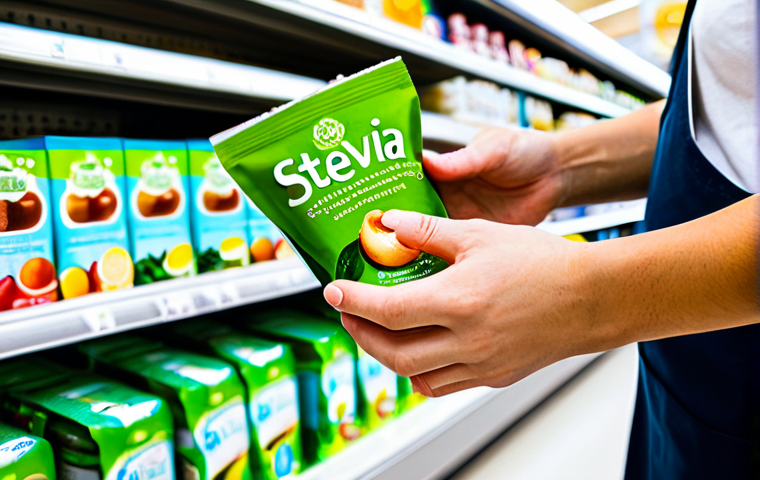
Stevia and monk fruit have emerged as popular contenders in the natural sweetener arena. Unlike honey or maple syrup, they boast zero calories and a minimal impact on blood sugar levels.
However, I’ve found that the taste can be a bit of a hurdle. Stevia, in particular, can have a slightly bitter aftertaste that I personally find off-putting.
Monk fruit tends to be milder, but it can sometimes be blended with other sweeteners to reduce the cost, so it’s important to read the labels carefully.
Stevia: The Bitter Truth?
Stevia comes from the leaves of the Stevia rebaudiana plant, native to South America. It’s been used for centuries as a natural sweetener, and it’s now widely available in various forms, from powders to liquids.
I’ve experimented with stevia in baking, but I’ve found that it can be tricky to get the proportions right. Too much, and you end up with a bitter, almost medicinal flavor.
Monk Fruit: The Mellow Alternative
Monk fruit, also known as luo han guo, is a small green gourd native to southern China. It’s been used in traditional Chinese medicine for centuries, and its sweetness comes from unique antioxidants called mogrosides.
I personally prefer monk fruit over stevia because it has a cleaner, more neutral taste. However, it can be more expensive, and it’s often blended with other ingredients like erythritol to make it easier to use.
The Impact of Sweeteners on Gut Health: A Gut Feeling
Our gut microbiome plays a crucial role in our overall health, influencing everything from digestion to immunity. And guess what? Sweeteners can have a significant impact on the delicate balance of our gut bacteria.
I’ve become increasingly fascinated by this connection, especially after experiencing firsthand the gut-wrenching effects of artificial sweeteners.
Artificial Sweeteners and Your Microbiome
Some studies suggest that artificial sweeteners can disrupt the balance of our gut bacteria, leading to inflammation and other health problems. I remember reading a particularly alarming study that linked artificial sweeteners to glucose intolerance, which is a precursor to type 2 diabetes.
While more research is needed, it’s definitely something to keep in mind.
Natural Sweeteners: A Gentler Option?
Natural sweeteners like honey and maple syrup might be gentler on the gut than artificial sweeteners, but they’re still sugar, and too much sugar can feed the “bad” bacteria in our gut.
I’ve found that moderation is key. Instead of loading up on sugary treats, I try to focus on incorporating fermented foods like yogurt and kimchi into my diet to promote a healthy gut.
Unraveling the Glycemic Index: Sweeteners and Blood Sugar
The glycemic index (GI) is a measure of how quickly a food raises blood sugar levels. Foods with a high GI, like white bread and refined sugar, cause a rapid spike in blood sugar, while foods with a low GI, like beans and vegetables, have a more gradual effect.
When it comes to sweeteners, the GI can vary widely.
High-Glycemic Culprits: Refined Sugar and High-Fructose Corn Syrup
Refined sugar and high-fructose corn syrup are notorious for their high GI scores. They’re quickly absorbed into the bloodstream, leading to a surge in blood sugar followed by a crash.
I’ve experienced this rollercoaster firsthand, feeling energized and happy after indulging in a sugary treat, only to be hit with fatigue and irritability an hour later.
Low-Glycemic Alternatives: A More Gradual Rise
Sweeteners like stevia and monk fruit have a minimal impact on blood sugar levels, making them a good option for people with diabetes or those looking to manage their blood sugar.
However, it’s important to remember that even low-glycemic sweeteners can still contribute to weight gain if consumed in excess.
The Ethical Angle: Sourcing and Sustainability
As consumers, we have the power to make choices that support ethical and sustainable practices. When it comes to sweeteners, this means considering how they’re sourced and produced.
I’ve made a conscious effort to buy sweeteners that are produced in an environmentally responsible way and that support fair labor practices.
Honey: Supporting Local Beekeepers
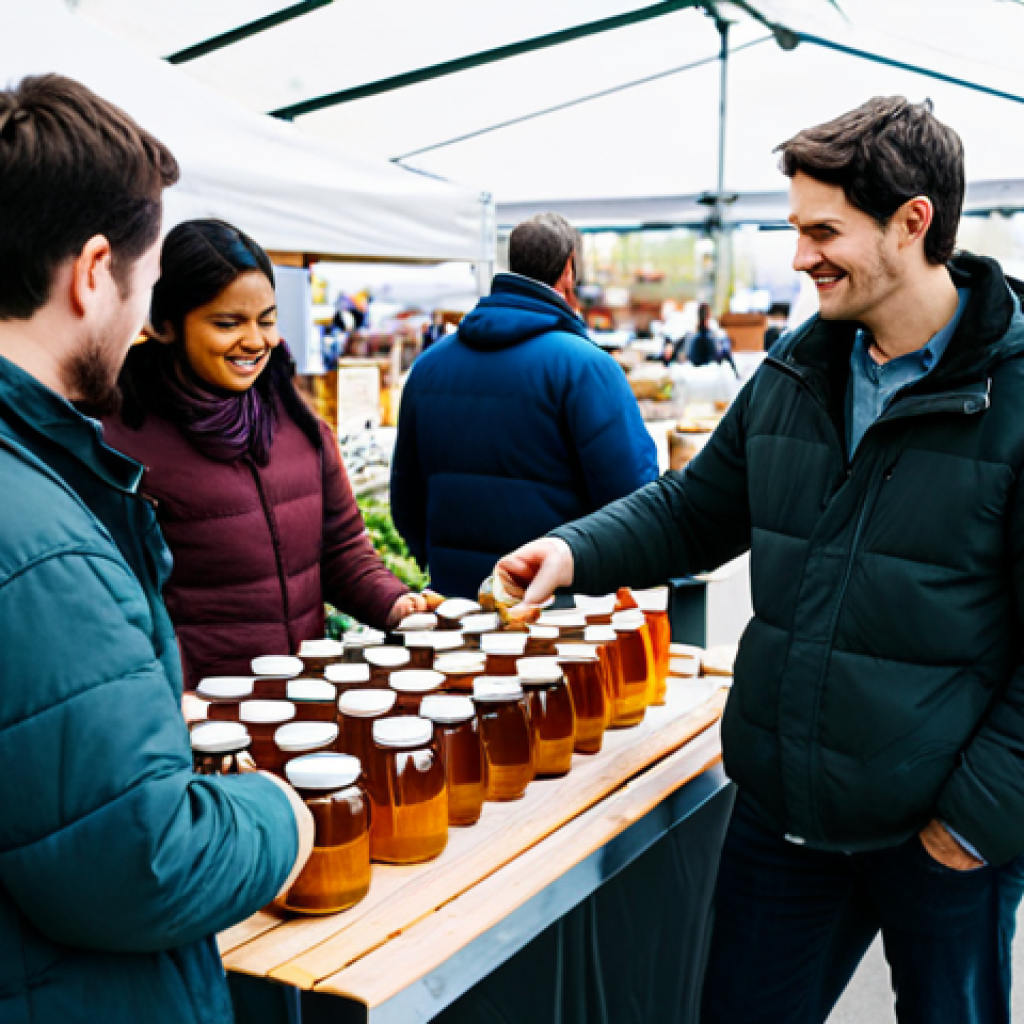
When buying honey, I try to support local beekeepers whenever possible. Not only does this ensure that I’m getting high-quality honey, but it also helps to support the local economy and protect bee populations.
Bees play a vital role in our ecosystem, pollinating crops and contributing to biodiversity.
Maple Syrup: A Taste of Tradition
Maple syrup is another sweetener with a rich history and tradition. When buying maple syrup, look for brands that prioritize sustainable forestry practices and that support local maple farmers.
I love visiting local sugar shacks in the spring to learn about the maple syrup-making process and to sample the delicious results.
Sweetener Comparison Table
| Sweetener | Source | Calories | Glycemic Index | Pros | Cons |
|---|---|---|---|---|---|
| Refined Sugar | Sugar cane or beets | 4 calories per gram | 65 | Readily available, familiar taste | High in calories, can cause blood sugar spikes |
| Honey | Bees | 4 calories per gram | 55 | Natural, contains antioxidants | High in calories, can affect blood sugar |
| Stevia | Stevia plant | 0 calories | 0 | Zero calories, minimal impact on blood sugar | Can have a bitter aftertaste |
| Monk Fruit | Monk fruit | 0 calories | 0 | Zero calories, pleasant taste | Can be more expensive |
| Aspartame | Synthetic | 0 calories | 0 | Zero calories, very sweet | Controversial, potential health concerns |
Finding Your Sweet Spot: Moderation and Mindful Consumption
Ultimately, the best approach to sweeteners is to practice moderation and mindful consumption. Instead of eliminating sweeteners entirely (which can feel restrictive and unsustainable), focus on being more aware of how much you’re consuming and choosing options that align with your health goals and values.
I’ve found that this approach is much more sustainable in the long run.
Listen to Your Body
Pay attention to how different sweeteners make you feel. Do you experience energy crashes after consuming refined sugar? Does stevia give you a stomachache?
Our bodies are incredibly intelligent, and they often give us clues about what’s working and what’s not.
Experiment and Find What Works for You
Don’t be afraid to experiment with different sweeteners and find what works best for you. Maybe you prefer the taste of honey in your tea but find that stevia is a better option for baking.
There’s no one-size-fits-all answer, so explore your options and find what you enjoy. Alright, let’s dive into the nitty-gritty of sweeteners!
Decoding the Sweetness Spectrum: Natural vs. Artificial
Navigating the sweetener aisle can feel like deciphering a secret code. Are “natural” options truly healthier, or is it just clever marketing at play? It’s a question I’ve often pondered while staring down rows of brightly colored packages, each promising guilt-free sweetness. Let’s be real, sometimes it feels like you need a PhD in food science to make an informed choice!
The Allure of “Natural”: Honey, Maple Syrup, and More
Ah, the siren song of “natural”! We’re drawn to these options because they evoke images of simpler times and wholesome goodness. Think of drizzling honey from a local farm onto your morning toast or savoring the rich flavor of pure maple syrup in your pancakes. But here’s the kicker: while these sweeteners might be less processed than their refined counterparts, they still pack a sugary punch. I’ve learned this the hard way, overdoing it on the maple syrup during a weekend brunch and ending up with a sugar crash that rivaled the Grand Canyon.
Artificial Sweeteners: A Laboratory Creation
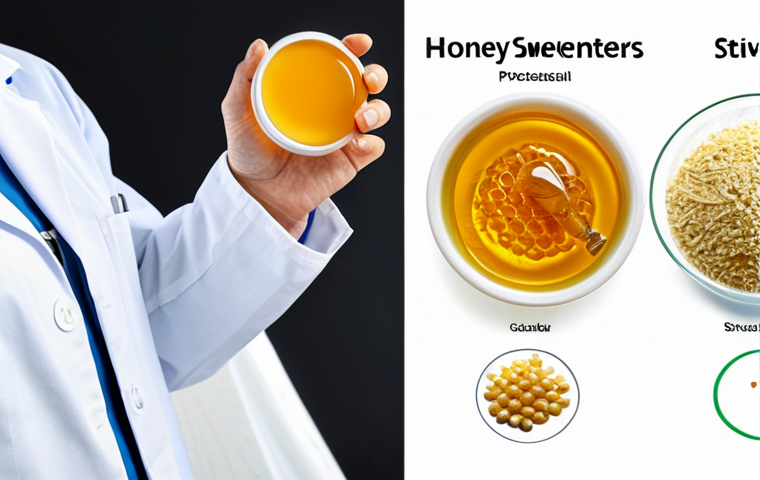
On the other side of the spectrum, we have the artificial sweeteners: aspartame, sucralose, saccharin, and the like. These are often touted as zero-calorie alternatives, making them appealing to those watching their weight or managing blood sugar levels. I remember a friend swearing by diet soda because it allowed her to indulge in her sweet cravings without the guilt. But the truth is, the long-term effects of these artificial sweeteners are still debated, and some studies suggest they might mess with our gut bacteria and even increase our appetite. Talk about a double-edged sword!
Stevia and Monk Fruit: The Rising Stars of Sweetness
Stevia and monk fruit have emerged as popular contenders in the natural sweetener arena. Unlike honey or maple syrup, they boast zero calories and a minimal impact on blood sugar levels. However, I’ve found that the taste can be a bit of a hurdle. Stevia, in particular, can have a slightly bitter aftertaste that I personally find off-putting. Monk fruit tends to be milder, but it can sometimes be blended with other sweeteners to reduce the cost, so it’s important to read the labels carefully.
Stevia: The Bitter Truth?
Stevia comes from the leaves of the Stevia rebaudiana plant, native to South America. It’s been used for centuries as a natural sweetener, and it’s now widely available in various forms, from powders to liquids. I’ve experimented with stevia in baking, but I’ve found that it can be tricky to get the proportions right. Too much, and you end up with a bitter, almost medicinal flavor.
Monk Fruit: The Mellow Alternative
Monk fruit, also known as luo han guo, is a small green gourd native to southern China. It’s been used in traditional Chinese medicine for centuries, and its sweetness comes from unique antioxidants called mogrosides. I personally prefer monk fruit over stevia because it has a cleaner, more neutral taste. However, it can be more expensive, and it’s often blended with other ingredients like erythritol to make it easier to use.
The Impact of Sweeteners on Gut Health: A Gut Feeling
Our gut microbiome plays a crucial role in our overall health, influencing everything from digestion to immunity. And guess what? Sweeteners can have a significant impact on the delicate balance of our gut bacteria. I’ve become increasingly fascinated by this connection, especially after experiencing firsthand the gut-wrenching effects of artificial sweeteners.
Artificial Sweeteners and Your Microbiome
Some studies suggest that artificial sweeteners can disrupt the balance of our gut bacteria, leading to inflammation and other health problems. I remember reading a particularly alarming study that linked artificial sweeteners to glucose intolerance, which is a precursor to type 2 diabetes. While more research is needed, it’s definitely something to keep in mind.
Natural Sweeteners: A Gentler Option?
Natural sweeteners like honey and maple syrup might be gentler on the gut than artificial sweeteners, but they’re still sugar, and too much sugar can feed the “bad” bacteria in our gut. I’ve found that moderation is key. Instead of loading up on sugary treats, I try to focus on incorporating fermented foods like yogurt and kimchi into my diet to promote a healthy gut.
Unraveling the Glycemic Index: Sweeteners and Blood Sugar
The glycemic index (GI) is a measure of how quickly a food raises blood sugar levels. Foods with a high GI, like white bread and refined sugar, cause a rapid spike in blood sugar, while foods with a low GI, like beans and vegetables, have a more gradual effect. When it comes to sweeteners, the GI can vary widely.
High-Glycemic Culprits: Refined Sugar and High-Fructose Corn Syrup
Refined sugar and high-fructose corn syrup are notorious for their high GI scores. They’re quickly absorbed into the bloodstream, leading to a surge in blood sugar followed by a crash. I’ve experienced this rollercoaster firsthand, feeling energized and happy after indulging in a sugary treat, only to be hit with fatigue and irritability an hour later.
Low-Glycemic Alternatives: A More Gradual Rise
Sweeteners like stevia and monk fruit have a minimal impact on blood sugar levels, making them a good option for people with diabetes or those looking to manage their blood sugar. However, it’s important to remember that even low-glycemic sweeteners can still contribute to weight gain if consumed in excess.
The Ethical Angle: Sourcing and Sustainability
As consumers, we have the power to make choices that support ethical and sustainable practices. When it comes to sweeteners, this means considering how they’re sourced and produced. I’ve made a conscious effort to buy sweeteners that are produced in an environmentally responsible way and that support fair labor practices.
Honey: Supporting Local Beekeepers
When buying honey, I try to support local beekeepers whenever possible. Not only does this ensure that I’m getting high-quality honey, but it also helps to support the local economy and protect bee populations. Bees play a vital role in our ecosystem, pollinating crops and contributing to biodiversity.
Maple Syrup: A Taste of Tradition
Maple syrup is another sweetener with a rich history and tradition. When buying maple syrup, look for brands that prioritize sustainable forestry practices and that support local maple farmers. I love visiting local sugar shacks in the spring to learn about the maple syrup-making process and to sample the delicious results.
Sweetener Comparison Table
| Sweetener | Source | Calories | Glycemic Index | Pros | Cons |
|---|---|---|---|---|---|
| Refined Sugar | Sugar cane or beets | 4 calories per gram | 65 | Readily available, familiar taste | High in calories, can cause blood sugar spikes |
| Honey | Bees | 4 calories per gram | 55 | Natural, contains antioxidants | High in calories, can affect blood sugar |
| Stevia | Stevia plant | 0 calories | 0 | Zero calories, minimal impact on blood sugar | Can have a bitter aftertaste |
| Monk Fruit | Monk fruit | 0 calories | 0 | Zero calories, pleasant taste | Can be more expensive |
| Aspartame | Synthetic | 0 calories | 0 | Zero calories, very sweet | Controversial, potential health concerns |
Finding Your Sweet Spot: Moderation and Mindful Consumption
Ultimately, the best approach to sweeteners is to practice moderation and mindful consumption. Instead of eliminating sweeteners entirely (which can feel restrictive and unsustainable), focus on being more aware of how much you’re consuming and choosing options that align with your health goals and values. I’ve found that this approach is much more sustainable in the long run.
Listen to Your Body
Pay attention to how different sweeteners make you feel. Do you experience energy crashes after consuming refined sugar? Does stevia give you a stomachache? Our bodies are incredibly intelligent, and they often give us clues about what’s working and what’s not.
Experiment and Find What Works for You
Don’t be afraid to experiment with different sweeteners and find what works best for you. Maybe you prefer the taste of honey in your tea but find that stevia is a better option for baking. There’s no one-size-fits-all answer, so explore your options and find what you enjoy.
In Conclusion
So, there you have it – a deep dive into the world of sweeteners! It’s a complex landscape, to be sure, but hopefully this has armed you with the knowledge to make informed choices.
Remember, it’s all about finding the right balance that works for you and your body. Here’s to a sweeter, healthier life!
Now go forth and sweeten responsibly!
Good to Know Facts
1. Erythritol is a sugar alcohol often used as a sweetener, known for its low-calorie content and minimal impact on blood sugar.
2. Agave nectar, while often marketed as a healthy alternative, is very high in fructose, which can have negative health effects in excess.
3. When baking with alternative sweeteners, you may need to adjust the amount of liquid or other ingredients to achieve the desired texture.
4. The FDA regulates the use of sweeteners in food and beverages, ensuring they meet safety standards.
5. Many sweeteners can be found in unexpected places, such as sauces, dressings, and processed foods, so it’s essential to read labels carefully.
Key Takeaways
Choosing a sweetener is a personal decision based on taste preferences, health goals, and ethical considerations.
Moderation is key to enjoying sweeteners without compromising your health.
Reading labels carefully can help you identify hidden sweeteners and make informed choices.
Frequently Asked Questions (FAQ) 📖
Q: So, with all these sweeteners on the market, which one is actually the healthiest?
A: That’s the million-dollar question, isn’t it? Honestly, there’s no single “healthiest” sweetener, as it depends on individual factors like your health conditions, taste preferences, and how your body reacts.
Some people find stevia to be a great low-calorie option, while others (like me, sometimes!) can’t stand the aftertaste. Monk fruit is another popular choice, but it can be pricey.
Even “natural” options like honey or maple syrup are still sugars and should be used in moderation. The best approach is to experiment, read labels carefully (especially ingredient lists for additives), and perhaps even consult a registered dietitian or nutritionist.
They can help you figure out what works best for your unique needs. And remember, the goal isn’t necessarily to find a “sugar-free” life, but to be mindful of your overall intake and make informed choices.
I, for one, am still figuring it out, and sometimes, you know what? A little bit of real sugar is just what I need!
Q: I’ve heard artificial sweeteners can mess with your gut. Is that true, and should I be worried?
A: Okay, gut health is a huge topic these days, and rightly so! There’s definitely some research suggesting that certain artificial sweeteners can have an impact on the gut microbiome – that complex community of bacteria living in your digestive system.
Some studies have linked them to imbalances in gut bacteria, which could potentially lead to issues like bloating, digestive discomfort, or even affect your metabolism.
However, the research is still ongoing, and the effects seem to vary from person to person. Some people are more sensitive than others. My own take?
I try to limit my intake of artificial sweeteners, not just for my gut, but also because I’m not convinced they’re the best choice long-term. Focusing on a whole-foods diet with plenty of fiber is probably a better bet for overall gut health than stressing too much about a single packet of sweetener here and there.
And if you’re genuinely concerned, a visit to a gastroenterologist might be a good idea.
Q: Are there any sweeteners that are ethically sourced? I’m trying to be more conscious of where my food comes from.
A: This is a fantastic question, and something I’ve been thinking more about too! Ethical sourcing is becoming increasingly important across the food industry, and sweeteners are no exception.
The reality is, the production of some sweeteners, like sugar cane, can be associated with labor issues and environmental concerns in certain regions.
When it comes to finding ethically sourced options, look for certifications like Fair Trade or Rainforest Alliance. These certifications indicate that the producers meet certain standards regarding worker rights, environmental sustainability, and community development.
For example, you might find Fair Trade certified sugar or honey. For other sweeteners like stevia or monk fruit, it might be a bit trickier to find specific certifications, but you can research the companies and see if they have transparent sourcing practices or ethical commitments outlined on their websites.
It requires a little digging, but it’s worth it to support companies that are doing things the right way! I personally try to buy local honey whenever possible, knowing that I’m supporting a local beekeeper and contributing to the health of my community.
📚 References
Wikipedia Encyclopedia
구글 검색 결과
구글 검색 결과
구글 검색 결과
구글 검색 결과
구글 검색 결과