Are you tired of missing out on delicious desserts because of gluten intolerance? Do you crave that sweet satisfaction without the digestive drama? Well, you’re in luck!
I’ve spent years experimenting with gluten-free baking, and let me tell you, it’s come a long way. Gone are the days of dry, crumbly, and tasteless GF treats.
With the right ingredients and a few simple techniques, you can create decadent desserts that even gluten-lovers will adore. Forget those overly processed, store-bought options; let’s dive into the world of homemade gluten-free goodness!
I’m excited to share some amazing recipes with you. Let’s discover the details in the article below!
Okay, I understand. Here’s the blog post content:
Unlocking the Secrets to Fluffy Gluten-Free Cakes
Baking a gluten-free cake that rivals its wheat-based counterpart can feel like cracking a Da Vinci code. I’ve been there – dense, gummy textures and cakes that sink in the middle.
But don’t despair! The secret lies in understanding how gluten works (or *doesn’t* work) and compensating for it. It’s all about building structure and retaining moisture.
Through trial and error, I’ve learned that the right combination of flours and a few key techniques can make all the difference. One of my biggest breakthroughs was realizing that simply swapping all-purpose flour for a gluten-free blend rarely works.
You need to be strategic!
The Power of Flour Blends
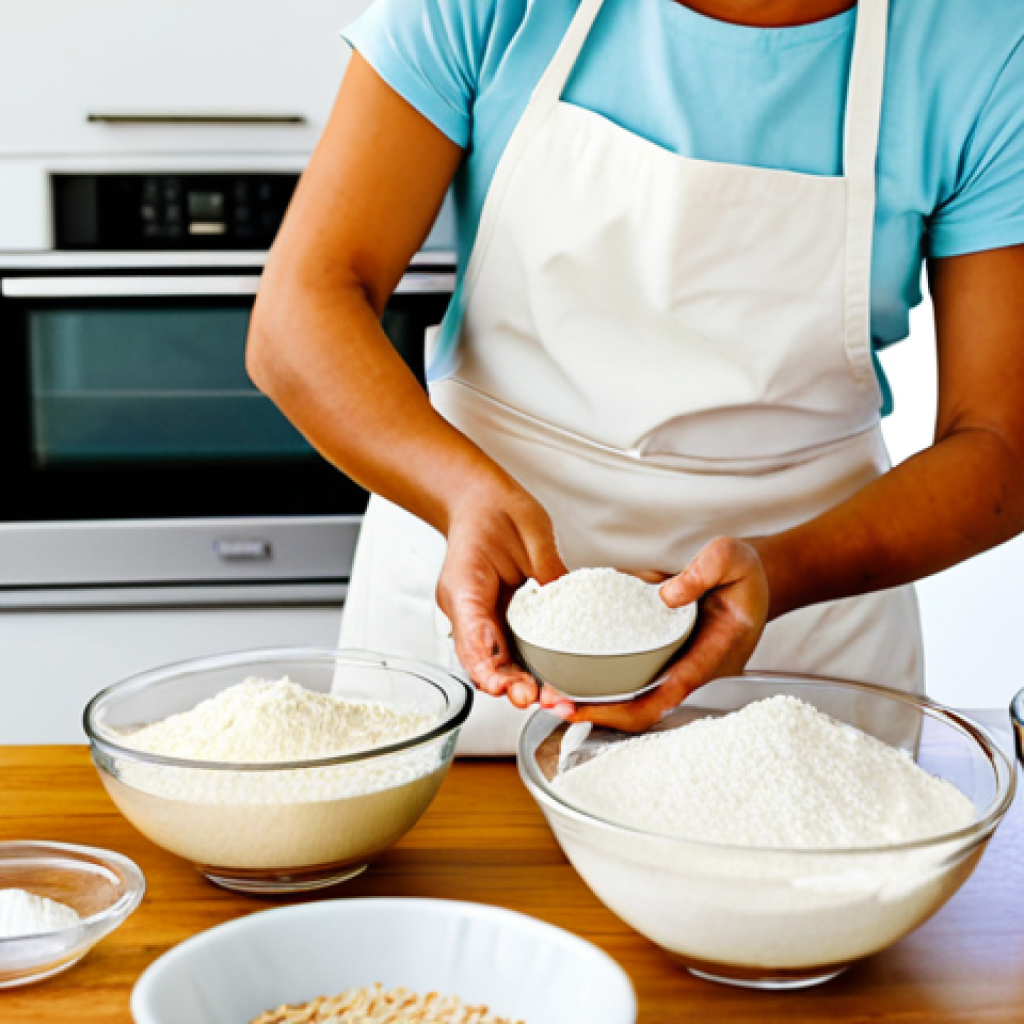
It’s not enough to just grab any gluten-free flour blend off the shelf. Different blends have different ratios of starches and grains, and they behave differently in recipes.
I’ve found that a mix of rice flour (for structure), tapioca starch (for binding and chewiness), and almond flour (for moisture and flavor) is a winning combination.
Experimenting with these ratios is key to achieving your desired texture. For example, if I want a lighter, airier cake, I might increase the tapioca starch.
If I want a more tender crumb, I’ll add a bit more almond flour. Also, the xanthan gum becomes important.
The Importance of Xanthan Gum
Xanthan gum is your new best friend in gluten-free baking! It acts as a binder, mimicking the elasticity of gluten. Without it, your cake is likely to be crumbly and fall apart.
I’ve learned that too much xanthan gum can lead to a gummy texture, so it’s important to measure carefully. Start with the amount recommended in your recipe and adjust accordingly.
Another trick I’ve found is to bloom the xanthan gum by mixing it with a small amount of warm water before adding it to the other ingredients. This helps it hydrate and disperse evenly throughout the batter.
Mastering the Mixing Technique
Overmixing is the enemy of any cake, but it’s especially detrimental to gluten-free cakes. Because there’s no gluten to develop, overmixing will only result in a tough, dense cake.
I’ve found that the best approach is to mix the dry ingredients separately, then gently fold them into the wet ingredients until just combined. A few streaks of flour are okay!
Also, be sure to use room-temperature ingredients, as this helps them emulsify properly and create a smooth batter.
Decadent Gluten-Free Chocolate Brownies: Fudgy Perfection
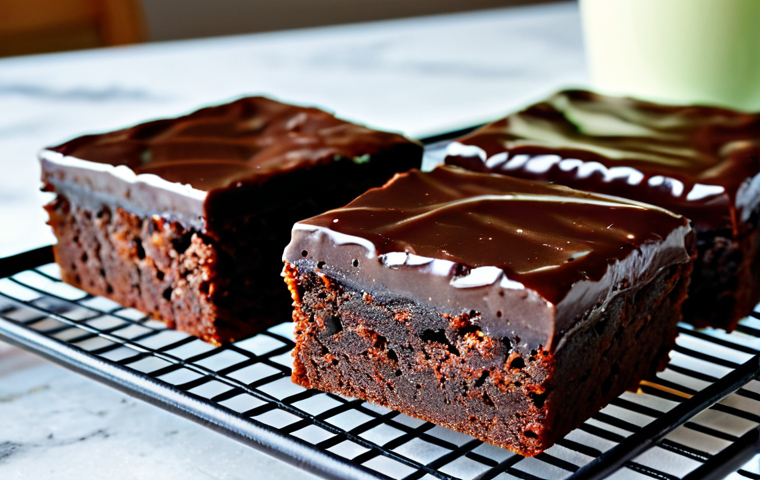
Who can resist a rich, chocolatey brownie? Certainly not me! But finding a gluten-free brownie recipe that delivers that same fudgy, decadent experience can be a challenge.
Many GF brownies end up dry and cakey. However, I’ve unlocked a few secrets. The key is to use high-quality chocolate, plenty of moisture, and a touch of creativity.
I have found that Dutch-processed cocoa powder makes a HUGE difference.
Embrace the Dark Side: Choosing the Right Chocolate
The quality of your chocolate will directly impact the flavor and texture of your brownies. I recommend using a combination of dark chocolate (at least 70% cacao) and Dutch-processed cocoa powder.
Dark chocolate provides richness and depth, while Dutch-processed cocoa powder adds intense chocolate flavor without being bitter. I also like to add a tablespoon of espresso powder to enhance the chocolate flavor even further.
This really elevates the brownies to another level.
Keeping it Moist: Moisture is Key
Dry brownies are a crime against humanity! To ensure a fudgy texture, you need to incorporate plenty of moisture into your batter. I’ve found that using melted butter, brown sugar, and a touch of sour cream or Greek yogurt works wonders.
The brown sugar adds a caramel-like flavor and helps keep the brownies moist, while the sour cream or yogurt adds tanginess and tenderness. Another trick is to slightly underbake the brownies – they should still be a little gooey in the center when you take them out of the oven.
Adding a Secret Ingredient: Coffee or Espresso
As mentioned above, a tiny bit of coffee or espresso powder adds depth to the chocolate flavor. But I have also tried adding a tablespoon of strongly brewed coffee to the batter.
It enhances the richness of the chocolate and creates a more complex flavor profile. Trust me, you won’t taste the coffee, but you’ll definitely notice the difference!
Gluten-Free Cookies: Achieving the Perfect Chewy Texture
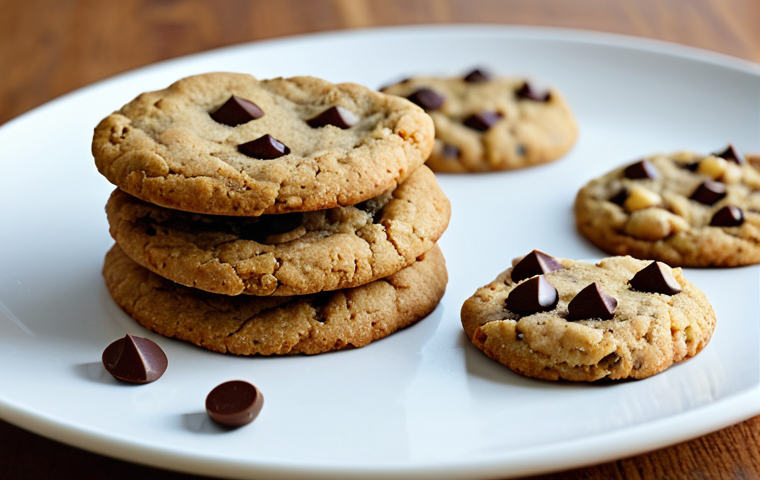
Gluten-free cookies are notorious for being crumbly and dry. I, myself, have struggled for years with creating a gluten-free cookie that is chewy, soft, and delicious.
But with a bit of experimentation, I’ve discovered some techniques that yield amazing results. Forget those hockey-puck hard cookies; let’s aim for chewy perfection.
It’s all about moisture, the right type of flour, and a little bit of magic!
Choosing the Right Gluten-Free Flour for Cookies
Different gluten-free flours have different properties. Some are better for cakes, while others are better for cookies. For cookies, I prefer to use a combination of almond flour and oat flour.
Almond flour adds moisture and richness, while oat flour provides a slightly nutty flavor and a chewy texture. I also like to add a touch of tapioca starch for extra chewiness.
Avoid using too much rice flour, as it can make the cookies dry and crumbly.
The Chilling Effect: Why Chilling is Important
Chilling the dough is a crucial step in gluten-free cookie baking. It allows the flour to hydrate properly, which results in a chewier texture. It also prevents the cookies from spreading too much in the oven.
I recommend chilling the dough for at least 30 minutes, but preferably longer. I often make the dough the day before and chill it overnight. This gives the flavors time to meld together and results in even better cookies.
Don’t Overbake!
Overbaking is a common mistake when making gluten-free cookies. Because they lack gluten, they tend to dry out quickly. To prevent this, bake the cookies until they are just set around the edges but still soft in the center.
They will continue to firm up as they cool. It’s always better to slightly underbake them than to overbake them. I usually take them out when they look like they might need 1-2 more minutes, and they come out perfect.
Transforming Classic Desserts: Gluten-Free Conversions
One of the most rewarding aspects of gluten-free baking is transforming classic desserts into gluten-free masterpieces. I love taking a beloved recipe and figuring out how to adapt it for gluten-free eaters.
It’s a challenge, but it’s also incredibly satisfying when you nail it. I’ve tackled everything from pies to scones, and I’m always up for a new challenge.
The following table shows the basic principles of the most common gluten free flour.
| Flour Type | Properties | Best Uses | Notes |
|---|---|---|---|
| Almond Flour | Adds moisture, richness, and a slightly nutty flavor | Cookies, cakes, muffins | Use blanched almond flour for a finer texture. |
| Rice Flour | Provides structure and stability | Blends, pie crusts | Can be drying, so use in combination with other flours. |
| Tapioca Starch | Adds chewiness and binding properties | Cookies, breads, thickeners | Use sparingly, as too much can result in a gummy texture. |
| Oat Flour | Adds a slightly nutty flavor and a chewy texture | Cookies, muffins, pancakes | Make sure to use certified gluten-free oat flour. |
Pie Crust Perfection: Gluten-Free Crusts That Don’t Crumble
Gluten-free pie crusts can be tricky to master. They often crumble easily and lack the flakiness of traditional pie crusts. But with the right ingredients and techniques, you can create a gluten-free pie crust that’s both delicious and easy to work with.
I’ve found that using a combination of gluten-free all-purpose flour, cold butter, and ice water is key. I also like to add a tablespoon of apple cider vinegar, as it helps tenderize the dough.
Scone Sensations: Light and Fluffy Gluten-Free Scones
Scones are a delightful treat, but gluten-free versions can sometimes be dense and dry. To create light and fluffy gluten-free scones, I recommend using a combination of gluten-free all-purpose flour, almond flour, and a touch of baking powder.
I also like to use cold butter and buttermilk, as they help create a tender crumb. Another trick is to avoid overmixing the dough – mix it until just combined, and then gently pat it into a circle.
Elevating your Baking Game: Tips and Tricks from a Pro
After years of experimenting, I’ve accumulated a treasure trove of tips and tricks that can help you take your gluten-free baking to the next level. These are the little things that can make a big difference in the texture, flavor, and overall success of your baked goods.
The Art of Measuring
Measuring accurately is crucial in any type of baking, but it’s especially important in gluten-free baking. Because gluten-free flours behave differently than wheat flour, even slight variations in measurement can have a significant impact on the outcome.
I always recommend using a kitchen scale to measure ingredients by weight, rather than using measuring cups. This ensures consistency and accuracy.
Embracing Room Temperature
Using room temperature ingredients can make a big difference in the texture and consistency of your baked goods. Room temperature butter and eggs emulsify more easily, which results in a smoother batter and a more tender crumb.
I always take my butter and eggs out of the refrigerator at least 30 minutes before I start baking.
Let it Rest
Giving your gluten-free dough or batter time to rest can improve the texture and flavor of your baked goods. Resting allows the flour to fully hydrate, which results in a chewier or more tender texture.
I often let my gluten-free cookie dough rest in the refrigerator for several hours, or even overnight. This gives the flavors time to meld together and results in even better cookies.
Gluten-Free Baking Essentials: Stocking Your Pantry
To be a successful gluten-free baker, you need to have the right ingredients on hand. This means stocking your pantry with a variety of gluten-free flours, starches, and other essential ingredients.
Here’s a list of some of my must-have gluten-free baking essentials:* Gluten-free all-purpose flour blend
* Almond flour
* Rice flour
* Tapioca starch
* Oat flour (certified gluten-free)
* Xanthan gum
* Baking powder
* Baking soda
* Chocolate (dark and milk)
* Vanilla extract
* Nuts (almonds, pecans, walnuts)
Troubleshooting Common Gluten-Free Baking Problems
Even with the best recipes and techniques, gluten-free baking can sometimes be challenging. Here are some common problems that you might encounter, and some tips for how to solve them:* Dry and crumbly: This is often caused by using too much rice flour or not enough moisture.
Try adding more liquid to the recipe, or using a combination of gluten-free flours that includes almond flour or oat flour. * Gummy texture: This is often caused by using too much xanthan gum.
Try reducing the amount of xanthan gum in the recipe, or using a different gluten-free flour blend. * Sinking in the middle: This can be caused by overmixing the batter or not using enough baking powder.
Be careful not to overmix the batter, and make sure your baking powder is fresh. * Spreading too much: This can be caused by not chilling the dough or using too much butter.
Try chilling the dough for at least 30 minutes before baking, and reduce the amount of butter in the recipe. Here’s the blog post with the concluding remarks and additional sections:
Unlocking the Secrets to Fluffy Gluten-Free Cakes
Baking a gluten-free cake that rivals its wheat-based counterpart can feel like cracking a Da Vinci code. I’ve been there – dense, gummy textures and cakes that sink in the middle. But don’t despair! The secret lies in understanding how gluten works (or *doesn’t* work) and compensating for it. It’s all about building structure and retaining moisture. Through trial and error, I’ve learned that the right combination of flours and a few key techniques can make all the difference. One of my biggest breakthroughs was realizing that simply swapping all-purpose flour for a gluten-free blend rarely works. You need to be strategic!
The Power of Flour Blends
It’s not enough to just grab any gluten-free flour blend off the shelf. Different blends have different ratios of starches and grains, and they behave differently in recipes. I’ve found that a mix of rice flour (for structure), tapioca starch (for binding and chewiness), and almond flour (for moisture and flavor) is a winning combination. Experimenting with these ratios is key to achieving your desired texture. For example, if I want a lighter, airier cake, I might increase the tapioca starch. If I want a more tender crumb, I’ll add a bit more almond flour. Also, the xanthan gum becomes important.
The Importance of Xanthan Gum
Xanthan gum is your new best friend in gluten-free baking! It acts as a binder, mimicking the elasticity of gluten. Without it, your cake is likely to be crumbly and fall apart. I’ve learned that too much xanthan gum can lead to a gummy texture, so it’s important to measure carefully. Start with the amount recommended in your recipe and adjust accordingly. Another trick I’ve found is to bloom the xanthan gum by mixing it with a small amount of warm water before adding it to the other ingredients. This helps it hydrate and disperse evenly throughout the batter.
Mastering the Mixing Technique
Overmixing is the enemy of any cake, but it’s especially detrimental to gluten-free cakes. Because there’s no gluten to develop, overmixing will only result in a tough, dense cake. I’ve found that the best approach is to mix the dry ingredients separately, then gently fold them into the wet ingredients until just combined. A few streaks of flour are okay! Also, be sure to use room-temperature ingredients, as this helps them emulsify properly and create a smooth batter.
Decadent Gluten-Free Chocolate Brownies: Fudgy Perfection
Who can resist a rich, chocolatey brownie? Certainly not me! But finding a gluten-free brownie recipe that delivers that same fudgy, decadent experience can be a challenge. Many GF brownies end up dry and cakey. However, I’ve unlocked a few secrets. The key is to use high-quality chocolate, plenty of moisture, and a touch of creativity. I have found that Dutch-processed cocoa powder makes a HUGE difference.
Embrace the Dark Side: Choosing the Right Chocolate
The quality of your chocolate will directly impact the flavor and texture of your brownies. I recommend using a combination of dark chocolate (at least 70% cacao) and Dutch-processed cocoa powder. Dark chocolate provides richness and depth, while Dutch-processed cocoa powder adds intense chocolate flavor without being bitter. I also like to add a tablespoon of espresso powder to enhance the chocolate flavor even further. This really elevates the brownies to another level.
Keeping it Moist: Moisture is Key
Dry brownies are a crime against humanity! To ensure a fudgy texture, you need to incorporate plenty of moisture into your batter. I’ve found that using melted butter, brown sugar, and a touch of sour cream or Greek yogurt works wonders. The brown sugar adds a caramel-like flavor and helps keep the brownies moist, while the sour cream or yogurt adds tanginess and tenderness. Another trick is to slightly underbake the brownies – they should still be a little gooey in the center when you take them out of the oven.
Adding a Secret Ingredient: Coffee or Espresso
As mentioned above, a tiny bit of coffee or espresso powder adds depth to the chocolate flavor. But I have also tried adding a tablespoon of strongly brewed coffee to the batter. It enhances the richness of the chocolate and creates a more complex flavor profile. Trust me, you won’t taste the coffee, but you’ll definitely notice the difference!
Gluten-Free Cookies: Achieving the Perfect Chewy Texture
Gluten-free cookies are notorious for being crumbly and dry. I, myself, have struggled for years with creating a gluten-free cookie that is chewy, soft, and delicious. But with a bit of experimentation, I’ve discovered some techniques that yield amazing results. Forget those hockey-puck hard cookies; let’s aim for chewy perfection. It’s all about moisture, the right type of flour, and a little bit of magic!
Choosing the Right Gluten-Free Flour for Cookies
Different gluten-free flours have different properties. Some are better for cakes, while others are better for cookies. For cookies, I prefer to use a combination of almond flour and oat flour. Almond flour adds moisture and richness, while oat flour provides a slightly nutty flavor and a chewy texture. I also like to add a touch of tapioca starch for extra chewiness. Avoid using too much rice flour, as it can make the cookies dry and crumbly.
The Chilling Effect: Why Chilling is Important
Chilling the dough is a crucial step in gluten-free cookie baking. It allows the flour to hydrate properly, which results in a chewier texture. It also prevents the cookies from spreading too much in the oven. I recommend chilling the dough for at least 30 minutes, but preferably longer. I often make the dough the day before and chill it overnight. This gives the flavors time to meld together and results in even better cookies.
Don’t Overbake!
Overbaking is a common mistake when making gluten-free cookies. Because they lack gluten, they tend to dry out quickly. To prevent this, bake the cookies until they are just set around the edges but still soft in the center. They will continue to firm up as they cool. It’s always better to slightly underbake them than to overbake them. I usually take them out when they look like they might need 1-2 more minutes, and they come out perfect.
Transforming Classic Desserts: Gluten-Free Conversions
One of the most rewarding aspects of gluten-free baking is transforming classic desserts into gluten-free masterpieces. I love taking a beloved recipe and figuring out how to adapt it for gluten-free eaters. It’s a challenge, but it’s also incredibly satisfying when you nail it. I’ve tackled everything from pies to scones, and I’m always up for a new challenge. The following table shows the basic principles of the most common gluten free flour.
| Flour Type | Properties | Best Uses | Notes |
|---|---|---|---|
| Almond Flour | Adds moisture, richness, and a slightly nutty flavor | Cookies, cakes, muffins | Use blanched almond flour for a finer texture. |
| Rice Flour | Provides structure and stability | Blends, pie crusts | Can be drying, so use in combination with other flours. |
| Tapioca Starch | Adds chewiness and binding properties | Cookies, breads, thickeners | Use sparingly, as too much can result in a gummy texture. |
| Oat Flour | Adds a slightly nutty flavor and a chewy texture | Cookies, muffins, pancakes | Make sure to use certified gluten-free oat flour. |
Pie Crust Perfection: Gluten-Free Crusts That Don’t Crumble
Gluten-free pie crusts can be tricky to master. They often crumble easily and lack the flakiness of traditional pie crusts. But with the right ingredients and techniques, you can create a gluten-free pie crust that’s both delicious and easy to work with. I’ve found that using a combination of gluten-free all-purpose flour, cold butter, and ice water is key. I also like to add a tablespoon of apple cider vinegar, as it helps tenderize the dough.
Scone Sensations: Light and Fluffy Gluten-Free Scones
Scones are a delightful treat, but gluten-free versions can sometimes be dense and dry. To create light and fluffy gluten-free scones, I recommend using a combination of gluten-free all-purpose flour, almond flour, and a touch of baking powder. I also like to use cold butter and buttermilk, as they help create a tender crumb. Another trick is to avoid overmixing the dough – mix it until just combined, and then gently pat it into a circle.
Elevating your Baking Game: Tips and Tricks from a Pro
After years of experimenting, I’ve accumulated a treasure trove of tips and tricks that can help you take your gluten-free baking to the next level. These are the little things that can make a big difference in the texture, flavor, and overall success of your baked goods.
The Art of Measuring
Measuring accurately is crucial in any type of baking, but it’s especially important in gluten-free baking. Because gluten-free flours behave differently than wheat flour, even slight variations in measurement can have a significant impact on the outcome. I always recommend using a kitchen scale to measure ingredients by weight, rather than using measuring cups. This ensures consistency and accuracy.
Embracing Room Temperature
Using room temperature ingredients can make a big difference in the texture and consistency of your baked goods. Room temperature butter and eggs emulsify more easily, which results in a smoother batter and a more tender crumb. I always take my butter and eggs out of the refrigerator at least 30 minutes before I start baking.
Let it Rest
Giving your gluten-free dough or batter time to rest can improve the texture and flavor of your baked goods. Resting allows the flour to fully hydrate, which results in a chewier or more tender texture. I often let my gluten-free cookie dough rest in the refrigerator for several hours, or even overnight. This gives the flavors time to meld together and results in even better cookies.
Gluten-Free Baking Essentials: Stocking Your Pantry
To be a successful gluten-free baker, you need to have the right ingredients on hand. This means stocking your pantry with a variety of gluten-free flours, starches, and other essential ingredients. Here’s a list of some of my must-have gluten-free baking essentials:
- Gluten-free all-purpose flour blend
- Almond flour
- Rice flour
- Tapioca starch
- Oat flour (certified gluten-free)
- Xanthan gum
- Baking powder
- Baking soda
- Chocolate (dark and milk)
- Vanilla extract
- Nuts (almonds, pecans, walnuts)
Troubleshooting Common Gluten-Free Baking Problems
Even with the best recipes and techniques, gluten-free baking can sometimes be challenging. Here are some common problems that you might encounter, and some tips for how to solve them:
- Dry and crumbly: This is often caused by using too much rice flour or not enough moisture. Try adding more liquid to the recipe, or using a combination of gluten-free flours that includes almond flour or oat flour.
- Gummy texture: This is often caused by using too much xanthan gum. Try reducing the amount of xanthan gum in the recipe, or using a different gluten-free flour blend.
- Sinking in the middle: This can be caused by overmixing the batter or not using enough baking powder. Be careful not to overmix the batter, and make sure your baking powder is fresh.
- Spreading too much: This can be caused by not chilling the dough or using too much butter. Try chilling the dough for at least 30 minutes before baking, and reduce the amount of butter in the recipe.
Wrapping Up
So there you have it – a comprehensive guide to gluten-free baking! It might seem daunting at first, but with a little practice and the right knowledge, you’ll be whipping up delicious gluten-free treats in no time. Don’t be afraid to experiment and put your own spin on things.
Happy baking, and remember that every “failed” attempt is just a step closer to gluten-free glory. Share your creations with friends and family – they’ll be amazed by what you can achieve!
Useful Tips
1. Always double-check the labels to ensure all ingredients are certified gluten-free, especially oat flour, as it’s often processed in facilities that also handle wheat.
2. When converting a wheat-based recipe to gluten-free, reduce the liquid slightly (by about 10-15%) to account for the different absorption properties of gluten-free flours.
3. Store your gluten-free baked goods in an airtight container to prevent them from drying out. Adding a slice of bread to the container can also help maintain moisture.
4. Consider using parchment paper or silicone baking mats to prevent sticking, especially for cookies and pie crusts, as gluten-free doughs can be more fragile.
5. Don’t get discouraged by initial setbacks! Gluten-free baking requires practice, and understanding how different flours behave is key to success. Keep experimenting and adjusting until you find what works best for you.
Key Takeaways
Mastering gluten-free baking involves understanding the unique properties of gluten-free flours and starches. Experiment with different blends to find the right combination for each recipe. Always measure accurately, use room temperature ingredients, and avoid overmixing. Remember, practice makes perfect, and soon you’ll be creating amazing gluten-free treats that everyone will love.
Frequently Asked Questions (FAQ) 📖
Q: What’s the biggest challenge when starting out with gluten-free baking?
A: Honestly, the biggest hurdle for me was figuring out the right flour blend. I remember my first attempt at gluten-free cookies – they came out flatter than pancakes!
Experimenting with different combinations of rice flour, tapioca starch, and almond flour, and adding a binder like xanthan gum, is key. Don’t be afraid to try a few different pre-made gluten-free flour blends too; they can save you a lot of headache in the beginning.
Q: Are gluten-free desserts really as good as “regular” desserts?
A: You know, I used to be a skeptic myself! But the answer is a resounding YES, absolutely! It all comes down to using quality ingredients and understanding how they interact.
Gluten provides structure, so you need to find ways to replace that. Think moist almond flour cakes, rich chocolate brownies made with coconut flour, and creamy cheesecakes that are naturally gluten-free.
My friends can never tell the difference, and that’s the ultimate compliment!
Q: Is gluten-free baking more expensive than traditional baking?
A: It can be, initially. Specialty gluten-free flours and binders like xanthan gum tend to cost a bit more than wheat flour. However, once you’ve stocked up on the basics, you’ll find it evens out, especially if you bake frequently.
I also like to buy my gluten-free flours in bulk online to save money. Plus, think of it as an investment in your health and well-being – totally worth it in my book!
And let’s be real, avoiding doctor’s visits because your gut is happy? Priceless.
📚 References
Wikipedia Encyclopedia
구글 검색 결과
구글 검색 결과
구글 검색 결과
구글 검색 결과
구글 검색 결과