Who else gets that Friday night craving for a perfect pizza? For years, I thought going vegan meant saying goodbye to truly satisfying, cheesy, melt-in-your-mouth slices.
But let me tell you, things have changed dramatically! I’ve been experimenting in my own kitchen, and with incredible plant-based ingredients available today, crafting a show-stopping vegan pizza at home is not only possible, it’s downright easy and utterly delicious.
Forget those bland imitations; we’re talking about a crust that’s just right, rich sauce, and toppings that make your taste buds sing. Get ready to transform your kitchen into a pizzeria, because I’m about to show you exactly how to make it happen!
Cracking the Code of the Perfect Vegan Crust
Okay, let’s be honest. For years, the crust was my biggest hurdle. You know, that sad, cardboard-like base that just couldn’t hold up to anything? I almost gave up on homemade vegan pizza entirely because of it. But through countless experiments – some delicious, some utterly disastrous, trust me – I’ve finally cracked the code to a crust that’s crispy on the outside, delightfully chewy on the inside, and strong enough to support all your glorious toppings. It truly makes or breaks the pizza experience, and I’m here to save you from all my past pizza-crust heartbreaks. The key isn’t just one thing, but a combination of understanding ingredients and a bit of technique. I’ve found that hydration levels, proofing time, and even the type of flour play a massive role. It’s not just about mixing; it’s about nurturing that dough until it’s ready to become the foundation of your masterpiece. Once you get this right, your homemade vegan pizza will instantly elevate to restaurant-quality status. Trust me on this, a good crust isn’t just a vehicle for toppings; it’s a flavor bomb in itself.
The No-Knead Revolution for Busy Lives
Who has hours to knead dough after a long week? Not me! This is where the magic of a no-knead crust comes in. I stumbled upon this method years ago when I was completely swamped, and it literally changed my pizza-making game. You just mix a few simple ingredients – flour, water, yeast, and salt – give it a quick stir, and let time do all the hard work in your fridge. Seriously, that’s it! The long, slow fermentation develops incredible flavor and creates those beautiful, airy pockets that are typical of artisanal pizzas. I usually mix mine up on a Thursday night, and by Friday evening, it’s perfectly proofed and ready to be transformed. The texture it produces is just phenomenal – a crispy bottom with a satisfying chewiness that will make you question why you ever bought pre-made crusts again. Plus, it’s so forgiving, even if you’re new to bread making. There’s something incredibly satisfying about pulling a bubbly, golden crust out of the oven, knowing you barely lifted a finger to make it.
Elevating Store-Bought Dough: My Secret Weapon
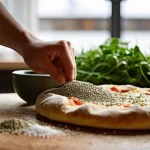
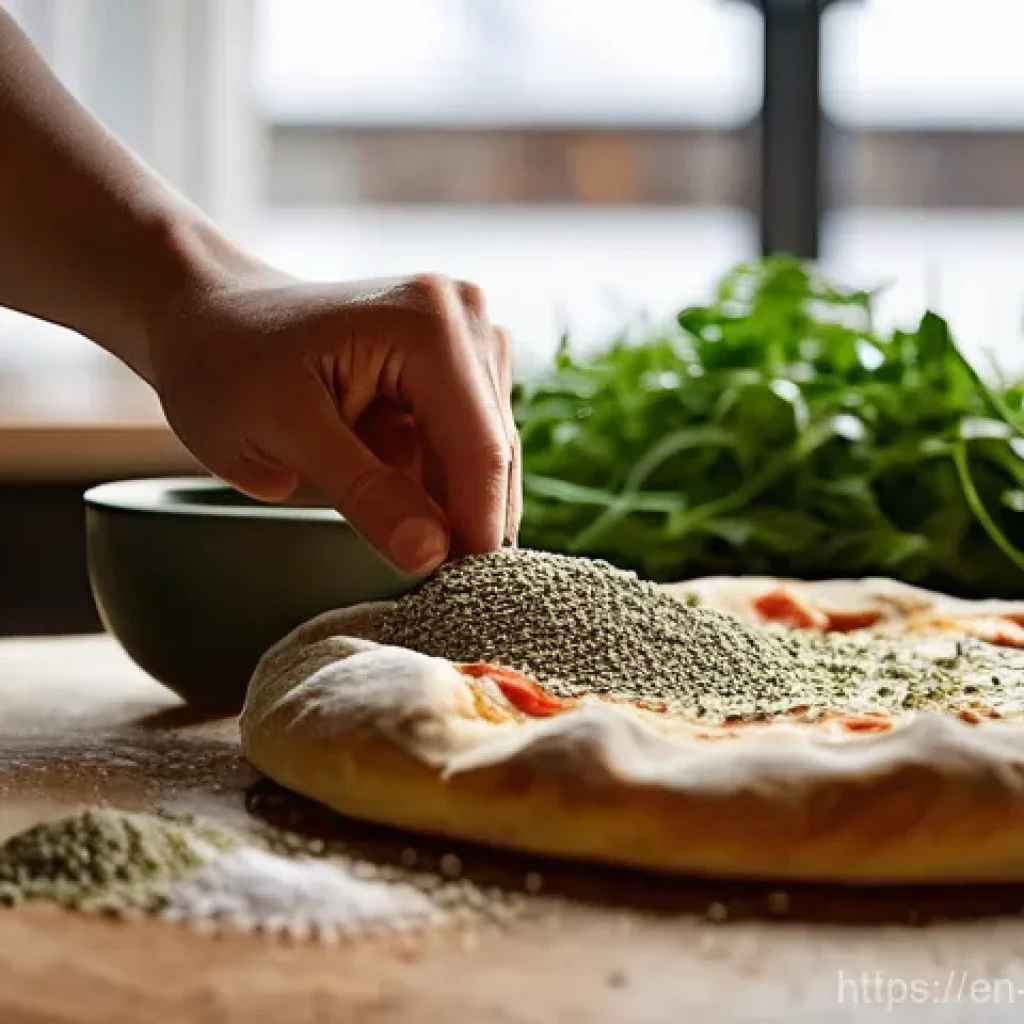
Look, I get it. Sometimes, even the no-knead method feels like too much, especially when that pizza craving hits hard and fast. For those days, store-bought dough is a lifesaver, but don’t just plop it onto a pan and call it a day. I’ve got a secret weapon that elevates even the most basic supermarket dough to something special. First, let it come to room temperature for at least an hour; this makes it much easier to work with. Then, instead of just stretching it, I like to gently dimple it with my fingertips, drizzle it with a good quality olive oil, and sprinkle a little garlic powder and Italian seasoning over the edges before adding any sauce. This creates an unbelievably flavorful crust edge that’s crispy and aromatic, giving you that ‘cheesy breadstick’ vibe even without the cheese. This little trick boosts the overall flavor profile of your pizza significantly and adds a depth that plain dough just can’t offer. It really makes a difference in making your pizza feel more gourmet and less like a quick fix.
Sauce Savvy: Beyond the Basic Tomato
Honestly, for years, my vegan pizza sauce was… well, just crushed tomatoes from a can. It was fine, but it never really sang. I wanted something that would make my taste buds do a little happy dance, something that truly complemented the other incredible plant-based ingredients I was using. So, I started experimenting, and let me tell you, stepping outside the “just red sauce” box has been an absolute game-changer. The right sauce can bind all the flavors together, provide a moist foundation, and even add an unexpected burst of freshness or creaminess. It’s like the unsung hero of the pizza world. I’ve discovered that homemade sauces, even simple ones, have a vibrancy and depth that pre-made jarred sauces often lack. This is where you can really infuse your personality into your pizza, playing with herbs, spices, and different bases. Don’t be afraid to try new things; you might just stumble upon your new favorite secret ingredient!
My Go-To Classic Marinara (with a twist!)
Even though I love to experiment, a classic marinara is still a staple in my kitchen, but I’ve definitely given it my own personal twist. Instead of just simmering tomatoes, I start by sautéing finely minced garlic and shallots in olive oil until they’re fragrant and slightly caramelized. This base creates a depth of flavor that’s just incredible. Then, I add a splash of good red wine – don’t worry, the alcohol cooks off, leaving behind a rich, complex sweetness. After that, in go the crushed tomatoes (San Marzano if I’m feeling fancy!), a bay leaf, and here’s the twist: a tiny pinch of smoked paprika and a couple of sun-dried tomatoes, finely chopped. These additions bring a subtle smokiness and umami that elevates the sauce beyond belief. I let it simmer slowly for at least 30 minutes, allowing all those flavors to meld beautifully. This isn’t just a sauce; it’s a hug for your taste buds, and it pairs perfectly with almost any topping combination you can imagine.
Creamy Dreamy White Sauce Alternatives
Sometimes, I just crave something different, something rich and decadent, and that’s when I turn to white sauces. Forget the heavy dairy versions; plant-based creamy sauces are ridiculously easy to make and taste absolutely divine. My absolute favorite is a cashew-based Alfredo-style sauce. You simply soak raw cashews, then blend them with a little plant milk, nutritional yeast for cheesiness, garlic powder, onion powder, and a squeeze of lemon juice. The result is unbelievably creamy, savory, and perfectly spreadable. It’s fantastic with roasted mushrooms, spinach, and caramelized onions. Another fantastic option is a simple garlic-herb white bean sauce. Blend cannellini beans with a bit of vegetable broth, fresh parsley, garlic, and a touch of olive oil. It’s lighter than the cashew version but still provides that luscious, creamy texture. These white sauces are a revelation, proving that vegan pizza can be just as indulgent and varied as any other. It’s an instant mood booster on a cloudy day, trust me.
The Great Cheese Quest: Melty, Stretchy Perfection
Ah, the holy grail of vegan pizza: the cheese. For a long time, this was the sticking point for so many people, myself included. Early vegan cheeses were… let’s just say they left a lot to be desired. They wouldn’t melt properly, or they’d have a strange texture, or just taste vaguely like plastic. It was disheartening, to say the least. But oh, how far we’ve come! The plant-based cheese market has exploded with incredible innovations, and now, achieving that gooey, stretchy, golden-brown perfection is not just a dream, it’s a delicious reality. I’ve spent countless hours, and a fair bit of money, trying every brand and recipe under the sun, all in pursuit of that elusive, satisfying cheese pull. It’s not just about the flavor, it’s also about the texture and how it interacts with the heat of your oven. Finding the right cheese, or making your own, transforms a good vegan pizza into an extraordinary one. The joy of seeing that cheese bubble and brown is just unparalleled!
Navigating the Dairy-Free Cheese Aisle
Walking down the dairy-free cheese aisle can feel a bit overwhelming these days with so many options. My top advice? Don’t be afraid to try a few different brands to find your personal favorite. For classic mozzarella style, brands like Miyoko’s Kitchen, Daiya (their Cutting Board Shreds are a big improvement), and Violife are often winners. I’ve found that some cheeses melt better when shredded fresh from a block rather than pre-shredded bags, so keep that in mind. For a more sophisticated flavor profile, sometimes I’ll use a smoked gouda or even a plant-based provolone. It’s all about what you’re trying to achieve with your pizza. Some cheeses are better for bubbling and browning, while others offer a creamier, more subtle melt. Don’t be afraid to mix and match! I’ve had great success combining a mozzarella-style shred with a sprinkle of plant-based parmesan for extra depth. It’s all part of the adventure of discovering your perfect combination.
DIY Cashew Mozzarella: Worth the Effort?
If you’re feeling adventurous and want to take your cheese game to the next level, making your own cashew mozzarella is absolutely worth the effort. Yes, it takes a little more time than opening a package, but the fresh, pure flavor and incredible melt are simply unparalleled. My go-to recipe involves soaking cashews, blending them with a bit of tapioca starch (this is key for stretch!), nutritional yeast, lemon juice, garlic, and a touch of salt. You then gently cook it on the stovetop, stirring constantly until it thickens and becomes wonderfully stretchy. It’s like a science experiment that yields delicious results! The joy of pulling apart a slice of pizza with homemade, gooey cashew mozzarella is truly a reward in itself. It’s a bit of a weekend project, but when you serve it to friends and they can’t believe it’s vegan, you’ll know exactly why I rave about it. The creamy texture and authentic flavor really elevate the whole pizza experience. Plus, you control exactly what goes into it, which is always a bonus.
Topping Triumphs: Flavor Combinations That Sing
This is where the real fun begins – the toppings! This is your canvas, your moment to let your creativity shine. For a long time, I stuck to the basics: mushrooms, onions, bell peppers. And while there’s nothing wrong with that, I soon realized that with a little imagination, vegan pizza toppings can be just as exciting, if not more so, than traditional ones. The key is to think about balance: a mix of textures, flavors, and colors. You want some savory, some tangy, some fresh, and some roasted goodness. I’ve had some incredible successes and, admittedly, a few missteps (like that one time I overloaded it with too many raw greens that just wilted into nothingness). But every experiment has led me closer to perfection. The beauty of plant-based toppings is the sheer variety available, from earthy mushrooms to vibrant greens, spicy jalapeños to sweet caramelized onions. It’s about building layers of flavor that complement each other, creating a symphony for your taste buds with every bite. Don’t be afraid to think outside the box and try unconventional combinations; you might just discover your new favorite.
Veggie Power: Roasting for Maximum Impact
Here’s a pro tip that changed my veggie topping game: roast them first! Seriously, don’t just throw raw bell peppers and onions onto your pizza. Roasting vegetables before they hit the pizza oven caramelizes their natural sugars, intensifying their flavor and giving them a beautiful tender-crisp texture. Think about sweet, slightly smoky roasted red peppers, deeply savory roasted mushrooms, or tender, sweet caramelized onions. I usually toss my chopped veggies with a little olive oil, salt, pepper, and maybe a dash of Italian herbs, then roast them at a high temperature (around 400°F/200°C) for 15-20 minutes until they’re slightly softened and a bit charred. This step takes your pizza from “good” to “mind-blowingly delicious.” It prevents watery toppings from making your crust soggy and ensures every bite is packed with incredible flavor. It’s a small extra step that yields huge rewards, and I promise you’ll taste the difference. It’s a game-changer for sure, adding a depth that simply steaming or using them raw can’t achieve.
Protein Punch: Savory Additions You’ll Love
For those who love a hearty pizza, adding plant-based proteins is a must. And no, I’m not talking about just throwing on some plain tofu! We have so many incredible options now. My personal favorites include crumbled vegan Italian sausage – seasoned perfectly and often with a hint of fennel, it brings that classic savory kick. I also love thinly sliced seitan pepperoni or even seasoned tempeh bacon for a smoky, chewy texture. If you want something a little lighter but still packed with protein, try spiced chickpeas or black beans. I like to quickly sauté them with some cumin and chili powder before scattering them on the pizza. For something a bit unique, thinly sliced, marinated artichoke hearts or Kalamata olives also provide a wonderful savory punch and texture. Don’t forget the power of good old-fashioned mushrooms, especially shiitakes or creminis, which bring a fantastic umami richness. The trick is to season them well and sometimes even give them a quick sauté to develop their flavors before they go on the pizza. It really rounds out the meal and makes the pizza feel substantial and satisfying.
| Topping Category | My Top Vegan Picks | Flavor & Texture Notes | Prep Tip |
|---|---|---|---|
| Veggies | Roasted Bell Peppers, Caramelized Onions, Sautéed Mushrooms | Sweet, smoky, savory, tender-crisp. Adds depth and moisture. | Roast or sauté beforehand for best results. |
| Proteins | Vegan Italian Sausage Crumbles, Seitan Pepperoni, Spiced Chickpeas | Hearty, umami-rich, chewy. Provides substance and satisfying bite. | Brown crumbles or season chickpeas before baking. |
| Cheeses | Miyoko’s Mozz, Violife Mozz, Homemade Cashew Mozz | Gooey, stretchy, savory. The essential melty component. | Shred blocks fresh for better melt. |
| Fresh Herbs | Fresh Basil, Oregano, Arugula (post-bake) | Bright, aromatic, peppery. Adds freshness and visual appeal. | Add after baking for vibrant flavor and color. |
| Finishing Touches | Chili Flakes, Balsamic Glaze, Vegan Parmesan | Spicy kick, tangy sweetness, savory umami. Elevates overall taste. | Drizzle or sprinkle right before serving. |
Baking Bliss: Achieving That Pizzeria Crisp
You’ve put all that love and effort into crafting the perfect crust, selecting amazing sauces, and loading up on delicious toppings. Now, it all comes down to the bake. This step is absolutely crucial for transforming your creation from just “pizza” into a truly “pizzeria-worthy” masterpiece. I’ve learned that the secret to that coveted crispy crust and beautifully melted, bubbling cheese isn’t just about throwing it in the oven; it’s about creating an environment that mimics a super-hot pizza oven right in your own kitchen. I’ve made countless soggy-bottomed pizzas in my early days, and it was always so disheartening after all that work. But with a few simple tweaks to your baking method, you can achieve that irresistible golden-brown crust and perfectly cooked toppings every single time. It truly makes a world of difference to the final product, turning a good homemade pizza into an unforgettable experience.
The Hotter, The Better: Oven Temperature Hacks
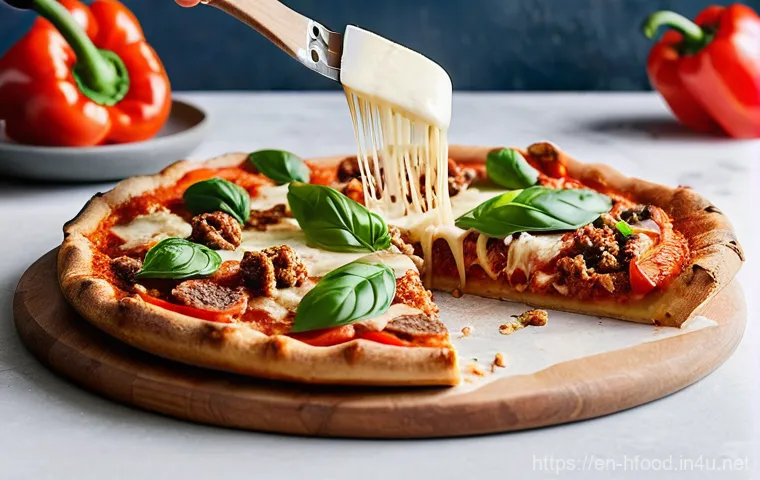
When it comes to pizza, heat is your best friend. I’m talking as hot as your oven can possibly get! Most home ovens max out around 500-550°F (260-290°C), and you want to preheat it to that temperature for at least an hour, or even longer. This isn’t just about getting the air hot; it’s about getting everything inside – your pizza stone or steel, the oven walls – super-heated. This intense heat is what creates that quick, powerful burst of cooking that crisps up the crust almost instantly, preventing it from getting soggy, and simultaneously melts the cheese and cooks the toppings without drying them out. I always feel a little thrill when I open the oven door and feel that blast of heat – it means my pizza is about to get that perfect char and puff. Don’t skimp on this preheating time; it’s probably the most important factor in achieving a truly professional-quality bake at home. It’s the difference between a sad, pale crust and a gorgeously blistered, golden one that snaps when you bite into it.
My Favorite Pizza Stone/Steel Tips
If you’re serious about your homemade pizza, investing in a pizza stone or, even better, a pizza steel, is a game-changer. These thermal masses absorb and retain heat incredibly well, providing an intensely hot surface that instantly crisps the bottom of your crust. I used to just use a baking sheet, and while it works, it’s nowhere near the same league. My first pizza stone made such a huge difference! Always place your stone or steel in the oven while it’s cold, then preheat it with the oven for that full hour (or more). When you launch your pizza onto that scorching surface, you’ll hear that satisfying sizzle – that’s the magic happening! A pizza peel, dusted with a generous amount of cornmeal or semolina flour, is essential for a smooth transfer. If you don’t have a peel, you can carefully slide the pizza off parchment paper onto the stone. The results are astounding: a perfectly crisp bottom crust that’s evenly cooked and beautifully browned. It’s honestly one of the best kitchen investments I’ve ever made for my pizza passion.
Beyond the Bake: Serving Up the Ultimate Experience
Congratulations! You’ve successfully navigated the thrilling journey of crafting your perfect homemade vegan pizza. But wait, the experience isn’t quite over yet! Just like any culinary masterpiece, how you present and serve your pizza can significantly enhance the enjoyment. I’ve learned that a few simple finishing touches and thoughtful pairings can elevate your entire meal, turning a delicious pizza into a truly memorable dining event. It’s all about engaging all the senses – the aroma, the vibrant colors, the contrasting textures. Think of it as the grand finale to your culinary performance. After all that hard work, you want to make sure every single bite is as fantastic as it possibly can be. Don’t rush this last step; savor the moment and add those final flourishes that make your pizza sing. It’s truly amazing how much difference these small details can make in turning a great pizza into an unforgettable experience for you and your guests.
Fresh Herbs and Finishing Touches
Once your pizza comes out of the oven, bubbling and golden, resist the urge to cut into it immediately. Give it a minute or two to set, and then it’s time for the magic of fresh herbs and finishing drizzles. A generous sprinkle of fresh basil leaves (torn, not cut, for better flavor release) or fresh oregano can add an incredible burst of aromatic freshness that cooked herbs just can’t replicate. If I’m making a pizza with a lot of rich flavors, I often love to add a handful of fresh arugula right after it comes out of the oven; the residual heat slightly wilts it, and its peppery bite is a perfect contrast. A drizzle of good quality extra virgin olive oil always adds a luxurious sheen and enhances the flavors. For an extra layer of zing, a balsamic glaze or a sprinkle of chili flakes for those who like a kick can be absolutely divine. These little additions don’t just make your pizza look restaurant-worthy; they add layers of vibrant flavor and aroma that truly complete the dish. It’s the ultimate ‘chef’s kiss’ for your homemade creation.
Pairing Your Pizza: Drinks and Sides
What’s a perfect pizza without the perfect accompaniments? I’m a firm believer that the right drink and a simple side can truly complete the pizza experience. For me, nothing beats a crisp, cold craft beer – maybe a hoppy IPA or a refreshing pilsner, depending on the pizza’s toppings. If you’re not into beer, a dry sparkling wine or even a simple sparkling water with a wedge of lemon or lime can cut through the richness of the pizza beautifully. And for sides? Keep it light and fresh! A simple green salad with a zesty vinaigrette is always a winner; it adds a refreshing contrast and a bit of crunch. Sometimes, I’ll whip up a quick batch of garlic knots using leftover pizza dough. They’re super easy and always a crowd-pleaser. The goal is to complement, not compete with, your star dish. Thinking about these pairings elevates the entire meal from just ‘dinner’ to a true ‘dining experience’. It’s all about making the most of those delicious moments you’ve created in your own kitchen.
글을 마치며
So, there you have it, my friends! We’ve journeyed through the wonderful world of crafting the ultimate homemade vegan pizza, from mastering that perfect crust to layering on those delightful toppings and achieving a pizzeria-worthy bake. I truly hope that sharing my own trials, errors, and ultimate triumphs has inspired you to dive into your kitchen with confidence and a sense of adventure. Remember, every delicious pizza you make is a testament to your creativity and a celebration of incredible plant-based flavors. Don’t be afraid to experiment, have fun with it, and most importantly, enjoy every single glorious slice!
알아두면 쓸모 있는 정보
1.
Embrace the Art of the Preheat
Don’t underestimate oven temperature. A super hot oven and preheated pizza stone or steel are non-negotiable for a crispy crust. It’s truly the difference maker, preventing a soggy bottom and ensuring that delightful golden-brown perfection. I always make sure to preheat my oven and stone for at least an hour at its highest setting – typically around 500-550°F (260-290°C). This intense, sustained heat gives your crust that instant shock it needs to puff up and get wonderfully crisp, just like a professional pizza oven. Trust me, patience here pays off in spades!
2.
Don’t Fear the Freezer (Dough & Sauce Prep)
Life gets busy, right? I often make extra dough and sauce to freeze for those frantic weeknights. Dough can be frozen in individual portions after its first rise – just wrap it tightly in plastic wrap and then foil to prevent freezer burn. Thaw it slowly overnight in the fridge, then bring it to room temperature before shaping. Homemade sauce freezes beautifully in airtight containers or even ice cube trays for smaller portions. Having these ready-to-go components means you’re halfway to a gourmet pizza night with minimal effort, making healthy, delicious meals incredibly accessible even when time is short.
3.
Customize, Customize, Customize!
This is *your* pizza, so feel free to swap ingredients based on what you have or what you love. Don’t feel tied down to specific recipes. No cashews for mozzarella? Try a blend of white beans, nutritional yeast, and a touch of lemon for a creamy white sauce base instead. Out of bell peppers? Roasted zucchini or cherry tomatoes make fantastic substitutes that bring their own unique sweetness. The beauty of vegan cooking is its adaptability and the endless possibilities for flavor combinations. Experiment with different herbs, spices, and vegetable pairings – you might just discover your next favorite topping combination by simply using what’s in your pantry.
4.
Leftovers? Elevate Them!
Don’t just microwave leftover pizza to a sad, rubbery demise. Reheat slices in a dry cast-iron or heavy-bottomed skillet over medium heat for a few minutes until the bottom is crisp. Then, add a few drops of water to the pan and immediately cover it for about a minute. The steam will perfectly re-melt the cheese and warm the toppings without making the crust soggy. Air fryers also work wonders for a quick reheat, giving you a surprisingly fresh-tasting slice with a delightful crispness and a perfectly chewy texture. Trust me, once you try this method, you’ll never nuke a leftover slice again!
5.
The Power of Fresh Herbs (Post-Bake)
I can’t stress this enough – a generous sprinkle of fresh basil leaves (torn, not cut, for better flavor release), fresh oregano, or even a handful of peppery arugula *after* your pizza comes out of the oven adds an unbelievable burst of aromatic freshness. Cooked herbs tend to lose some of their vibrancy, but these post-bake additions brighten up the entire dish, providing a beautiful contrast to the rich, savory flavors. It’s that little professional touch that makes all the difference, enhancing both the visual appeal and the overall taste experience. Seriously, don’t skip this final flourish, it truly makes your pizza sing!
중요 사항 정리
To wrap things up, remember that a fantastic vegan pizza hinges on a few key elements: a perfectly prepared crust, whether homemade or an elevated store-bought option; a flavorful, thoughtfully chosen sauce that complements your toppings; melty, delicious plant-based cheese that bubbles and browns; creatively balanced and often pre-roasted toppings for maximum flavor impact; and finally, a high-heat bake with a pizza stone or steel for that essential pizzeria crisp. Master these, and you’ll be making incredible vegan pizzas every single time, delighting both yourself and your guests.
Frequently Asked Questions (FAQ) 📖
Q: What’s the secret to getting that truly melty, gooey vegan cheese on my homemade pizza, like the real deal I used to love?
A: Oh, I totally get this! For the longest time, I struggled with vegan cheese that just sat there, stubbornly refusing to melt into that luscious, stretchy dream.
My personal journey involved a lot of trial and error, but I’ve finally cracked the code! First off, not all vegan cheeses are created equal. I’ve found that mozzarella-style shreds are usually your best bet for that classic pizza feel.
Brands like Miyoko’s Kitchen or Violife have been total game-changers for me, offering that incredible stretch and melt. When you’re building your pizza, don’t overload it!
A common mistake is piling on too much cheese, which can prevent even the best vegan options from melting properly. My go-to trick is to put a good layer down, but then also consider adding just a tiny drizzle of olive oil or a few drops of water over the cheese before baking.
This helps it steam and soften beautifully. Also, if your oven runs hot, you might want to add the cheese a little later in the baking process, say, with about 5-7 minutes left, to prevent it from getting too crispy or dry.
Believe me, finding your favorite brand and perfecting the application makes all the difference – it truly transforms the experience from “okay” to “OMG!”
Q: My biggest fear is a bland or cardboard-like crust. How can I ensure my homemade vegan pizza crust is ‘just right’ and flavorful, not like those sad, dry ones?
A: You’re speaking my language! A good crust is the foundation of any amazing pizza, and I’ve certainly had my share of disappointing, bland bases. The good news is, making a fantastic vegan crust at home is totally achievable!
If you’re going the homemade route, don’t skimp on the proofing time. Giving your dough enough time to rise develops flavor and creates that beautiful airy-chewy texture we all crave.
I also love to infuse extra flavor directly into the dough itself – a little garlic powder, a sprinkle of dried oregano, or even some Italian seasoning mixed in can elevate it incredibly.
Before it hits the oven, a brush of garlic-infused olive oil on the edges of the crust works wonders for a golden, flavorful finish. If you’re short on time (which, let’s be real, is often the case on a Friday night!), don’t be afraid to use a good quality store-bought dough.
Many grocery stores now carry excellent ready-made pizza doughs that are accidentally vegan. Just remember to let them come to room temperature before stretching.
And here’s a pro tip that changed my pizza game: pre-bake your crust for about 5-7 minutes before adding any sauce or toppings. This helps prevent a soggy bottom and ensures a crispy, perfectly cooked base every single time.
Q: Beyond just basic veggies, what are some of your favorite, truly show-stopping vegan toppings that really make the pizza sing and impress?
A: Okay, this is where the magic really happens and where you can let your creativity run wild! While I love classic veggies, I’ve discovered a whole world of “show-stopping” vegan toppings that take homemade pizza from good to absolutely unforgettable.
Forget just plain mushrooms and peppers (though they’re great too!). I’m talking about caramelized onions – slow-cooked until sweet and jammy, they add an incredible depth of flavor.
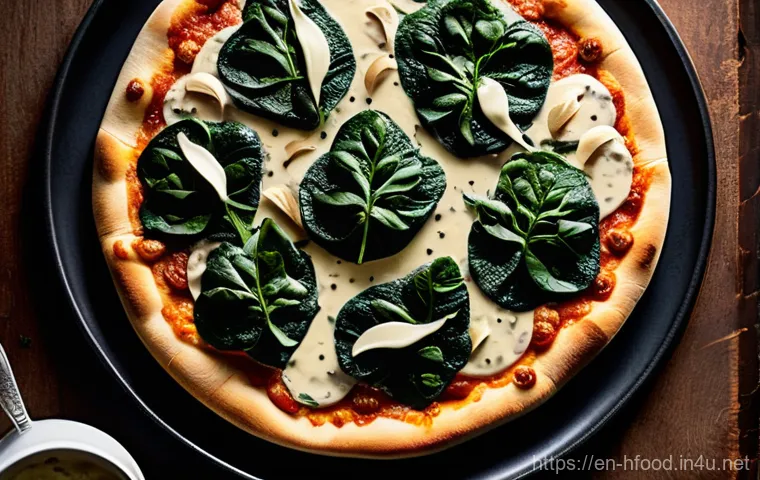
Roasted garlic cloves, dotted generously over the sauce, melt into pure deliciousness. I also adore making a ‘white pizza’ with a creamy cashew sauce base instead of tomato, topped with fresh spinach and artichoke hearts.
For something a bit heartier, thinly sliced vegan pepperoni or crumbled vegan sausage (my current favorite is a spicy Italian style) really hits that savory spot.
And don’t forget the fresh herbs! A sprinkle of fresh basil or oregano after the pizza comes out of the oven brightens everything up. One of my ultimate hacks is a drizzle of balsamic glaze right before serving – that sweet and tangy kick is a total game-changer.
Trust me, once you start experimenting with these kinds of elevated toppings, you’ll never look at a plain cheese pizza the same way again!