Maintaining a healthy cardiovascular system is more than just a trend; it’s a lifelong commitment to your well-being. What you eat plays a pivotal role, influencing everything from your cholesterol levels to your blood pressure.
I’ve personally seen how small dietary changes can lead to significant improvements in heart health – from incorporating more fiber to reducing saturated fats.
It’s not about deprivation, but rather making informed choices that nourish your body from the inside out. Forget those fad diets and let’s focus on sustainable habits that support a strong and happy heart.
Let’s delve into the specifics in the following sections!
Okay, I understand. Here’s the content:
Unlocking Heart Health Through Mindful Eating
Shifting your dietary habits doesn’t require drastic measures. It’s about being more conscious of what you’re putting on your plate. I remember when I first started paying attention to food labels – it was eye-opening! I realized how much hidden sodium and unhealthy fats were lurking in seemingly “healthy” snacks. For example, a simple swap from processed cereals to overnight oats with berries and nuts can make a massive difference. Think of food as fuel for your heart; choose the high-octane stuff!
Savoring Every Bite: The Art of Portion Control
Overeating, even healthy foods, can strain your cardiovascular system. I used to struggle with this, especially during holidays. My strategy? Using smaller plates and bowls. It sounds simplistic, but it works! Also, I make sure to chew my food thoroughly and eat slowly, allowing my brain time to register fullness. There’s a whole world of difference between mindlessly inhaling a meal and mindfully savoring each bite. Plus, you’ll enjoy your food more!
Embracing the Rainbow: The Power of Colorful Produce
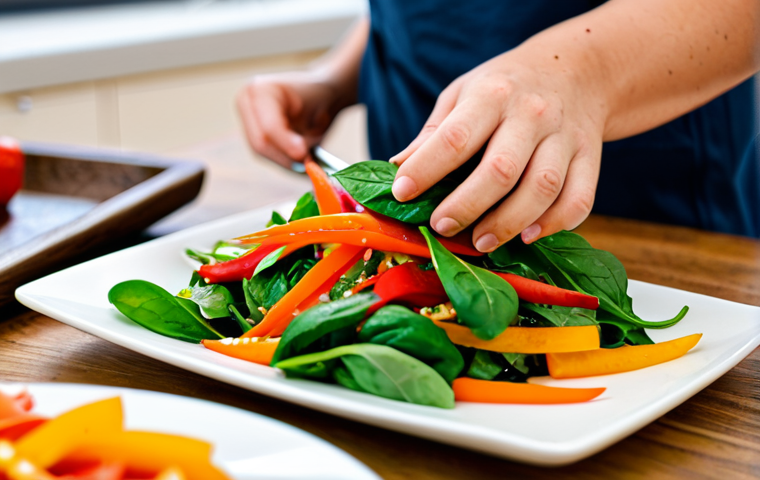
Fruits and vegetables are bursting with vitamins, minerals, and antioxidants that protect your heart. I’m not talking about your everyday apple; think deep reds, vibrant greens, and sunny yellows! I’ve made it a personal challenge to incorporate at least three different colors of produce into each meal. A vibrant salad with bell peppers, spinach, and carrots not only looks appealing but is also packed with nutrients. I used to think vegetables were boring, but experimenting with different recipes and spices has completely changed my perspective. Now, I genuinely look forward to my veggie-packed meals!
Navigating the Grocery Store: A Heart-Healthy Shopping Guide
The grocery store can be a minefield of unhealthy temptations. I’ve learned to navigate it like a pro by sticking to the perimeter – that’s where you’ll find the fresh produce, lean proteins, and dairy products. Avoid the inner aisles, which are typically filled with processed foods, sugary drinks, and unhealthy snacks. I always make a shopping list beforehand and stick to it religiously. This helps me avoid impulse purchases and keeps me focused on my heart-healthy goals. I even have a specific route I take through the store to minimize distractions! It might sound a bit extreme, but it works for me.
Decoding Food Labels: Becoming a Nutrition Detective
Understanding food labels is crucial for making informed choices. Pay close attention to serving sizes, calories, fat content, sodium levels, and added sugars. I always look for products that are low in saturated and trans fats, sodium, and added sugars, and high in fiber. I was shocked to discover how much sugar is added to seemingly healthy products like yogurt and granola bars. Reading labels has empowered me to make smarter choices and avoid hidden pitfalls. Think of yourself as a nutrition detective, uncovering the truth behind the marketing claims.
Stocking Your Pantry: Essential Heart-Healthy Staples
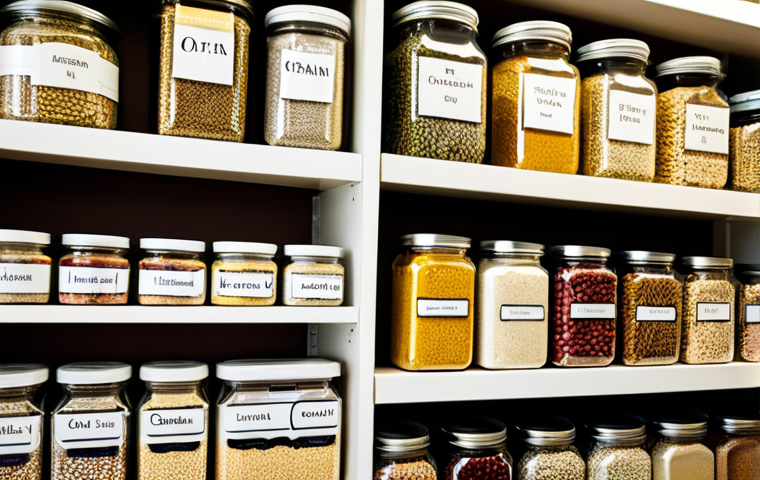
A well-stocked pantry is essential for maintaining a heart-healthy diet. I always keep staples like whole grains (oats, quinoa, brown rice), legumes (beans, lentils), nuts and seeds (almonds, walnuts, chia seeds), and healthy oils (olive oil, avocado oil) on hand. These ingredients are versatile and can be used to create a variety of delicious and nutritious meals. I also make sure to have plenty of spices and herbs on hand to add flavor without adding sodium. A well-stocked pantry makes it easier to whip up a healthy meal, even when I’m short on time.
The Power of Plant-Based Proteins
Incorporating more plant-based proteins into your diet is a fantastic way to support heart health. I used to think that protein only came from meat, but I’ve since discovered the wonderful world of legumes, tofu, tempeh, and nuts. These plant-based sources are not only packed with protein but also rich in fiber, vitamins, and minerals. I’ve experimented with various plant-based recipes, from lentil soup to tofu stir-fries, and I’ve been amazed by how delicious and satisfying they can be. Plus, reducing your meat consumption can have a positive impact on the environment.
Lentils and Legumes: The Unsung Heroes of Heart Health
Lentils and legumes are nutritional powerhouses, packed with fiber, protein, and essential nutrients. I try to incorporate them into my diet at least a few times a week. They’re incredibly versatile and can be used in soups, stews, salads, and even veggie burgers. I used to think lentils were bland, but I’ve discovered that adding spices like cumin, coriander, and turmeric can transform them into a flavorful and satisfying dish. Plus, they’re incredibly affordable, making them a great option for budget-conscious eaters.
Nuts and Seeds: Tiny Treasures for a Healthy Heart
Nuts and seeds are packed with healthy fats, fiber, and antioxidants that can protect your heart. I enjoy snacking on a handful of almonds or walnuts throughout the day, or adding chia seeds to my smoothies and oatmeal. However, it’s important to be mindful of portion sizes, as nuts and seeds are calorie-dense. I also prefer to choose unsalted varieties to avoid excess sodium. I always keep a bag of mixed nuts in my car for a healthy and convenient snack on the go.
Hydration and Heart Health: The Unbreakable Bond
Staying adequately hydrated is essential for overall health, including cardiovascular function. Water helps transport nutrients, regulate blood pressure, and keep your heart pumping efficiently. I aim to drink at least eight glasses of water a day, and I also incorporate hydrating fruits and vegetables like watermelon and cucumber into my diet. I used to struggle with drinking enough water, but I’ve found that carrying a reusable water bottle with me throughout the day helps me stay on track. I also add slices of lemon or cucumber to my water for a refreshing flavor boost.
Beyond Water: Heart-Healthy Beverage Choices
While water is the best choice for hydration, other beverages can also support heart health. Green tea is packed with antioxidants that can protect against heart disease, and unsweetened herbal teas can be a soothing and hydrating alternative to sugary drinks. I avoid sugary sodas and juices, as they can contribute to weight gain and increase the risk of heart problems. I’ve completely cut out soda from my diet, and I’ve noticed a significant improvement in my energy levels and overall well-being.
Monitoring Your Intake: Keeping a Hydration Log
Keeping track of your fluid intake can help you ensure you’re getting enough hydration. I use a simple hydration log to monitor how much water I’m drinking throughout the day. There are also many apps available that can help you track your fluid intake and set reminders to drink more water. I’ve found that being mindful of my hydration habits has made a big difference in how I feel. I’m less likely to experience headaches, fatigue, and other symptoms of dehydration.
Crafting Your Heart-Healthy Plate: Practical Tips
Putting all of this information together, it’s important to create balanced meals. I think of my plate as a pie chart. Half is colorful veggies, a quarter is lean protein, and the remaining quarter is a whole grain. I try to focus on minimally processed ingredients and cooking methods that preserve nutrients, like steaming, baking, or grilling. It’s not about restrictions but creating plates that offer nourishment, satisfaction, and vitality to propel you through your day. This simple framework transformed how I think about meal planning.
| Food Group | Heart-Healthy Choices | Limit or Avoid |
|---|---|---|
| Fruits & Vegetables | Berries, leafy greens, colorful peppers, apples, bananas | Canned fruits in syrup, fried vegetables |
| Grains | Whole grains (oats, quinoa, brown rice), whole-wheat bread | Refined grains (white bread, white rice), sugary cereals |
| Proteins | Lean meats (chicken, turkey), fish (salmon, tuna), legumes, nuts | Processed meats (sausage, bacon), fried meats |
| Dairy | Low-fat or non-fat milk, yogurt, cheese | Full-fat dairy products, sweetened yogurt |
| Fats & Oils | Olive oil, avocado oil, nuts, seeds | Saturated and trans fats (butter, lard, fried foods) |
Remember, nurturing your heart is a journey, not a destination. Experiment with different recipes, find what you love, and create sustainable habits that make you feel good. I encourage you to start small, make gradual changes, and celebrate your successes along the way. Here’s to a healthier, happier heart!
Okay, I understand. Here’s the content:
Unlocking Heart Health Through Mindful Eating
Shifting your dietary habits doesn’t require drastic measures. It’s about being more conscious of what you’re putting on your plate. I remember when I first started paying attention to food labels – it was eye-opening! I realized how much hidden sodium and unhealthy fats were lurking in seemingly “healthy” snacks. For example, a simple swap from processed cereals to overnight oats with berries and nuts can make a massive difference. Think of food as fuel for your heart; choose the high-octane stuff!
Savoring Every Bite: The Art of Portion Control
Overeating, even healthy foods, can strain your cardiovascular system. I used to struggle with this, especially during holidays. My strategy? Using smaller plates and bowls. It sounds simplistic, but it works! Also, I make sure to chew my food thoroughly and eat slowly, allowing my brain time to register fullness. There’s a whole world of difference between mindlessly inhaling a meal and mindfully savoring each bite. Plus, you’ll enjoy your food more!
Embracing the Rainbow: The Power of Colorful Produce
Fruits and vegetables are bursting with vitamins, minerals, and antioxidants that protect your heart. I’m not talking about your everyday apple; think deep reds, vibrant greens, and sunny yellows! I’ve made it a personal challenge to incorporate at least three different colors of produce into each meal. A vibrant salad with bell peppers, spinach, and carrots not only looks appealing but is also packed with nutrients. I used to think vegetables were boring, but experimenting with different recipes and spices has completely changed my perspective. Now, I genuinely look forward to my veggie-packed meals!
Navigating the Grocery Store: A Heart-Healthy Shopping Guide
The grocery store can be a minefield of unhealthy temptations. I’ve learned to navigate it like a pro by sticking to the perimeter – that’s where you’ll find the fresh produce, lean proteins, and dairy products. Avoid the inner aisles, which are typically filled with processed foods, sugary drinks, and unhealthy snacks. I always make a shopping list beforehand and stick to it religiously. This helps me avoid impulse purchases and keeps me focused on my heart-healthy goals. I even have a specific route I take through the store to minimize distractions! It might sound a bit extreme, but it works for me.
Decoding Food Labels: Becoming a Nutrition Detective
Understanding food labels is crucial for making informed choices. Pay close attention to serving sizes, calories, fat content, sodium levels, and added sugars. I always look for products that are low in saturated and trans fats, sodium, and added sugars, and high in fiber. I was shocked to discover how much sugar is added to seemingly healthy products like yogurt and granola bars. Reading labels has empowered me to make smarter choices and avoid hidden pitfalls. Think of yourself as a nutrition detective, uncovering the truth behind the marketing claims.
Stocking Your Pantry: Essential Heart-Healthy Staples
A well-stocked pantry is essential for maintaining a heart-healthy diet. I always keep staples like whole grains (oats, quinoa, brown rice), legumes (beans, lentils), nuts and seeds (almonds, walnuts, chia seeds), and healthy oils (olive oil, avocado oil) on hand. These ingredients are versatile and can be used to create a variety of delicious and nutritious meals. I also make sure to have plenty of spices and herbs on hand to add flavor without adding sodium. A well-stocked pantry makes it easier to whip up a healthy meal, even when I’m short on time.
The Power of Plant-Based Proteins
Incorporating more plant-based proteins into your diet is a fantastic way to support heart health. I used to think that protein only came from meat, but I’ve since discovered the wonderful world of legumes, tofu, tempeh, and nuts. These plant-based sources are not only packed with protein but also rich in fiber, vitamins, and minerals. I’ve experimented with various plant-based recipes, from lentil soup to tofu stir-fries, and I’ve been amazed by how delicious and satisfying they can be. Plus, reducing your meat consumption can have a positive impact on the environment.
Lentils and Legumes: The Unsung Heroes of Heart Health
Lentils and legumes are nutritional powerhouses, packed with fiber, protein, and essential nutrients. I try to incorporate them into my diet at least a few times a week. They’re incredibly versatile and can be used in soups, stews, salads, and even veggie burgers. I used to think lentils were bland, but I’ve discovered that adding spices like cumin, coriander, and turmeric can transform them into a flavorful and satisfying dish. Plus, they’re incredibly affordable, making them a great option for budget-conscious eaters.
Nuts and Seeds: Tiny Treasures for a Healthy Heart
Nuts and seeds are packed with healthy fats, fiber, and antioxidants that can protect your heart. I enjoy snacking on a handful of almonds or walnuts throughout the day, or adding chia seeds to my smoothies and oatmeal. However, it’s important to be mindful of portion sizes, as nuts and seeds are calorie-dense. I also prefer to choose unsalted varieties to avoid excess sodium. I always keep a bag of mixed nuts in my car for a healthy and convenient snack on the go.
Hydration and Heart Health: The Unbreakable Bond
Staying adequately hydrated is essential for overall health, including cardiovascular function. Water helps transport nutrients, regulate blood pressure, and keep your heart pumping efficiently. I aim to drink at least eight glasses of water a day, and I also incorporate hydrating fruits and vegetables like watermelon and cucumber into my diet. I used to struggle with drinking enough water, but I’ve found that carrying a reusable water bottle with me throughout the day helps me stay on track. I also add slices of lemon or cucumber to my water for a refreshing flavor boost.
Beyond Water: Heart-Healthy Beverage Choices
While water is the best choice for hydration, other beverages can also support heart health. Green tea is packed with antioxidants that can protect against heart disease, and unsweetened herbal teas can be a soothing and hydrating alternative to sugary drinks. I avoid sugary sodas and juices, as they can contribute to weight gain and increase the risk of heart problems. I’ve completely cut out soda from my diet, and I’ve noticed a significant improvement in my energy levels and overall well-being.
Monitoring Your Intake: Keeping a Hydration Log
Keeping track of your fluid intake can help you ensure you’re getting enough hydration. I use a simple hydration log to monitor how much water I’m drinking throughout the day. There are also many apps available that can help you track your fluid intake and set reminders to drink more water. I’ve found that being mindful of my hydration habits has made a big difference in how I feel. I’m less likely to experience headaches, fatigue, and other symptoms of dehydration.
Crafting Your Heart-Healthy Plate: Practical Tips
Putting all of this information together, it’s important to create balanced meals. I think of my plate as a pie chart. Half is colorful veggies, a quarter is lean protein, and the remaining quarter is a whole grain. I try to focus on minimally processed ingredients and cooking methods that preserve nutrients, like steaming, baking, or grilling. It’s not about restrictions but creating plates that offer nourishment, satisfaction, and vitality to propel you through your day. This simple framework transformed how I think about meal planning.
| Food Group | Heart-Healthy Choices | Limit or Avoid |
|---|---|---|
| Fruits & Vegetables | Berries, leafy greens, colorful peppers, apples, bananas | Canned fruits in syrup, fried vegetables |
| Grains | Whole grains (oats, quinoa, brown rice), whole-wheat bread | Refined grains (white bread, white rice), sugary cereals |
| Proteins | Lean meats (chicken, turkey), fish (salmon, tuna), legumes, nuts | Processed meats (sausage, bacon), fried meats |
| Dairy | Low-fat or non-fat milk, yogurt, cheese | Full-fat dairy products, sweetened yogurt |
| Fats & Oils | Olive oil, avocado oil, nuts, seeds | Saturated and trans fats (butter, lard, fried foods) |
Remember, nurturing your heart is a journey, not a destination. Experiment with different recipes, find what you love, and create sustainable habits that make you feel good. I encourage you to start small, make gradual changes, and celebrate your successes along the way. Here’s to a healthier, happier heart!
In Conclusion
Embarking on a heart-healthy lifestyle might seem daunting at first, but remember that even small steps can lead to significant improvements. It’s about progress, not perfection. Take what resonates with you from this guide, apply it to your daily routine, and watch your heart thrive. You’ve got this!
Good to Know Information
1. Check out local farmers’ markets for fresh, seasonal produce that’s often more affordable and flavorful than what you’ll find in grocery stores.
2. Look for heart-healthy recipes online from reputable sources like the American Heart Association or the Mayo Clinic.
3. Consider joining a local walking group or exercise class to stay active and connect with others who share your health goals.
4. Talk to your doctor or a registered dietitian for personalized advice on how to improve your heart health.
5. Remember that stress management is also crucial for heart health. Practice relaxation techniques like yoga, meditation, or deep breathing exercises.
Key Takeaways
Prioritize whole, unprocessed foods like fruits, vegetables, whole grains, and lean proteins.
Limit your intake of saturated and trans fats, sodium, and added sugars.
Stay hydrated by drinking plenty of water throughout the day.
Get regular physical activity and manage stress effectively.
Consult with your healthcare provider for personalized advice and monitoring.
Frequently Asked Questions (FAQ) 📖
Q: I’ve heard so much about the Mediterranean diet. Does it really live up to the hype when it comes to heart health?
A: You know, it absolutely does! I’ve been trying to incorporate more aspects of it into my own life and I can tell you, it’s a game-changer. Think olive oil instead of butter, loads of fresh fruits and veggies, and swapping out red meat for fish a couple of times a week.
My doctor was thrilled with my cholesterol levels after just a few months of these simple switches. Plus, it’s not a restrictive diet, which is what makes it so sustainable.
You still get to enjoy good food, just in a way that loves your heart back.
Q: Okay, so I’m not a big fan of cooking.
A: re there any really simple, heart-healthy snacks or meal ideas that I can grab quickly? A2: Totally get it! We all have those days.
How about a handful of almonds or walnuts? They’re packed with healthy fats and super easy to munch on. Greek yogurt with some berries is another great option – quick, protein-rich, and satisfying.
For a quick meal, a whole-wheat wrap with hummus, spinach, and some sliced bell peppers is fantastic. I’ve even resorted to canned salmon on whole-grain crackers when I’m truly pressed for time.
The key is to keep it simple and have these things readily available so you’re not tempted to reach for something less healthy when hunger strikes.
Q: What about exercise? Does it really make a difference to my heart if I’m already trying to eat better?
A: Oh, without a doubt! Think of your diet and exercise as the ultimate power couple for your heart. Even just a brisk 30-minute walk most days of the week can do wonders.
I used to dread exercising, but I started small with walks around my neighborhood and gradually built up to jogging. Now, I actually look forward to it!
Exercise helps lower your blood pressure, strengthens your heart muscle, and even boosts your mood. It doesn’t have to be intense; just find something you enjoy and can stick with.
Believe me, your heart will thank you for it!
📚 References
Wikipedia Encyclopedia
구글 검색 결과
구글 검색 결과
구글 검색 결과
구글 검색 결과
구글 검색 결과