We all know the struggle, right? Standing in front of the fridge, debating between a healthy, home-cooked meal and the siren call of takeout. Losing weight often feels like an uphill battle, but what if I told you the secret isn’t just *what* you eat, but *how* you cook it?
From whipping up delicious, nutrient-dense meals that keep you full for hours to mastering simple kitchen hacks that shave off hundreds of calories without sacrificing flavor, transforming your cooking habits can be a game-changer for your waistline and your wallet.
I’ve personally experimented with countless techniques – from perfecting air fryer recipes to simplifying meal prep with sheet pan dinners – and I’ve found that smart cooking can actually make healthy eating enjoyable and sustainable, not a chore.
If you’re tired of bland diet food and ready to discover how simple shifts in your cooking routine can lead to incredible, lasting results, then let’s dive into the delicious world of weight-loss friendly cooking methods and strategies that truly work!
Flavor First, Calories Second: Mastering Smart Seasoning and Swaps
It’s a common misconception that healthy eating means sacrificing flavor, but honestly, that couldn’t be further from the truth! I used to think the same, slaving away over bland chicken and steamed veggies.
But after years of experimenting in my own kitchen, I’ve discovered that the real secret to sustainable weight loss isn’t just reducing calories; it’s making every single bite enjoyable.
When your food tastes amazing, you feel satisfied, and you’re far less likely to reach for those sneaky, high-calorie snacks later. It’s all about tricking your taste buds into thinking they’re getting something decadent, even when it’s super healthy.
I’ve personally found that once you start focusing on building layers of flavor with herbs, spices, and smart acidic ingredients, you’ll barely miss the extra butter or cheese.
It’s like a magic trick for your metabolism, honestly! I’ve been able to transform some of my absolute favorite comfort foods into lighter, equally delicious versions, and it’s been a total game-changer for my waistline and my energy levels.
This approach allows for so much creativity and freedom in cooking, making the entire journey feel less like a diet and more like a delicious adventure.
The Magic of Herbs and Spices
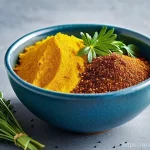
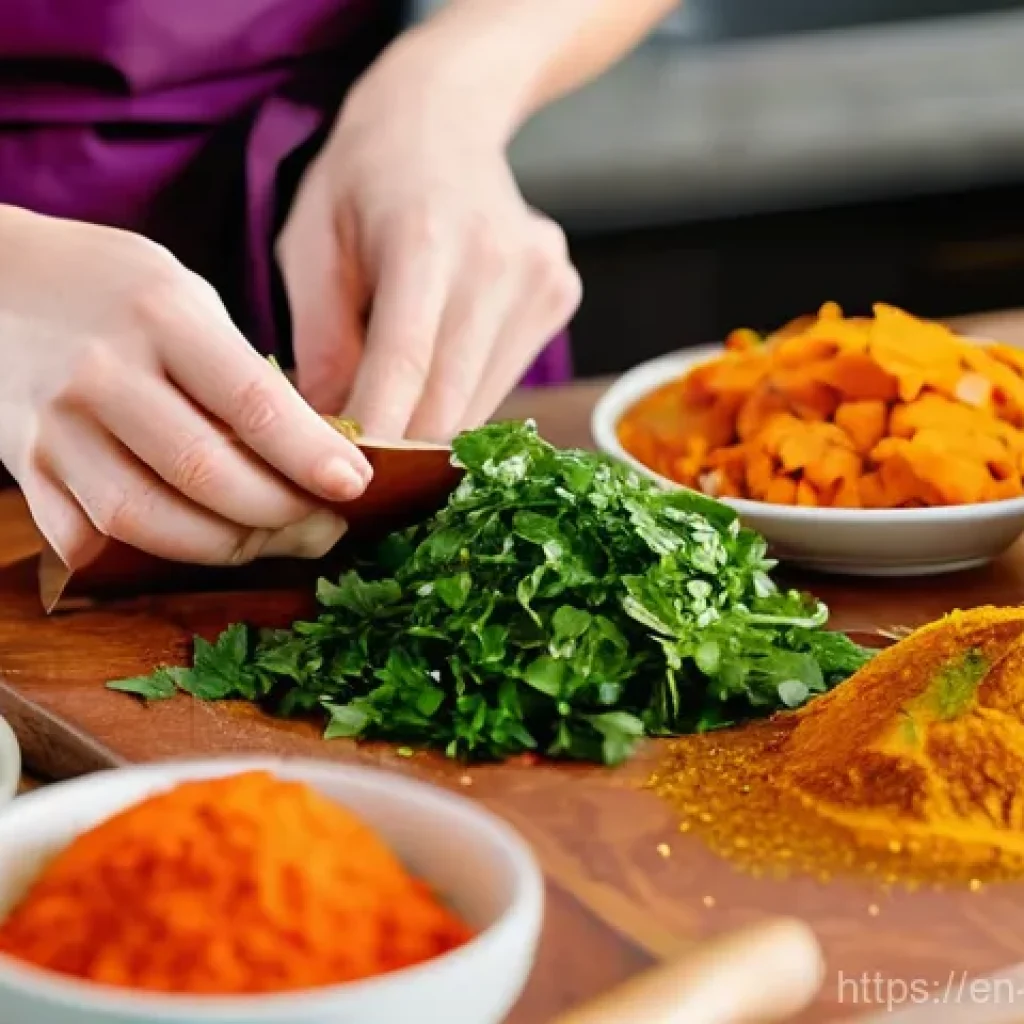
- Unlocking Global Tastes: Forget boring salt and pepper! I’ve filled my spice rack with everything from smoked paprika and cumin to Italian herbs and vibrant turmeric. These aren’t just flavor enhancers; many actually have incredible health benefits. Turmeric, for instance, is known for its anti-inflammatory properties, and chili flakes can even give your metabolism a tiny kick. It’s amazing how a pinch of the right spice can transform a simple chicken breast into a culinary masterpiece.
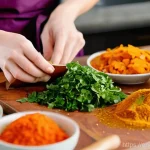
- Building Flavor Profiles: I’ve learned to layer flavors, starting with aromatics like garlic and onion, then adding my chosen spices, and finishing with fresh herbs like cilantro or parsley. This multi-layered approach ensures every dish bursts with taste, making healthy ingredients sing without needing heavy sauces or excessive fats.
Smart Swaps for a Lighter Plate
- Veggies as the Star: My absolute favorite hack? Substituting refined carbs with vegetables. Zucchini noodles instead of pasta, cauliflower rice instead of white rice, or even finely chopped mushrooms mixed into ground meat for burgers. It’s incredible how much bulk and nutrition you add while slashing calories. I personally love making “zoodles” with a spiralizer; it takes minutes and feels incredibly satisfying.
- Lighter Dairy and Fats: Opt for Greek yogurt instead of sour cream in dips, or use a splash of vegetable broth to sauté instead of oil. If I *do* use oil, I measure it precisely and often go for an olive oil spray to get even coverage with less product. Small changes, big impact over time!
Harnessing the Power of Your Oven: Roasting and Baking for a Lighter Plate
My oven is, without a doubt, one of my most cherished kitchen tools for healthy eating. When I first started my weight loss journey, I relied heavily on stovetop cooking, which often meant more oil for sautéing or frying.
But then I discovered the sheer magic of roasting and baking, and it opened up a whole new world of delicious, hands-off meals that are naturally lower in fat.
There’s something wonderfully satisfying about tossing a medley of vegetables and protein onto a sheet pan, sliding it into the oven, and letting the dry heat do all the heavy lifting.
The flavors intensify, vegetables caramelize beautifully, and meats come out tender and juicy, all without needing to drown them in unhealthy fats. It’s truly a revelation for anyone who wants to enjoy hearty, flavorful meals without the guilt or the constant monitoring that stovetop cooking often demands.
Plus, the cleanup? Often just one sheet pan! This method has been a cornerstone of my meal prep routine, making healthy eating feel effortless even on my busiest days.
The Sheet Pan Supper Sensation
- One Pan Wonders: Sheet pan dinners have truly revolutionized my weeknights. Imagine this: chicken breast, broccoli florets, bell peppers, and sweet potato cubes, all tossed with a light seasoning and a minimal drizzle of olive oil, then roasted to perfection on a single sheet. The beauty is that everything cooks together, infusing flavors, and reducing cleanup dramatically. This method saves me so much time and effort, and the results are consistently fantastic.
- Flavor Intensification: Roasting brings out the natural sweetness in vegetables like carrots, Brussels sprouts, and onions. They caramelize slightly, developing a depth of flavor that steaming simply can’t achieve. This intense flavor means you need fewer rich sauces or toppings to make the dish exciting.
Baking for Guilt-Free Treats and Mains
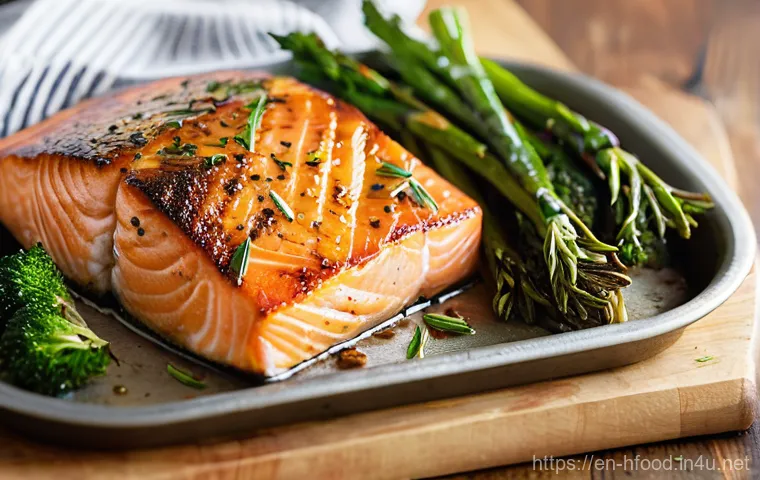
- Healthy Baking Basics: Baking isn’t just for cakes! I love baking fish fillets, lean ground turkey meatloaf, or even individual portions of egg muffins for breakfast. The dry heat cooks food evenly and gently, preserving moisture without adding extra fat. It’s a fantastic way to prepare proteins that might otherwise require more oil on the stovetop.
- Sweet Tooth Solutions: Even desserts can be made healthier through smart baking. Think baked apples with cinnamon, whole-wheat banana bread with reduced sugar, or individual berry crumbles. Baking allows for precise control over ingredients, making it easier to cut down on unnecessary fats and sugars while still enjoying a delicious treat.
The Air Fryer: My Secret Weapon for Guilt-Free Crispy Cravings
Honestly, if there’s one kitchen gadget that has truly transformed my approach to healthy eating, it’s my air fryer. Before I got one, I genuinely thought I’d have to say goodbye to all those wonderfully crispy textures I loved – things like French fries, chicken nuggets, and even crispy vegetables.
But the air fryer has swooped in like a superhero, delivering all that satisfying crunch with just a fraction of the oil. It works by circulating hot air around the food, creating a convection effect that mimics deep-frying.
The first time I made “fries” with just a tiny spray of oil, I was absolutely floored by how perfectly golden and crisp they turned out. It felt like I was cheating, in the best possible way!
This little machine has made healthy eating so much more exciting and less restrictive, proving that you really can have your cake (or, well, your crispy chicken) and eat it too, without derailing your weight loss goals.
It’s a lifesaver for those moments when you just *need* something crunchy.
Crispy Delights, Minus the Oil
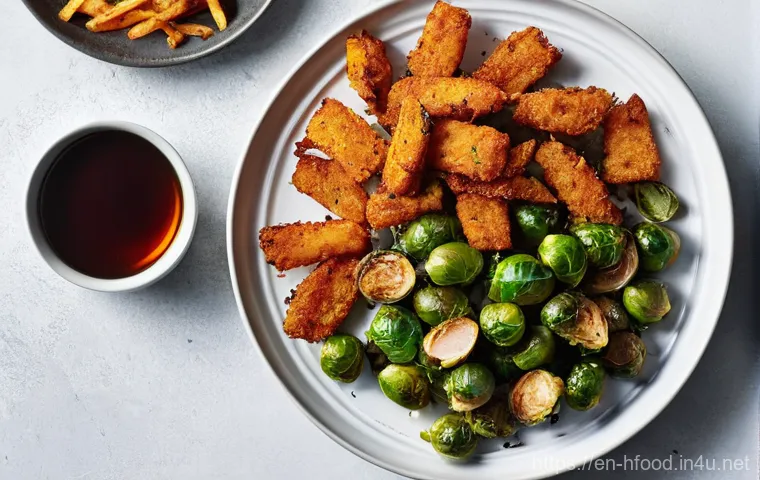
- Frying Without the Fat: My air fryer has become indispensable for making healthier versions of classic fried foods. From chicken wings and fish fillets to even Brussels sprouts and cauliflower, everything comes out incredibly crispy and delicious with minimal oil. It’s incredible how efficient it is at getting that perfect golden-brown crust without the greasy aftermath.
- Quick & Easy Meals: Beyond just crisping, the air fryer is fantastic for quick meals. I often use it to cook frozen vegetables straight from the freezer, perfectly roasted in under 15 minutes, or to reheat leftovers, giving them a fresh, just-cooked texture instead of a soggy microwave result.
Expanding Your Air Fryer Horizons
- Beyond the Basics: Don’t limit your air fryer to just “fries.” I’ve experimented with baking small batches of cookies, making crispy chickpeas for snacks, and even roasting small cuts of meat like pork tenderloin or chicken thighs. It’s surprisingly versatile and great for cooking for one or two people without heating up the entire oven.
- My Favorite Air Fryer Recipes:
- Crispy Air Fryer Broccoli with garlic powder and a pinch of red pepper flakes.
- Homemade Sweet Potato Fries with a sprinkle of smoked paprika.
- “Fried” Chicken Tenders coated in seasoned breadcrumbs and a light egg wash.
Beyond Basic Boilers: Steaming and Poaching for Nutrient-Packed Meals
While I absolutely adore the crispy, caramelized goodness that roasting and air frying offer, there’s a special place in my heart for the gentle, health-preserving power of steaming and poaching.
These methods might not give you that intense crunch, but what they do offer is unparalleled nutrient retention and incredibly tender, moist results, especially for delicate foods.
I used to think of steaming as boring, reserved only for bland diet food, but oh, how wrong I was! When done right, with thoughtful seasoning and pairing, steamed and poached dishes can be incredibly flavorful and satisfying.
It’s all about respecting the natural flavors of your ingredients and letting them shine. Plus, for those days when your stomach needs a break or you’re focusing on maximum nutrient intake, these methods are absolute gold.
They require very little added fat, making them stellar choices for anyone focused on shedding pounds while nourishing their body deeply.
Gentle Cooking for Maximum Nutrition
- Preserving Vital Nutrients: Unlike boiling, where many water-soluble vitamins can leach into the cooking water, steaming and poaching keep those precious nutrients right where they belong – in your food. This means you’re getting the most bang for your nutritional buck, which is crucial when you’re trying to fuel your body with fewer calories.
- Perfectly Tender Textures: Steaming vegetables yields bright, crisp-tender results, while poaching fish or chicken breasts ensures they remain incredibly moist and never dry out. This gentle cooking method is ideal for showcasing the natural delicacy of ingredients like asparagus, salmon, or lean ground chicken.
Elevating Steamed and Poached Dishes
- Flavorful Infusions: Don’t just use plain water! I love adding aromatic ingredients to my steaming liquid – lemon slices, fresh ginger, garlic cloves, or even a splash of white wine. This infuses the food with subtle flavors as it cooks, transforming a simple steamed dish into something truly special.
- Sauces and Dressings: Since the cooking process adds very little fat, this is where you can get creative with light, flavorful sauces. Think a drizzle of lemon-herb vinaigrette, a spoonful of fresh salsa, or a light peanut sauce. These add excitement without piling on calories.
Prepping Like a Pro: My Strategy for Sustainable Healthy Eating
Let’s be real, life gets busy. And when hunger strikes and you’re short on time, that takeout menu suddenly looks incredibly appealing. That’s why I’ve come to rely heavily on meal prepping.
It’s not just about cooking in advance; it’s a strategic move that sets you up for success throughout the entire week. I used to dread Sundays because it meant hours in the kitchen, but I’ve streamlined my process so much that it’s now something I actually look forward to.
The feeling of opening my fridge on a Tuesday evening and seeing perfectly portioned, delicious, healthy meals staring back at me is priceless. It removes the stress of last-minute decisions and eliminates the temptation to grab something unhealthy.
This proactive approach has been instrumental in keeping me on track with my weight loss goals, even when my schedule goes totally haywire. Trust me, a little planning goes a long way in making healthy eating a sustainable lifestyle, not just a temporary diet phase.
My Weekend Prep Rituals
- Dedicated Prep Time: I set aside a couple of hours on Sunday afternoons. This isn’t just for cooking; it’s for planning. I decide on 2-3 main dishes, maybe a versatile protein, and a couple of healthy snacks. Having a clear plan prevents me from aimlessly wandering the grocery aisles and ensures I buy exactly what I need.
- Batch Cooking Staples: I focus on cooking versatile components that can be mixed and matched. Think a big batch of roasted chicken breast or lean ground turkey, a pot of quinoa or brown rice, and a huge container of chopped raw veggies. These staples become the building blocks for salads, bowls, or quick stir-fries throughout the week.
Smart Storage and Portioning
- Container Organization: Good quality, BPA-free containers are your best friend here. I swear by glass containers because they’re easy to clean and microwave safely. I portion out my meals directly into individual containers as soon as they’re cooked and cooled. This takes the guesswork out of calorie counting during the week.
- Freezing for Future You: Not everything needs to be eaten fresh within a few days. Soups, stews, chili, and even some cooked grains freeze beautifully. I often make double batches of these and freeze individual portions, creating an instant healthy meal whenever I need it. It’s like having a personal chef on call!
Rethinking Fats: Cooking with Intention for Heart Health and Weight Loss
When I first started trying to lose weight, I fell into the common trap of thinking *all* fats were bad. I meticulously cut every gram of fat, only to find my meals bland and unsatisfying, leaving me constantly hungry.
It was a miserable experience, and I quickly learned that not all fats are created equal, and some are absolutely essential for our health and satiety.
The key, I discovered, isn’t to eliminate fat entirely, but to choose the right kinds and use them with intention and moderation. Healthy fats actually play a crucial role in making meals satisfying, helping us absorb fat-soluble vitamins, and supporting overall bodily functions.
Embracing this nuanced view of fats has been a revelation, transforming my cooking from restrictive to truly nourishing. It’s about being mindful of *how* much and *what kind* of fat you’re using, turning every meal into an opportunity to fuel your body intelligently.
Choosing Your Fats Wisely
Navigating the world of dietary fats can feel a bit like a minefield, but it doesn’t have to be. For cooking, I mostly stick to unsaturated fats, which are generally better for heart health. I’ve personally seen a huge difference in my energy levels and overall well-being since making these intentional choices. It’s not just about cutting calories, but about adding quality to every ingredient. Below is a quick guide to some of the fats I keep in my kitchen and how I use them:
| Fat Type | Best Use Cases | Key Benefits | My Personal Tip |
|---|---|---|---|
| Extra Virgin Olive Oil | Dressings, low-heat sautéing, drizzling over finished dishes | Heart-healthy monounsaturated fats, antioxidants | Use it for flavor, not for deep frying. A little goes a long way! |
| Avocado Oil | High-heat cooking, roasting, baking | High smoke point, rich in monounsaturated fats | My go-to for oven dishes where I need good heat stability. |
| Coconut Oil (Unrefined) | Specific flavor profiles (Asian, curry), moderate heat sautéing | Medium-chain triglycerides (MCTs) | Use sparingly due to saturated fat content; enjoy its unique flavor. |
| Grapeseed Oil | Light sautéing, homemade vinaigrettes | Light flavor, good for delicate dishes | Excellent for blending into homemade salad dressings. |
Mindful Application and Measurement
- Measure, Don’t Guess: This was a hard lesson for me! It’s easy to eyeball a “splash” of oil and end up adding hundreds of extra calories. Now, I always measure with spoons or use an oil mister for light applications, especially when roasting or air frying. It sounds tedious, but it becomes second nature and makes a massive difference.
- Infused Oils for Flavor: Instead of using a lot of plain oil, I sometimes make my own infused oils with garlic, chili, or herbs. A small amount of these highly flavorful oils can provide a huge taste boost without adding excessive fat. It’s a great way to elevate simple steamed veggies or lean proteins.
Crafting Mindful Portions: The Unsung Hero of Weight-Loss Cooking
You know that feeling when you’ve cooked up a truly delicious, healthy meal, but then you accidentally eat enough for two people? Yeah, I’ve been there more times than I care to admit!
It took me a while to realize that even the healthiest, most perfectly prepared food can hinder weight loss if the portions are out of control. It’s not just about *what* you cook, but *how much* of it you enjoy.
Learning to master portion control in the kitchen has been one of the biggest revelations on my journey. It’s about being intentional with every serving, ensuring you feel satisfied, not stuffed, and truly honoring your body’s hunger cues.
This skill is honestly as crucial as choosing the right ingredients or cooking methods, because it brings all those healthy efforts together in a way that truly supports your goals.
It helps you stay consistent and build healthy habits that last, without ever feeling deprived.
Visual Cues and Practical Tools
- The Hand Method: This simple trick has been a lifesaver for me when I’m plating. Your palm roughly equals a serving of protein, a cupped hand for carbs like rice or pasta, and your entire fist for vegetables. It’s a quick, visual guide that works anywhere, anytime. I use it constantly!
- Smaller Plates, Bigger Impact: Believe it or not, the size of your dinner plate can play a psychological trick on you. Switching from a large dinner plate to a smaller salad plate instantly makes your portion look more substantial, leading to greater satisfaction. I’ve found this to be incredibly effective in curbing overeating.
Batching and Balanced Plating
- Pre-Portioning Perfection: As I mentioned with meal prep, portioning food into individual containers right after cooking is a game-changer. When I reach for a meal, there’s no decision-making needed; the healthy portion is already set. This removes the temptation to go back for seconds.
- The Balanced Plate Approach: I aim for a plate that’s roughly half non-starchy vegetables, a quarter lean protein, and a quarter complex carbohydrates. This visual guide ensures I’m getting a good mix of nutrients, fiber, and protein, which keeps me fuller for longer and provides sustained energy throughout the day.
Concluding Thoughts
Whew! We’ve covered a lot today, haven’t we? Looking back at my own journey, the biggest shift wasn’t about willpower or deprivation; it was about shifting my mindset and cooking smarter, not harder. Truly, once I started treating my kitchen like a playground for flavors and healthy techniques, everything changed. It stopped feeling like a chore and started feeling like a genuine joy. Remember, sustainable weight loss and healthy living aren’t about quick fixes or harsh restrictions. It’s about building a repertoire of delicious, satisfying meals that nourish your body and delight your taste buds, making the journey enjoyable and, most importantly, something you can stick with for the long haul. Keep experimenting, keep enjoying, and keep those taste buds happy!
Useful Information to Know
1. Stay Hydrated: Drinking plenty of water throughout the day is a simple yet incredibly effective habit. Often, what we perceive as hunger is actually just thirst. Keep a water bottle handy and sip regularly, especially before meals, to help you feel fuller and support your metabolism.
2. Prioritize Sleep: It might sound unrelated to cooking, but getting adequate, quality sleep (around 7-9 hours for most adults) plays a massive role in weight management. Poor sleep can throw your hunger hormones out of whack, leading to increased cravings and a harder time making healthy food choices the next day.
3. Mindful Eating: This is a game-changer. Instead of rushing through meals or eating while distracted, take the time to truly savor each bite. Pay attention to the textures, flavors, and how your body feels. Eating slowly gives your brain time to register fullness, preventing overeating and enhancing your enjoyment of the food.
4. Incorporate Movement: While this post focuses on the kitchen, remember that physical activity complements healthy eating perfectly. Even small bursts of movement throughout your day – a brisk walk, taking the stairs, or a quick home workout – can boost your energy, improve your mood, and support your overall health journey.
5. Listen to Your Body: This is perhaps the most crucial tip. Learn to distinguish between true physical hunger and emotional hunger. Your body sends powerful signals; learn to honor them. Eat when you’re hungry, and stop when you’re comfortably satisfied, not stuffed. This intuitive approach helps you build a healthier, more trusting relationship with food.
Key Takeaways
If there’s anything I want you to remember from today, it’s this: healthy eating absolutely *can* be delicious and deeply satisfying. We explored how smart seasoning with herbs and spices can elevate any dish, making you forget all about excess fats. We also talked about embracing various cooking methods like roasting, air frying, steaming, and poaching, each offering unique benefits for flavor and nutrient retention, all while keeping calories in check. Don’t forget the power of meal prepping to set yourself up for success, and the critical role of choosing healthy fats wisely and mastering portion control. Ultimately, it’s about making small, intentional changes that add up to a truly sustainable and enjoyable lifestyle, transforming your relationship with food for the better, one delicious, guilt-free meal at a time!
Frequently Asked Questions (FAQ) 📖
Q: What are the absolute best cooking methods to slash calories without making my meals taste, well, boring?
A: Oh, I totally get this struggle! We all want to lose weight, but nobody wants to eat sad, flavorless food forever, right? From my own kitchen experiments, I’ve found that it’s all about playing smart with your cooking methods.
Ditching heavy oils and frying is step one. Instead, I’ve become a huge fan of air frying, roasting, baking, steaming, and grilling. Seriously, these methods are game-changers!
When you air fry or roast vegetables, for example, they develop this incredible natural sweetness and a satisfying texture that you just don’t get from boiling.
I used to think roasted veggies were just “okay,” but then I started adding a tiny drizzle of olive oil, a squeeze of lemon, and a sprinkle of smoked paprika, and bam!
— pure deliciousness. It’s amazing how much flavor you can get with just a couple of teaspoons of oil for a whole tray of veggies. Steaming might sound a bit bland, but it’s fantastic for preserving nutrients and keeping foods naturally filling.
Think perfectly steamed fish with fresh herbs and a splash of citrus – light, healthy, and incredibly satisfying. Grilling also adds a fantastic smoky char that makes lean proteins like chicken or fish feel like a treat.
The key is to leverage natural flavors and seasonings – herbs, spices, citrus zest, and vinegars are your best friends here. These small shifts make a massive difference to your waistline without making you feel deprived.
It’s all about making those healthy choices actually enjoyable, not just tolerable!
Q: I’m constantly on the go, and healthy cooking often feels like a huge time commitment. How can I make it more enjoyable and sustainable when I’m short on time?
A: Believe me, I’ve been there! Staring at an empty fridge after a long day, and the takeout menu just sings to you. But I’ve discovered some fantastic hacks that have totally transformed my relationship with healthy cooking, even when time is tight.
The biggest game-changer? Meal prepping and embracing one-pot wonders! Instead of cooking a whole new meal every single night, dedicate an hour or two on a Sunday to some strategic prep.
I’ll often roast a big batch of chicken or veggies, cook up a pot of quinoa or brown rice, and chop up a bunch of fresh produce. Then, throughout the week, it’s just a matter of mixing and matching.
It feels less like “cooking” and more like “assembling” a delicious meal. Sheet pan dinners are another personal favorite. You literally throw everything – protein, veggies, and seasonings – onto one sheet pan, pop it in the oven, and come back to a complete meal with minimal cleanup.
It’s a lifesaver! And don’t underestimate the power of keeping healthy staples on hand like canned beans, frozen fruits and vegetables, and pre-cooked grains.
Having these ready means you can whip up a nourishing meal in 15-20 minutes, even when you’re exhausted. It takes the “chore” out of cooking and makes healthy eating feel so much more achievable.
Q: Does cooking for weight loss actually save money, or does “healthy eating” always come with a hefty price tag?
A: This is such an important question, and honestly, it’s a huge motivator for me! There’s this common misconception that healthy eating means expensive, exotic ingredients, but from my own experience, cooking for weight loss has absolutely saved me a ton of money.
Think about it: every time you choose to cook at home, you’re not paying for restaurant markups, delivery fees, or the hidden costs of highly processed, pre-packaged foods.
My secret? Focusing on whole, unprocessed ingredients that are naturally cheaper and more filling. Things like beans, lentils, eggs, frozen vegetables, and seasonal produce are incredibly budget-friendly staples.
I also try to plan my meals around what’s on sale at my local grocery store and what’s in season, which usually means better quality for less money. Making things in bulk, like a big batch of lentil soup or a versatile chili, and freezing portions is another money-saving hack that I swear by.
It means fewer impulse buys when hunger strikes. Plus, when you cook at home, you’re in control of every ingredient. You can use less oil, less sugar, and less salt than most restaurant or convenience foods, which not only saves you calories but often saves you money on expensive condiments or specialty items.
It’s a win-win for your waistline and your wallet!